Home Improvement

5 Ways to Put Fall Leaves to Work for You!

  • By
  • Posted

After the leaves fall, it's time to rake them up or collect them with a lawnmower attachment then dispose of them, right? No! Instead of removing them entirely from your lawn, use these tips on how they can actually benefit your lawn and your flower beds too. The money homeowners will spend next Spring on lawn and garden fertilizers, mulch and bagged compost... they might have saved if they’d simply used those leaves now.


Why Are Leaves Valuable to the Gardener? 

It’s simple. When incorporated into soil, fall leaves:

  • Add nutrients, including phosphorous and potassium

  • Increase the soil’s microbial life 

  • Boost its water-holding capacity 

  • Improve its structure, known as tilth 

Not to mention that leaves are free! It takes little effort on your part to get them working for you. Here are five ways to use them:

1. Mow Them Into the Lawn

Together, shredded leaves and grass clippings add carbon (leaves) and nitrogen (grass) to the soil, reducing your need to add store-bought fertilizers later.

Here’s how: Use a mulching mower. If there’s a bag, take it off and mow with the discharge chute facing toward the lawn, so the clippings blow on the grass instead of on the street or driveway. Set the mower height at about 3 inches. Make another pass if the leaves are still in big pieces. The shredded leaves should sit no more than ¾ inch deep on the grass. Over the winter they will break down into the soil and be gone by spring.

2. Add Them to Vegetable Beds

You can incorporate whole or chopped leaves into any cleared-out vegetable beds. They will mostly decompose over the winter, then in spring you can mix in whatever is left. If you don’t want to see leftover leaves in your beds, shred them first. 

Don’t have a shredder? A garbage can and a string trimmer will work. Use a 55-gallon garbage can. Fill it three-quarters of the way with leaves. Put the string trimmer in, turn it on and move it through the layers of leaves. Be sure to wear eye and ear protection.

3. Make Leaf Mold

Leaf mold is simply wet leaves that have decomposed into a rich, black, soil-like substance that makes a perfect mulch for plants. Pile the leaves in a spot where they’re out of the way and won’t blow away. Or make large (3- or 4-foot) circles of chicken wire, 3 feet high, and pile the leaves in them. Wet the leaves as you go so they’ll rot. Turning the pile a few times during the winter will accelerate the process.

4. Mix Leaves — Shredded or Not — Into a Compost Pile Now, Where They’ll Break Down Over Winter

Even better: Stockpile dried leaves, in garbage bags or piled in that out-of-the-way place, for summer. In warm weather there’s an abundance of succulent green material (nitrogen) for your compost pile. But to keep the composting process aerobically working, and not rotting, it needs lots of “browns” (carbon), in the form of dried material. 

5. Protect Outdoor Potted Plants

When the weather turns cold and potted plants (the hardy ones, not houseplants or tropicals, which must be brought indoors) go dormant, pick a sheltered place on the north, west or east side of your house. Cluster the pots together against the house, ideally beneath an overhang. Pile dried leaves over, under and between the entire grouping of pots.

If the area is windy, corral the pots with chicken wire so the leaves won’t blow away. Pile the leaves inches deep, covering the pot and as much of the plant as possible. Under this insulating blanket, both plants and pots should come through the winter just fine. With this method, even terra-cotta pots can stay outdoors, as long as water can’t get into them and freeze.

Ultimate Fall Indoor Cleaning Checklist

  • By
  • Posted

As the days grow shorter, the weather becomes colder and snow is on its way, it's time to begin focusing on the indoor task that you may have been putting off.


1. Sweep and Inspect Chimneys and Fireplaces
chimney and fireplaces

Tzogia Kappatou/ iStock/ Getty Images Plus

A chimney should be cleaned and inspected yearly. A chimney sweep will help protect your home from accidental fires caused by creosote build-up. If you didn't give your interior fireplace surround a good cleaning at the end of last winter, do it now. Waiting another season will just add to the build-up of soot and make cleaning even more difficult.

Gas logs and fireplaces should also be inspected and cleaned so that they are safe and ready for use.

2. Change Smoke Detector Batteries

thermostat

Jul Nichols/ E+/ Getty Images

A change of seasons also signals a time to change batteries in smoke and carbon monoxide detectors. This is one chore that can mean the difference in life and death and thousands of dollars in repair costs.

3. Clean or Replace HVAC Filters
HVAC Filter

firemanYU/ E+/ Getty Images

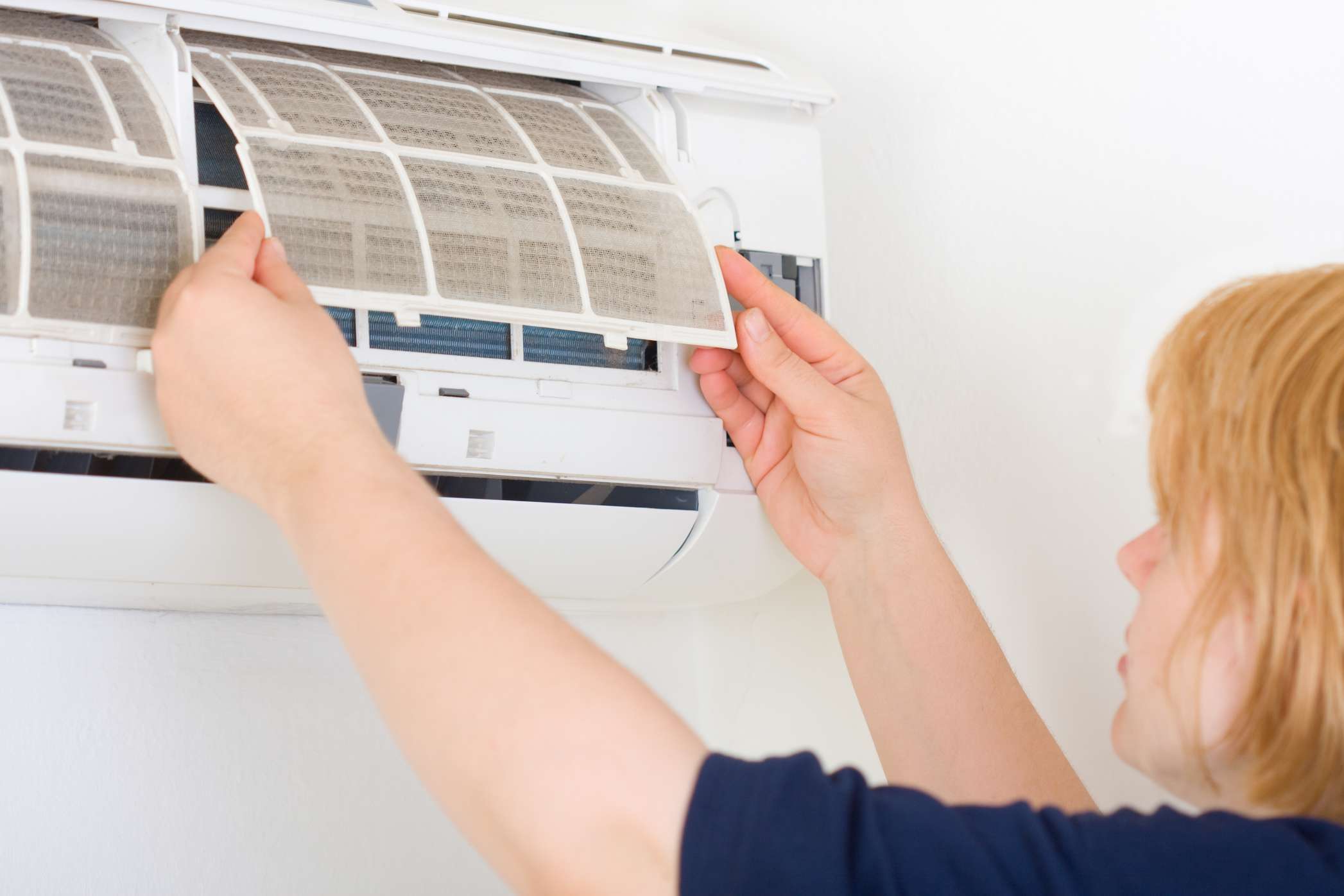
In addition to having an HVAC technician check your heating system, it is important to regularly change the filters in your heating and air conditioning system. Changing or cleaning filters will improve the air quality of your home and reduce the wear and tear on your furnace.

4. Clean and Reverse Ceiling Fans

ceiling fan

powershot/ iStock/ Getty Images Plus

If the ceiling fans in your home have been running all summer, it's time to turn them off and clean the fan. Then, look for a small switch to reverse the blades so that the heated air will be redirected in a downward flow to keep you warmer during chilly days.

5. Deep Clean Throughout the House
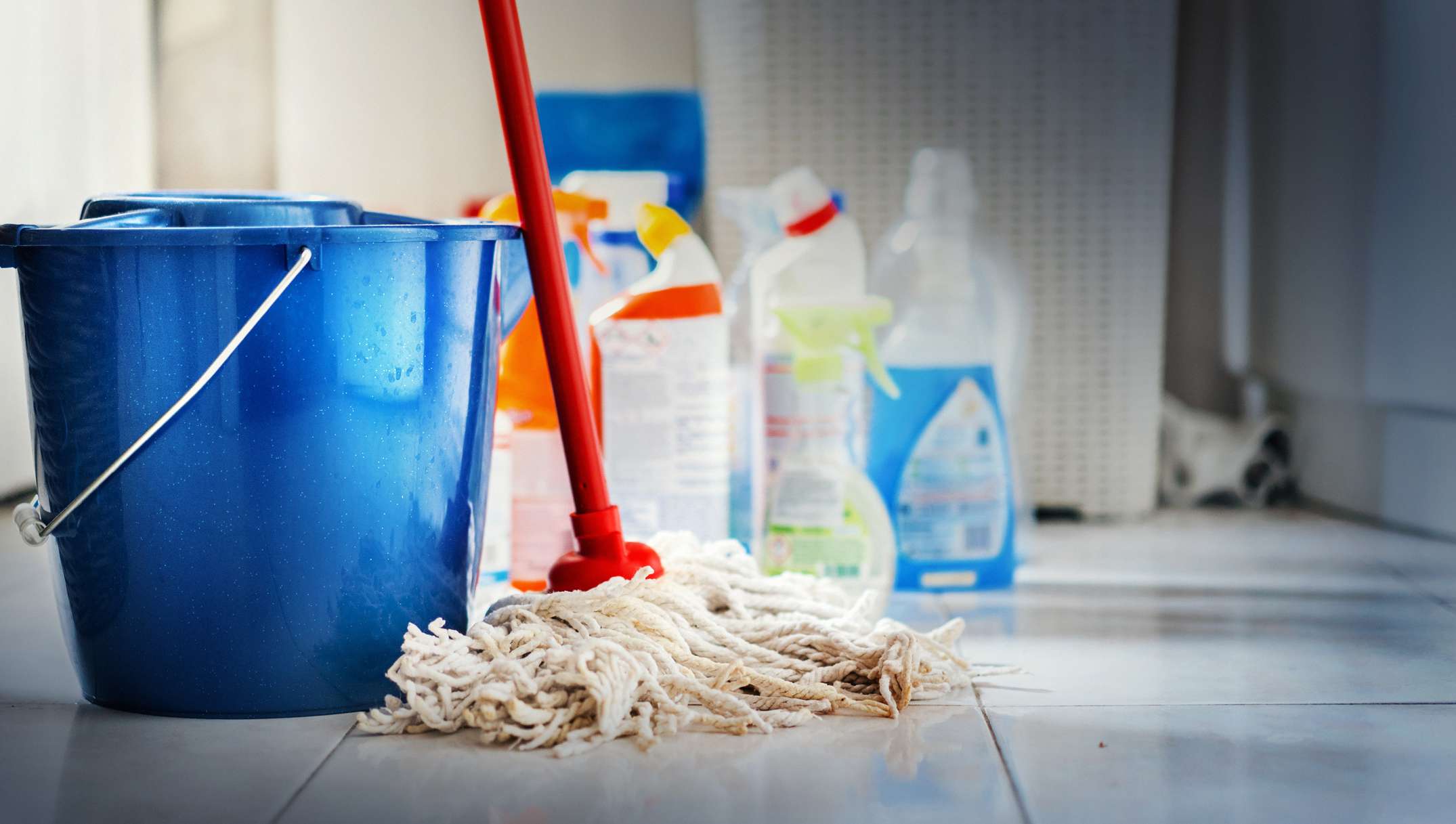
mop pale and cleaning supplies

gilaxia/ iStock/ Getty Images

If you've taken it easy during the summer and only gotten rid of the most visible grime, it's time to do a deeper cleaning including those places that you have been forgetting to clean including your cleaning tools. As you move through the rooms in your home, follow a checklist to make sure everything gets the attention it needs.

6. In the Bedroom
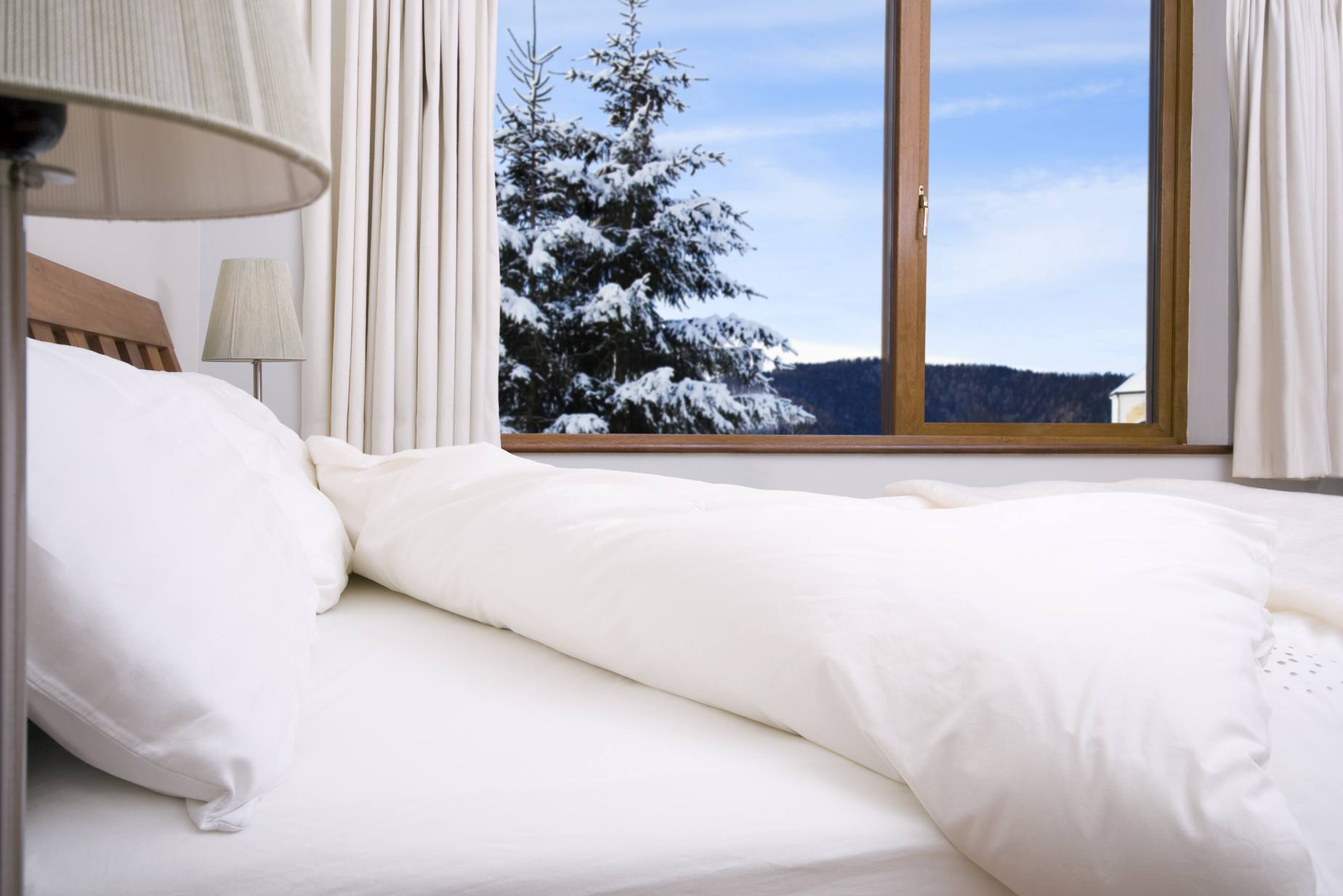
bedroom linens pillows

Oktay Ortakcioglu/ E+/ Getty Images

7. Store Summer Clothes and Inspect Winter Wardrobes

clothes on hangers

I_rinka/ iStock/ Getty Images Plus

While you're cleaning the bedrooms, don't forget your closet and summer clothes. Empty each clothes closet and sort summer clothes before storing them away. Choose clothes that you want to store until next year to be laundered or dry cleaned. The rest should be sold, donated or discarded. 

While the closet is empty, check that no harmful pests that can ruin clothes are lurking by vacuuming it out well.

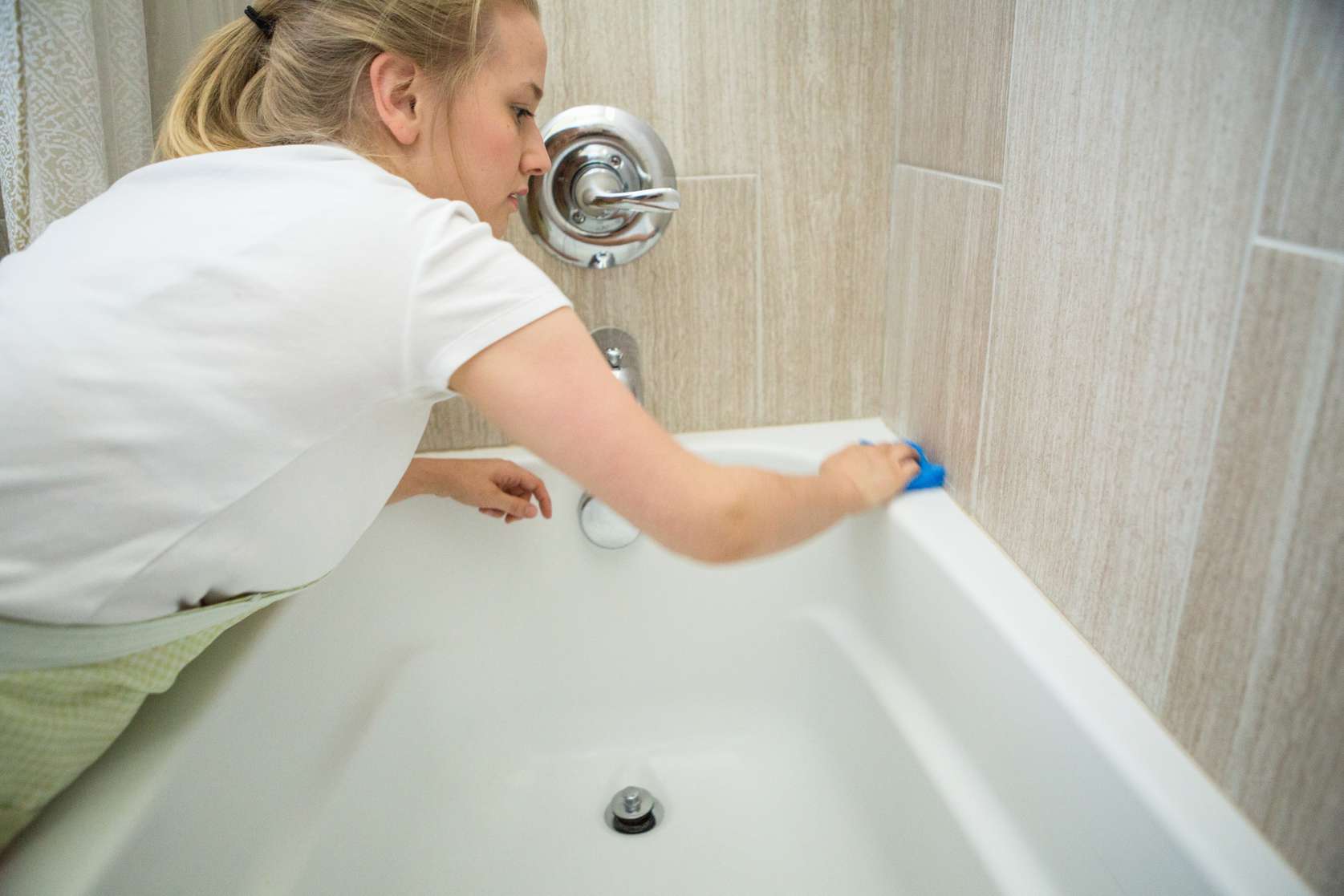
8. In the Bathroom

bathtub

Remove Soap Scum in Bathroom. hesh photo / Getty Images

9. In the Living Room

lady vacuuming floor

South_agency/ E+/ Getty Images

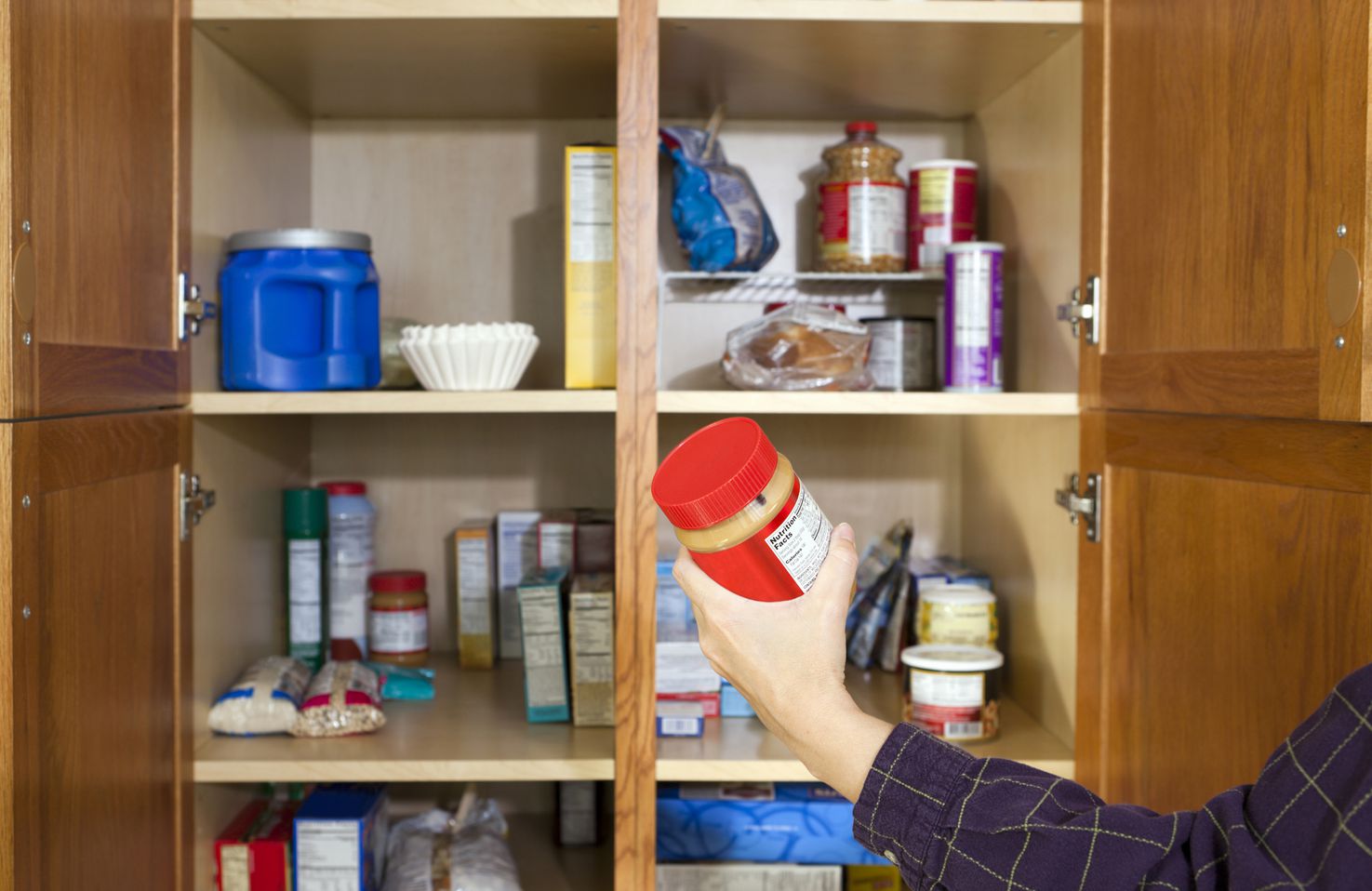
10. In the Kitchen

kitchen cabinet

Jul Nicholes/ E+/ Getty Images

  • Empty and clean the pantry. Make a list of holiday baking supplies that you will need.

  • Clean the oven and vent hood.

  • Clean the refrigerator and freezer and discard unusable items. Dust and clean the refrigerator coils.

  • Inspect and clean small appliances.

8 Ways to Make a Space Feel Larger

  • By
  • Posted

Feeling cramped at home? These tips can help open up a room without knocking down a wall.

  • Accentuate the vertical. Draw the eye upward so a room looks more spacious. Add a bookshelf that reaches to the ceiling. Install vertical shiplap or wallpaper with vertical stripes. Hang a pendant light fixture.

  • Consider “see-through” furniture. Choose chairs and sofas with visible legs instead of furniture with skirts that reach the floor. This allows you to see under and around pieces so they appear to float in the room rather than dominate it. Glass coffee tables are a good choice, too.

  • Lighten up surroundings. We all know white walls reflect light and makes a room look bigger. But why stop there? HouseLogic recommends painting walls, ceilings, and trim the same shade of white to present a soaring, bright space.

  • Go big with accents. Many people think small when designing a small room. Instead, add a couple of oversized accessories, like a big piece of art or a single large chair. A lot of little objects make a room appear cluttered while one or two big ones make it feel more spacious.

  • Get away from the wall. Create a central layout instead of pushing a sofa up against the wall. When there’s a wall right next to a piece of furniture, your eyes are drawn to the wall, which can make the room seem more cramped.

  • Simplify the color scheme. Use a monochromatic color scheme for walls, furniture, and accessories. When objects are a similar color, your eye doesn’t dwell on each one but rather sees them in a unified, uncomplicated form.

  • Skip the curtains. Curtains block natural light and the view to the outdoors, making a room feel smaller and darker.

  • Bring nature indoors. Add plants and use natural textures in furniture to tie indoor decor to the outdoor view that’s visible through the windows that aren’t blocked by curtains.


Sources: Denise Balassi, Spaces Of Distinction; Laura Britt, Britt Design Group; Melissa Grove, Laura U Interior Design; HouseLogic.com


9 Ways To Make Your Outdoor Space Usable Year-Round

  • By
  • Posted

As the coronavirus hangs on into the fall season, having outdoor space is proving more valuable than ever. But now that cooler weather is on the way, stretching out the life of your porch, backyard, or balcony is the next smart step.

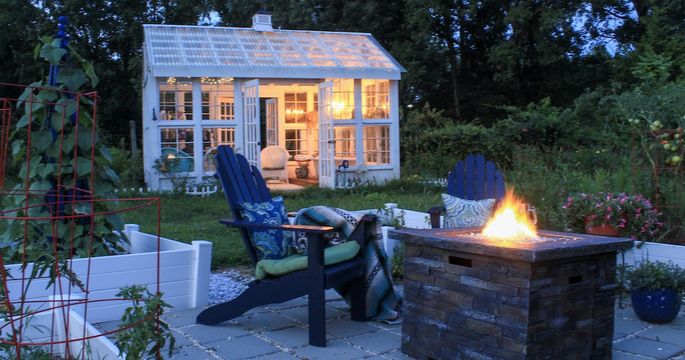
Patio with fire pit and shed

By 

To warm up your outside rooms, try these 9 ideas to retrofit your yard or patio for the cooler fall season.

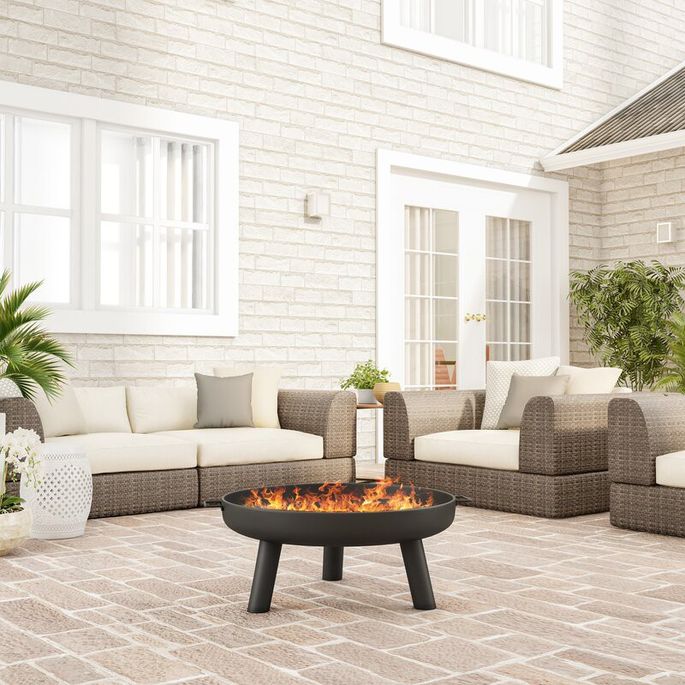
1. Fire pit

patio and fire pit

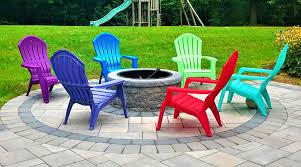
If you don't have an outdoor fireplace or fire pit already, now would be a great time to add this to your outdoor living space! Choose the best option for your space based on your budget and the square footage in your yard. 

2. Heat lamps

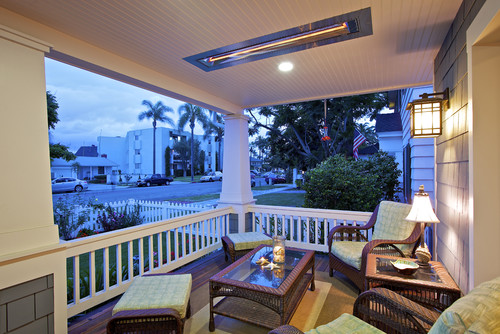
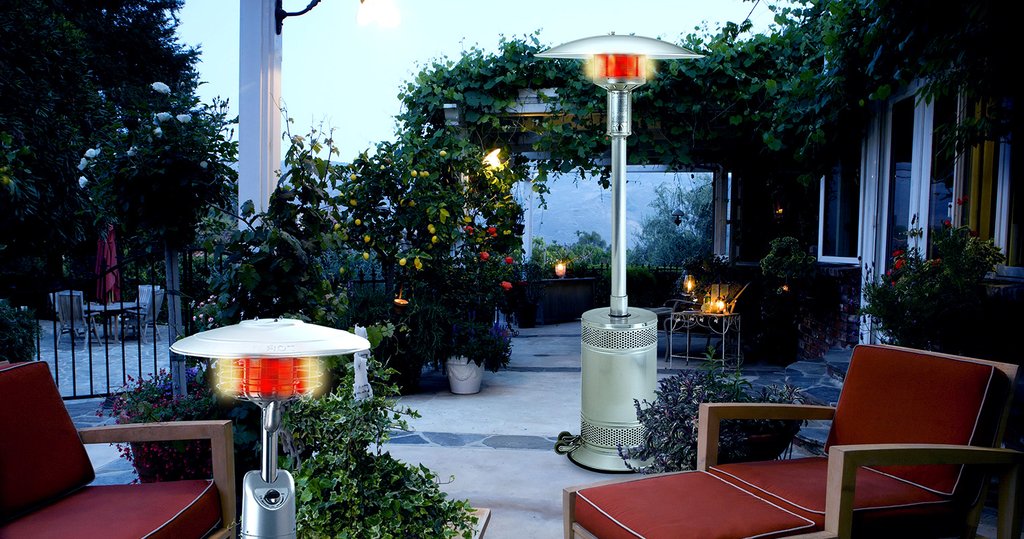
infrared heating lamp in ceiling  standing propane or electric heating lamps

Photo by Christian Rice Architects, Inc.

Make like a European sidewalk cafe and set up standing propane or electric heat lamps. Or consider installing an infrared heating device in your porch ceiling. These are a step up from traditional gas options and much sleeker and safer—and streamlined models can be inserted so that they heat a person directly, not the elements around them.

Consider a patio heat lamp that takes just a screwdriver to assemble, has a no-tip base, and heats up in mere seconds.

For maximum coziness, you can even find heated furniture.

There are outdoor selections that can be plugged in to keep you warm as you stargaze from your backyard.

3. Plush cushions and blankets

plush cushions and blankets

Photo by Eden Clark of VEDA Design Group

No one wants to sit on cold, wrought-iron or plastic deck chairs when the weather turns chilly, so be sure seat cushions and outdoor pillows are thick enough for the season. And a basket full of warm throws is another cozy touch if your guests (due to COVID-19) don't bring their own with them.

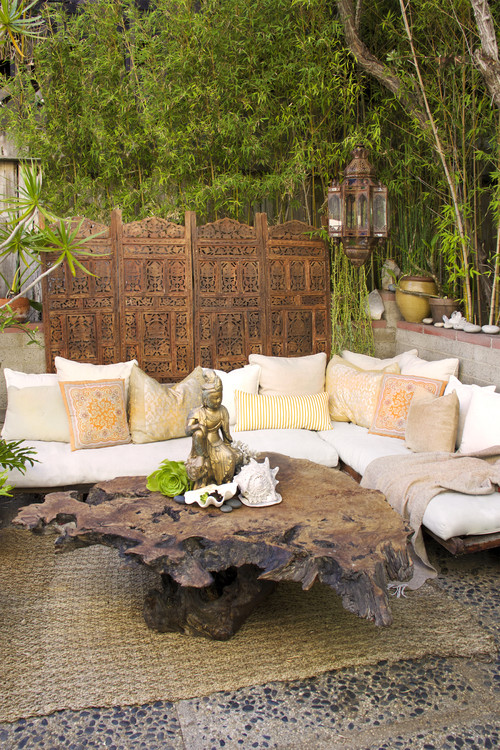
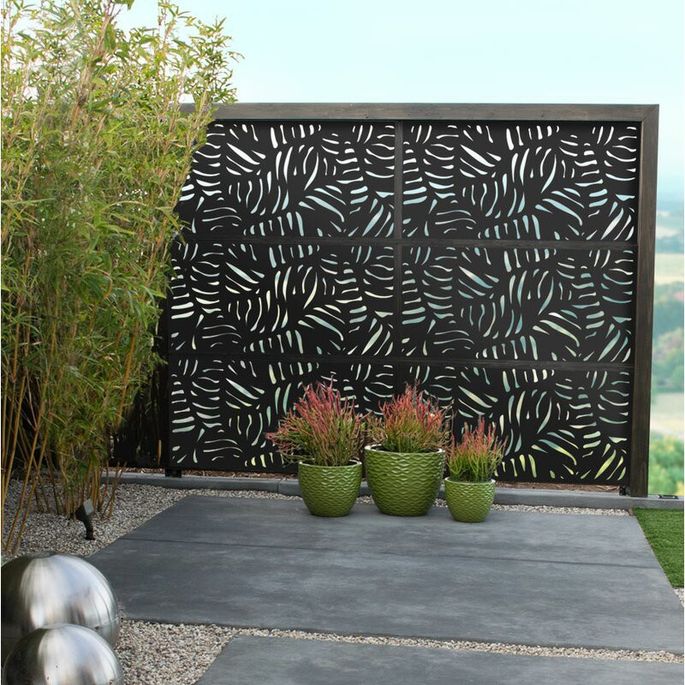
4. Privacy screen

Privacy screen for patio

Blocking the wind in cooler weather is easy enough with the addition of a wooden wall or screen. Or consider latticework, a cheaper pick that can also surround or partly enclose a patio or one side of a balcony.

5. Curtained pergola

Curtained pergola

Photo by Baker Patios

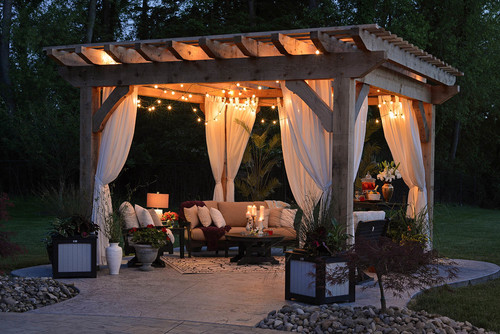
A pergola or gazebo is another upgrade that can take your outdoor space from summer to fall, especially if you add curtains that can be drawn when the temperatures dip.

6. Small cooktop

Patio cooktop and chairs

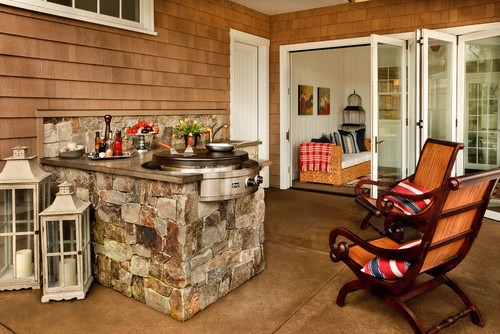
While a full outdoor kitchen may not be in the budget, setting up a grill or small cooktop may be doable. Also, there are free-standing countertop and sink combos available for under $500.

You might also redo an outdoor bar cart to signal fall and cooler temps (think mugs for tea, a jar of cinnamon sticks for warm cider, and brown spirits for Manhattans and hot toddies).

7. All-weather rugs

All-weather rugs

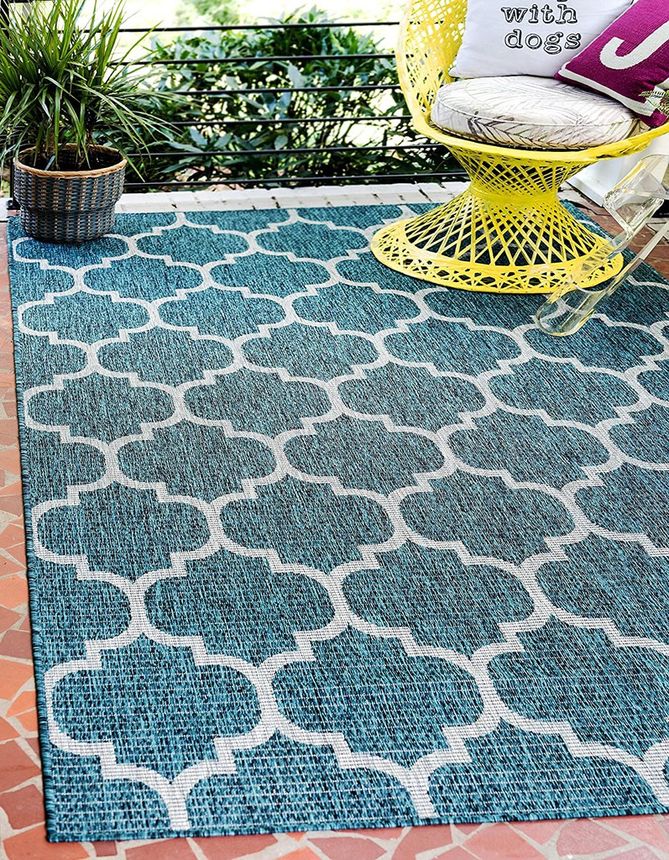
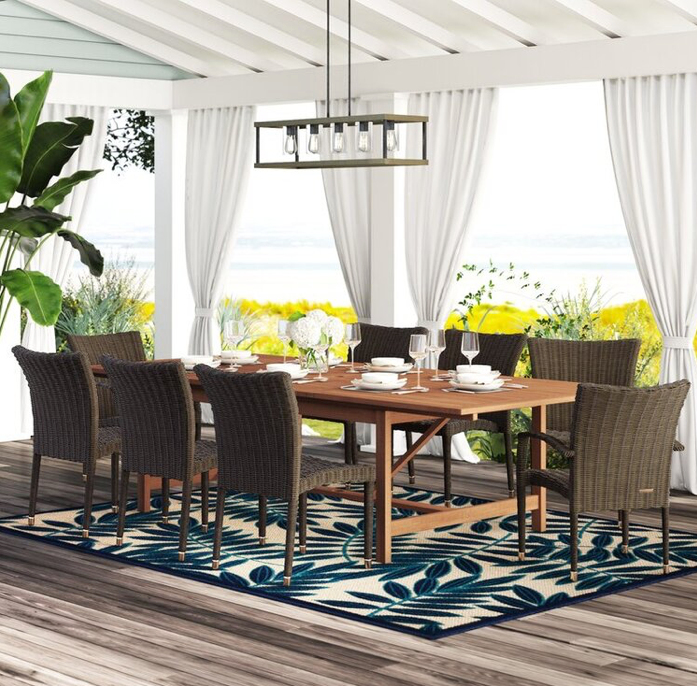
To keep your feet toasty, add a layer underfoot to warm an outdoor space. All-weather rugs can stand up to the elements, particularly those made from polypropylene. Just keep in mind that carpet with a thick pile won't work on a deck or patio.

The Moroccan pattern on this all-weather rug is the exact pop of color you need on a typical all-brown patio or deck. Be sure to use a nonslip rug pad underneath to prevent shifting, and rotate this carpet so any color loss over time is evenly distributed.

8. Extra lighting

Outdoor lighting

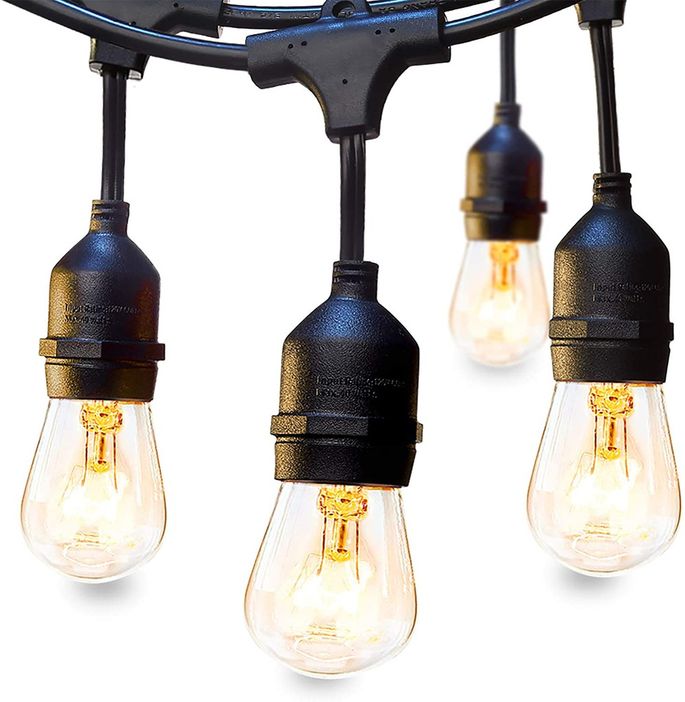
Candles and outdoor lamps won't add warmth per se, but the ambiance they offer is enough to keep the chill away. You can't really overdo outdoor lighting, so go a little nuts with twinkling lights wrapped around pillars, glowing lanterns that act as side tables, Mason jars with tea lights suspended from above, and Tiki torches placed strategically in the yard.

For vintage flair on your deck, perhaps use Edison bulbs. And the setup's a breeze since each light has an individual hook attached so you can quickly hang the lights with nails or hooks.

9. Small shed

Versatile Sheds

Photo by Equity Northwest Real Estate Meridian

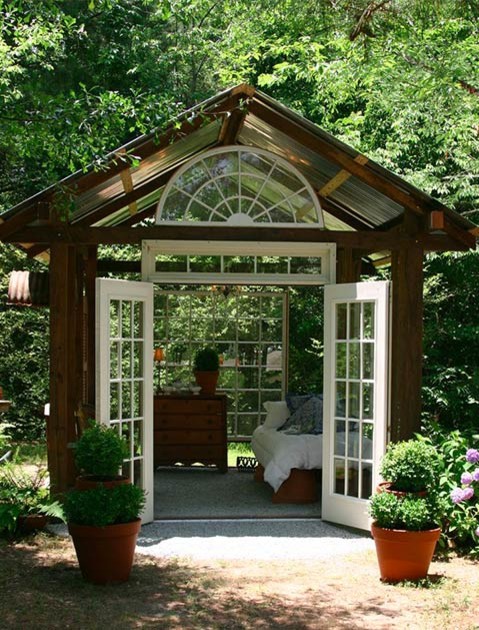
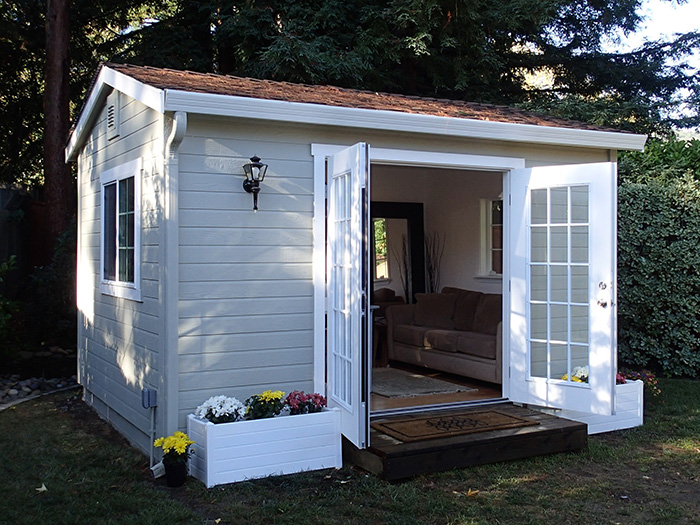
Want to splurge on a real structure? Studio sheds have become all the rage of late, and they're very versatile. Warm up in a she shed for some me time or use it as an office, homework space, crafting spot, or meditation area.


5 Projects to Increase Your Home's Resale Value

  • By
  • Posted

Small improvements can make a big impression on potential buyers.

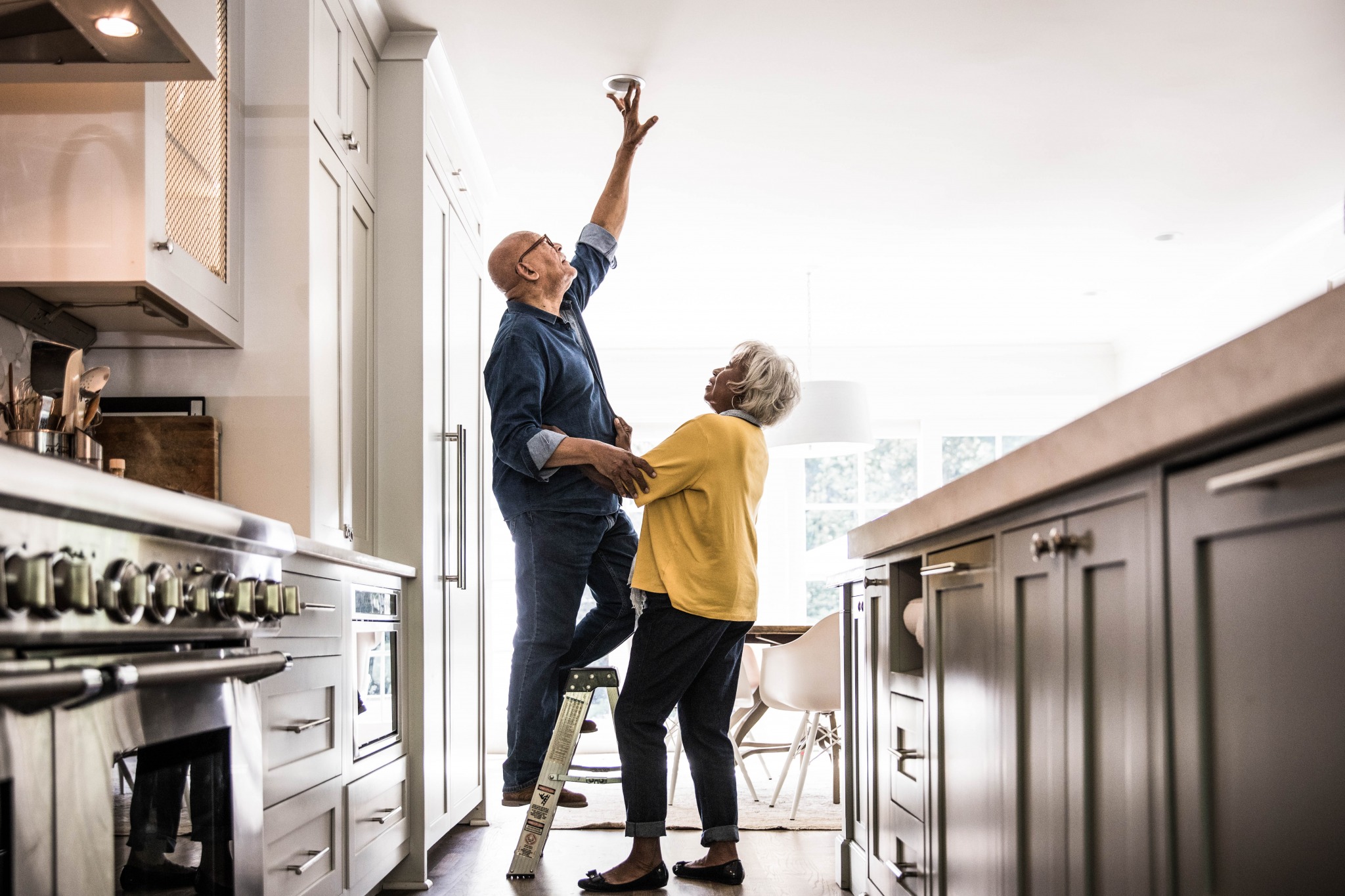
man and woman installing light bulb

Sep 15 2020

Courtesy of Zillow

Not surprisingly, a recent Zillow survey¹ found that most people — 81% — reported spending more time at home this year compared to the same time last year. Some of us might be feeling a little stir-crazy, but others are taking the opportunity to tackle home improvement projects. You may decide to change up your space for your personal enjoyment or comfort, but if you’re a homeowner looking to sell, it’s worth considering which projects will not only look good but offer the best return for your time and effort.

Zillow partnered with Thumbtack to determine the average costs of a few common improvements sellers make before listing their home for sale. By better understanding the costs, you can decide whether it’s worthwhile to DIY or call in a pro. 

Whatever route you take, a few well-chosen updates could improve your home’s appeal and value. Zillow data finds homeowners who make at least one improvement are more likely to sell their home above their list price than those who don’t make any improvements: 23% vs. 17%, respectively.² With sale prices climbing and homes selling at their fastest pace in more than two years, this may be a good time for would-be sellers to start prepping their homes for listing.  

“There are small things anyone can do to present their home in a better light,” said Sue Cohn Darmon, a Zillow Premier Agent in Connecticut with William Pitt Sotheby’s International Realty. “First impressions go a long way, especially since buyers are now spending more time searching online for homes. Listing photos are going to look better if the home appears well-maintained. If the small things are taken care of, the assumption is that the bigger things that aren’t visible have been taken care of too.”

Here are five DIY projects recommended by agents that could help increase your home’s value.

Upgrade your lights

Good lighting can bring out the best in your home. Updating old fixtures and adding dimmer switches are fairly simple upgrades. You could also consider replacing your fixtures with smart lights controlled by an app, which can help you save on your energy bill and sell your home faster. Zillow research finds homes mentioning smart lights in their listing description sold seven days faster than expected.

Here’s a DIY guide to changing a light fixture, or if you want a professional installer to do the job, Thumbtack finds the average cost is $380.

Replace your faucets

Whether your look is modern or traditional, a new faucet can enhance the style of your bathroom or kitchen. Make it a touchless faucet for added appeal, as COVID-era buyers increasingly look for smart features that will keep their homes germ-free.

With attention to detail and a tolerance for tight spaces, you can handle this job yourself, but if you’d rather leave the under-sink contortions to a pro, Thumbtack finds, on average, you can expect to pay $205 to replace bathroom fixtures.

Landscape smartly

A desire for more outdoor space is the top reason people say they would consider moving as a result of social distancing recommendations, according to a Harris Poll survey conducted for Zillow.³ There’s no better time to spruce up your yard and create the functional, beautiful outdoor space buyers want.

If you don’t like getting your hands dirty (literally), expect to pay $2,600 on average, according to Thumbtack, for a professional landscaping business to clean up your yard, which typically covers mowing, pruning, weeding, planting new flowers or shrubs, and adding new soil, mulch or bark dust. Zillow research found homes mentioning landscaping in their listing description can sell for 2.7 percent more than expected, so depending on the value of your home, it could be a worthwhile investment.

Add a fire pit

Now that you have a nicely landscaped yard, go one step further and install a fire pit to create a family-friendly backyard hangout. Listings mentioning a fire pit can sell for 2.8 percent more than similar homes, according to Zillow research. Interestingly, that sale premium is higher than homes mentioning an outdoor fireplace or a chimenea. An added bonus: This is a DIY the whole family can help with

Paint your front door (and more)

A freshly painted front door can boost your curb appeal, and if you’re thinking about selling, you may be surprised by the winning color when it comes to ROI: Homes with black front doors can sell for up to $6,000 more than similar homes, according to Zillow research.

If it’s in your budget, consider painting the whole exterior (probably not black, though!) to create a great first impression. In a survey of Zillow Premier Agents, 77% recommended sellers paint their home.4 Thumbtack finds the average cost of exterior painting is $2,535.


1. Zillow Group Population Science Survey on Time Spent at Home, conducted 7/16/2020 – 7/21/2020
2. Zillow Group Consumer Housing Trends Report 2019
3. This survey was conducted online within the United States by The Harris Poll on behalf of Zillow from May 4-6, 2020 among 2,065 U.S. adults ages 18 and older. This online survey is not based on a probability sample and therefore no estimate of theoretical sampling error can be calculated. For complete survey methodology, including weighting variables and subgroup sample sizes, please contact press@zillow.com.
4. Zillow Group partnered with independent market research and data analytics firm YouGov® to conduct a nationally representative, online quantitative survey that gathered information from 1000 sellers that sold a home in the past 6 months and 500 residential real estate agents. For more information visit zillow.com/report


4 Easy Ways to Save Energy and Money in Your Home

  • By
  • Posted

You have the necessary appliances like a refrigerator, stove, or microwave, and now you’re wondering what you can do to make your house more energy efficient. Here are some great pieces of technology that can make your house eco-friendly and even save you a few hundred dollars each year. Let’s take a look at a few of them!

led lights

By Jeremy Atkins, Rocket Homes Real Estate LLC


1. Smart Power Outlets

There are two main types of power outlets out there. One is a “connected” outlet and the other is an energy saving outlet. Connected outlets sync to your Wi-Fi network allowing you to control the power output to appliances remotely. Leave a fan on while at work? No need to let it run all day – just hop on your phone and turn it off. These are usually in the $25-$60 range depending on the unit.

Energy saving outlets go a step further by turning the outlet off completely. Kind of like flipping a switch on a circuit breaker. This saves you from the dreaded “vampire power” which is when a plugged-in device uses electricity, even when it’s turned off. These are a great way to keep your energy usage down and even save upwards of a $150-$400 per year. Energy saving outlets, like these, can be found for around $6-$25.

Energy saving outlets, like these, can be found for around $6-25.

2. Smart Thermostats

For someone like me who loves tech, smart thermostats are amazing. They connect to your Wi-Fi network and your furnace. Over the course of a week or two, they learn your schedule and heat up or cool your house down automatically right before you get home. They also adjust for when you leave. This is another boon for us forgetful folks. I can hear Ron Popeil now “Set it…and forget it!”

Most smart thermostats can be controlled remotely and allow for scheduling via an app or on the device. They’re easy to use and will help you save an average of $145 a year. The main players in this market are Ecobee, Nest, and Honeywell and they range from $170-$250.

3. LED & Smart Lights

Not as rare or expensive as they used to be, LED lights are a pretty amazing way to reduce your carbon footprint. A basic, 60-watt equivalent LED light bulb will use 10-15% of the energy needed of an incandescent bulb. They even give off less heat, which will help with your air conditioning bill in the summer too. You can find them for as little as $3 and they go up from there.

This wouldn’t be a “tech” article if I just talked about regular old LED lights. Good thing there are smart lights! I bought some Philips Hue lights a few months ago and they are awesome. I have them set to turn on at sunset because my wife is usually home then. Today, she has a meeting and isn’t home yet so I just went into to the app on my phone and turned them off. I even have them programmed to turn off at 8 am every morning just in case my wife or I forget to turn them off. Some versions can even allow you to adjust the color and sync them to music! Unfortunately, these can be pretty expensive at around $50 per bulb but could save you around $2-$4 per year.

4. Dual-Flush Toilet

Traditional toilets use more water than we usually need when we flush. That’s where dual-flush toilets come in. These unique thrones have a light flush option which, depending on the toilet/kit, uses a half-gallon less water per flush than a full-flush version. If you need more…ahem…flushing power, use the full flush mode and it’s business as usual. There are multiple manufacturers that sell toilets with this capability and you can even find kits online to convert your regular toilet to a dual flush. With these upgrades, you can save around $200 per year in water savings depending on the size of your household.

I’m always on the lookout for ways to help me save money and green tech has certainly helped. I’m thrilled to have made some of these energy efficient upgrades and I can’t wait to add more. Whether it’s a simple replacement LED light, new smart thermostat, or a dual flush toilet, you too can make your home more energy efficient and even save some cash.


Jeremy Atkins: Writer, Rocket Homes

Top Eco-Friendly Home Features Most Homeowners Want

  • By
  • Posted

With climate risks rising, an increasing number of homeowners are trying to do their part to improve the environment by investing in green and sustainable products and systems. Following are the top eco-friendly features most homeowners want in their homes.

Solar panels on roof

Content sponsor Quicken Loans for REALTOR Magazine reveals the energy-saving products most in demand right now.


By Rachel Burris

What Are Eco Homes?

Eco homes are designed to promote greener lifestyles by minimizing the greenhouse gases they emit into the atmosphere. These homes reduce their environmental impact by including sustainable materials and technologies that reduce homeowners' energy and water needs.

Each of the following eco-friendly home features helps limit the waste produced by households. 

energy star

  • Energy Star-rated appliances. Homes with high-efficiency appliances are in demand because they offer enhanced performance with reduced energy usage. Not only do Energy Star-rated appliances lower homeowners’ carbon footprint, but they also look good and reduce utility costs.

              Programmable thermostat

  • Programmable thermostats. Homes with older HVAC systems are wasteful and costly because they pump hot and cold air throughout the home without regard to when and where it’s needed. Conversely, programmable thermostats provide homeowners with increased control over their climates.

           Radiant floor heating

  • Radiant floor heating. With heat directly transferring from the ground to the individuals standing on it, radiant heating uses much less energy than traditional heating methods. Commonly found in luxury bathrooms, radiant heating requires electric coils or water tubing to be installed under the floors. It’s pricey to install, but this technology ultimately contributes to lower energy expenses.

           Man installing solar panels

  • Solar panels. Instead of relying on the utility company to provide electricity, homeowners' are interested in generating clean energy themselves. Now that capturing the sun’s power is far more affordable, everyone's looking to deck their homes out with solar panels.

           Wood  Cermanic tile

  • Recycled materials. Building and finishing homes with recycled materials is a trend that’s on the rise. Producing new materials depletes many natural resources, so reusing them eliminates waste and diminishes the environmental impact. Reclaimed materials, like barn wood and recycled quartz, also are more affordable and can furnish homes with striking textures.

             Geothermal systems

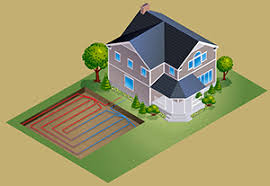
  • Geothermal systems. “Geothermal systems use the ground’s relatively cool temperature to cool a home in the summer and relatively warmer temperature to heat homes in the winter,” says Chris Fisher, manager of solar product development and marketing at CertainTeed. “They’re eco-friendly because they can displace heating loads, which currently rely on the burning of fossil fuels to produce heat.” While this method is more efficient than traditional HVAC systems, it’s also more expensive to install. Since it regulates temperatures by transferring heat from the earth into your home, installation requires extensive drilling.

The Benefits Of Eco Homes

With their environmental and financial advantages, it’s no wonder everyone's seeking eco homes. The benefit of homes with eco-friendly features are they're highly coveted, so they’re likely to sell faster and possess a higher resale value in the future.


Rachel Burris is a writer for Quicken Loans’ Publishing House, covering topics of interest to present and future homeowners, as well as industry insiders.


5 Best Trees For Privacy That Grow Fast

  • By
  • Posted

A sprawling backyard can be a great place to spend quality time with your family, or quietly relax alone away from the distractions of gadgets in the house like TV’s blaring and radios. Spending time outside can do wonders and you get to enjoy the natural scenery outside.


By Kevin Piol, Gardeners' Guide

Some homeowners rarely use their yards because it can feel too open, especially for neighborhoods with large multistorey houses. Fences can be expensive to construct and to maintain especially when it is getting old. The cost of repairing fences regularly can be costly, that’s why most homes opt for planting trees to save money while also getting one of its benefits.

How Trees Help Protect Your Privacy

Planting trees in your yard provides many benefits to your house. Trees also greatly improve the look and feel as well as the atmosphere of the surroundings. They can also help to block off the noise and replace them with a natural sound of rustling leaves. It can also help to regulate the temperature of your house by blocking the searing heat of the sun during hot summer or act as windbreakers to protect your house from strong winds.

Most importantly, trees are great for the environment and can help to stabilize the soil. The trees can also prevent soil erosion as well as provide nesting grounds for birds and other animals. Apart from the long list of benefits that trees provide to your house, it can also help to improve the privacy of your property by covering your yard with their branches and leaves. Trees also provide shade and make your yard beautiful and cozy.

Things to Consider When Planting Privacy Trees

Planting trees may be as straight forward as digging a hole in the ground. To avoid inadvertently damaging your own house, you need to consider several factors like how big a tree can grow, and how the seasons can affect the tree.

The Amount of Privacy You Need

Trees grow differently and when they fully mature, it will have a different height and width so it is important to know in advance the degree of privacy you need to find the perfect tree that fits your requirement. You also need to consider your privacy screen height relative to your house to avoid crowding your backyard.

The Size of Your Yard

Another important consideration before choosing a type of tree is the size of your yard. Trees need space to grow and if there is not enough space, their growth could be skewed and they won’t be able to screen your house properly. You also need to consider how the tree’s roots can affect parts of your property like pavement.

The Amount of Time You Have for Maintenance

Trees and shrubs may be easier to maintain compared to fences, but they still require love and care to grow properly and to fully mature. Trees require trimming so they won’t grow the wrong way and shrubs need pruning to keep them neat and orderly appearance.

Below is a list of the best trees for privacy that you can plant with minimal care and maintenance. These trees also minimize the disruption of your existing landscape. They are very popular in suburban homes and even in the middle of bustling cities.

Green Giant Thuja (Arborvitae)

Giant Arborvitae in yard

source: flickr.com/photos/lorenkerns/7230624714

This type of tree is perfect for medium-sized yards. It can also be used to substitute or complement existing fence lines. This type of tree can grow relatively fast compared to other privacy trees. This tree can grow up to 30 or 40 feet.


Emerald Green Thuja (Arborvitae)

Midsize Arborvitae in yard

source: plantingtree.com

The second candidate of our best trees for privacy is the Emerald Green Thuja. This tree is a slightly smaller variant of the popular Green Giant Thuja and is perfect for small yards. They grow at a modest rate of 6 to 9 inches per year which makes them easy to maintain and trim. The Emerald Green Thuja can reach a height of 12 to 14 feet perfect for blocking off street noise and to make them as your fence.


Leyland Cypress

Cypress in yard

source: revolutionary gardens.com

Another one is the Leyland Cypress. This tree is perfect to substitute traditional fences or complement existing fence lines. The Leyland Cypress acts as a perfect wall to block street noise and prevent neighbors from invading the privacy of your yard. This tree can grow 3 to 5 feet a year and reach a height of 40 to 60 feet.


Wax Myrtle

Wax Myrtle along street

source: pinterest.com/pin/323062973251694329

The Wax Myrtle is the best option for homeowners who have small yards yet want a hedge as a fence line. This tree has very dense foliage and can definitely act as a fence to protect your home’s privacy. It can grow up to 6-12 feet and grows at a rate of 12 to 18 inches a year which makes it easy to prune and to maintain.


Eastern Red Cedar

Eastern Red Cedar

source: mysanantonio.com

The Eastern Red Cedar is a great choice for homeowners who wants a tree that provides a full-coverage of privacy because of its thick and wide foliage. This tree is a coniferous evergreen that can grow from 16 to 66 feet with a growth rate of 1 to 2 feet a year.

Conclusion

Planting Privacy Trees is an eco-friendly solution for protecting your home’s privacy and property. 

5 Budget-Friendly Ideas to Transform a Home's Style

  • By
  • Posted

It can be an extremely expensive endeavor to redesign a home. If resources are limited, don’t be discouraged. Consider ways you can use what is already in the home to enhance the look and cut down on costs. Bringing in just a few essential items can change the tone of a space and have a big impact. Here are some ideas.

 Architect, Monica Gibson offers up tips to create a more inviting space.

1. Add indoor plants

Adding plants in your living space is one of the easiest and best ways to transform your home. Plants usher in natural beauty and color to any room in the most affordable way. Regardless of the space you have, growing indoor plants is ideal for any room.

Try different ways of placing them to change the look of rooms. If you have less space, hang plants or place them on floating shelves. You also can use plants on the floor where space is available.

Do not let lack of natural light keep you from transforming your home with indoor plants. Invest in reliable grow lights to provide lighting to your plants. You now have a solution for brightening that boring corner in your living room.

2. Repaint the walls

Photo credit: Dunn-Edwards (paint color: Minty Fresh)

Another way to instantly transform your home on a budget is by adding a fresh coat of paint to the walls. You can decide to use the existing hue, or you can change it to a different shade for a fresher look. The latter, however, would mean changing a few accessories in the home to create a balanced feeling. Need some color inspiration? Take a look at 2020’s hottest paint colors

3. Swap Out window treatments

Many people underestimate the effect window treatments can have on a room. The color, texture, and fabric—and even how treatments are placed—can have a huge impact on the overall look of any room. Therefore, changing window treatments can transform a space without having to spend a fortune.

Consider creating an illusion of a high ceiling by raising the window panels to the top of walls. Opt for materials such as cotton, linen, and silk to add greater elegance to the windows. If you prefer having blinds, wood and woven bamboo always make for a great choice.

4. Replace the pillows

Another underestimated way to greatly make your home more elegant: pillows—lots of them. Pillows can bring life to your living space. They also offer extra support on the sofa.

Consider replacing your old pillows and throw pillows for fuller ones. When it comes to throw pillows, experiment with colors and textures. If they are not worn out, just replace the covers with ones that have different colors and textures. Get more tips on using pillows in your staging.

5. Use wall hangings

A budget-friendly alternative to repainting the walls is to use wall hangings. Invest in unique art pieces, or have some customized. You can even add a painting that you made yourself to create a more personalized feel. Family portraits also make a great choice when it comes to wall hangings. But keep in mind that home stagers will often advise removing any personal photos prior to selling a home.

6. Get rid of old furniture

That old, ugly chair that you are holding on to for sentimental value is the undoing in your living room. You don’t want furniture that looks worn. Don’t worry about the cost of replacing it. Instead, take advantage of the empty space to rearrange the rest of the furniture for a fresh look.

Alternatively, find an affordable replacement in second-hand shops. You can always change the upholstery to have it match the rest of your furniture.

Take heart: There’s an endless list of design ideas to achieve a luxurious effect without breaking the bank. Keep in mind that labor costs are usually the biggest expense. If you eliminate that cost by doing more work yourself, you can find more savings. Also, be strategic by just replacing a few key items.

Avoid a complete redesign. Instead, change little pieces; it can go a long way.

ABOUT THE AUTHOR: Monica Gibson is an architect, with a degree in architecture. She has eight-plus years of experience in interior and exterior design. Her mission is to inspire others to live their dreams and create their perfect sweet home. Lena puts a big effort into working with her clients and tries to help them in the best way she can.


Behr Announces 2021 Color Forecast

  • By
  • Posted

Behr Paint Co. unveiled 21 versatile colors on Monday to make up its Color Trends 2021 Palette. The colors include neutrals mixed with some lavish bolds to create “energizing, yet comforting” focal points in a home, Behr says.


“This has been a year of unpredictability and 2020 has significantly changed our relationship with home,” says Erika Woelfel, vice president of color at Behr. “When our color team began exploring a palette for the coming year, we knew it needed to be grounded in what we’ve been craving: comfort and personalization. A new, ‘elevated’ articulation of ‘comfort’ goes beyond traditional beige, gray, and green hues and embraces color in a way that can redefine and enhance any type of space inside or outside the home.”

Behr says color will play an increasing role in setting a mood for a space, creating a positive atmosphere, and providing a sense of well-being that ensures living and workspaces feel “pleasant, light, and productive.”

The 2021 Behr color palette is organized into six color themes: casual comfort, subtle focus, optimistic view, quiet haven, calm zone, and outdoor escape.

Here’s a breakdown of each theme, according to Behr:

Casual ComfortLight and cozy neutrals offer an updated take on the casual farmhouse look, achievable with warm-toned hues like Almond Wisp PPU5-12  and Sierra N240-4

Optimistic ViewAn eclectic mix of bright, luxe shades evoke a Mediterranean or ’70s glam vibe, featuring festive colors like Saffron Strands PPU6-02 or Kalahari Sunset MQ1-25.

Subtle FocusSoft pastels like Seaside Villa S190-1 and Wishful Green M410-2 are inspired by modern versions of art deco design and styling, surrounding a space in subtle sweetness.

Calm ZoneNurturing blues and greens continue to trend alongside  society’s desire for selfcare and well-being, with colors like Jojoba N390-3 and Voyage PPU13-07 creating calm, restorative spaces.

Quiet HavenDarker, evocative colors are fit for traditional and maximalist décor, with hues like Royal Orchard PPU11-01 and Broadway PPU18-20, creating boldness and balance..

Outdoor EscapeAny shade from the palette can be used to add curb appeal and expand your home’s livable space, whether it’s wrapping a home or targeting those focal points like doors, shutters or trim, you can find the hue that shows off your exterior. 

Behr has teamed with color influencers for a social media campaign called “21 Days, 21 Colors, 21 Projects” that will share DIY projects featuring a color from the palette under the hashtag “#21DaysOfColor.”


Source: Behr

About Behr Paint Company
Founded in 1947, Behr Paint Company is one of the largest manufacturers of paints, primers, decorative finishes, stains and surface preparation products for do-it-yourselfers and professionals in the United States, Canada and Mexico. 

Home Sells in a Mere 12 Hours After Remote Staging

  • By
  • Posted

Remotely staging properties is a growing trend in the pandemic. And the service may stick around even after the health crisis is over, considering the success some stagers are having.

By Melissa Dittmann Tracey

Home stager Francesca Mahoney was able to transform a space without ever stepping foot inside. Francesca along with Creekhill Designs LLC in Holly Springs, NC, did a video staging consultation with sellers in April, and then the home went under contract in just 12 hours. The homeowner emailed pictures of the home to Mahoney, and they met over a FaceTime video call for two hours to stage the 3,000-square-foot property, inside and out.

In the family room, Mahoney honed in on the fireplace in the back corner. She had the sellers move the sofa and pare down the furniture and accessories, which drew eyes to the fireplace first. She also urged the sellers to remove distracting decorative items and accessories, limiting kitchen countertops to only three items.

On curb appeal, she guided them in showcasing the front porch, such as with the addition of rocking chairs, hanging baskets of flowers, a fresh coat of paint on the front door, and a new doormat. “Today’s buyers are very discerning due to HGTV and Pinterest,” Mahoney says. “Getting compelling and beautiful listing photos is always critical, but even more so in our current reality.”

Mahoney plans to continue offering remote staging consultations even after the pandemic. “I have been pleasantly surprised at how effective they are,” Mahoney says.

Before

After

Before

After

Before

After


Melissa Dittmann Tracey is a contributing editor for REALTOR® Magazine


6 Home Trends Buyers Love

  • By
  • Posted

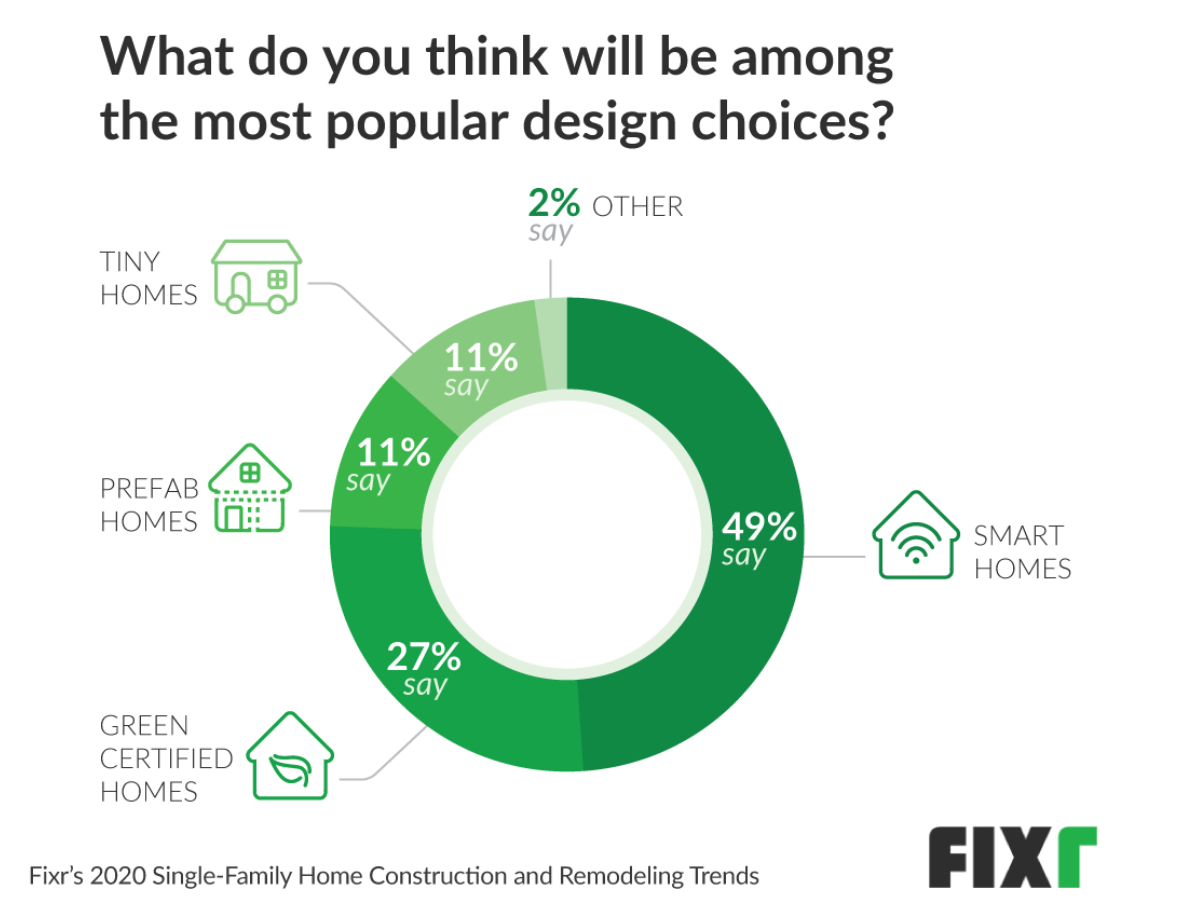
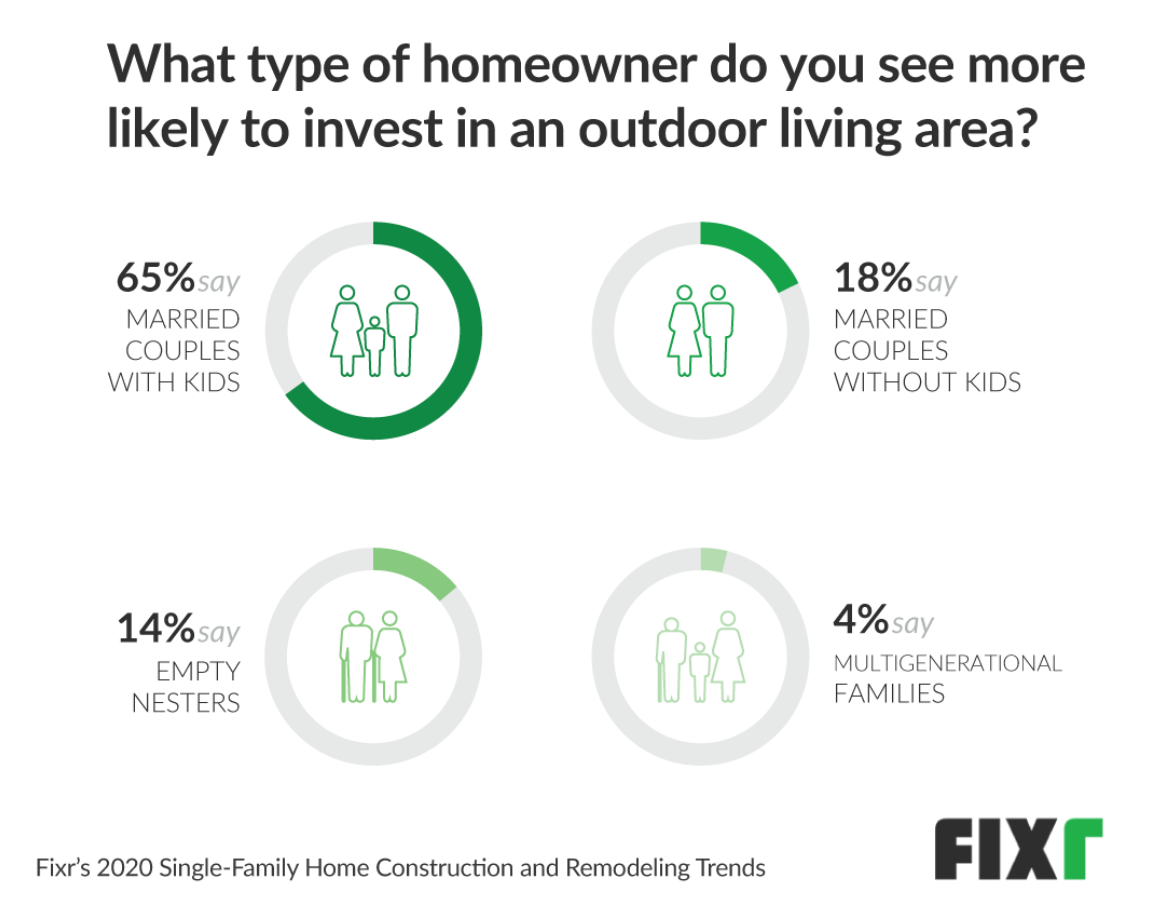
Open floor plans, smart homes, and outdoor areas are among the features in top demand for home shoppers this year. Home improvement website Fixr’s recent study, Single-Family Home Construction and Remodeling Trends 2020, highlights the renovation and construction choices of buyers and homeowners in 2020. The results reveal some key areas of interest in home design.

By Yuka Kato

1. Open floor plan and two-story homes represent the most popular layouts.

While there has been a trend toward open floor plans for the past few years, 2020 is seeing an overwhelming consensus: 90% of experts selected an open floor plan as the most popular single-family layout. And it’s likely to remain so in the future.

As quarantine periods and social distancing guidelines force families to spend more time together at home, large common areas command a premium value. Family rooms, dens, and open kitchen areas are acquiring new importance.

Another large percentage—77%—are favoring two-story houses in 2020. Compare this to the 29% who preferred single-story homes, or the 2% who favor split-level residences.

2. Smart homes rank first among design choices.

A growing trend in home design is the smart home, in which AI-based automation systems are seamlessly incorporated into electric circuits, heating/cooling systems, and entrances. Buyers this year are likely to appreciate homes in which smart thermostats, security cameras, and smart outlets are already installed.

3. Most homeowners make accessibility modifications to their home for future personal use.

Homeowners looking to age in place are exploring renovations that allow them to do so more easily. Homes with accessibility features likely will be more attractive to senior buyers as they look toward a future of independence, even as their physical abilities may decrease. This future need is a motivating factor behind such renovations (54%) than current personal use (11%) or current use for an aging relative (22%).

Buyers also are evaluating potential homes with accessibility modifications in mind. For instance, a front yard with space for a ramp will be more appealing than one with front steps leading directly to the street.

4. Energy efficient homes with tight building envelopes are among the top designs for green construction.

As Americans deal with furloughs, layoffs, and economic uncertainty, many are paying more attention to their energy bills. Energy efficient homes are suddenly much more attractive than conventional properties, and buyers who may not have ever considered green construction are making energy efficiency a priority.

Sixty-two percent of design experts say energy efficient homes are a top priority in 2020, according to Fixr’s study, far outweighing other options like cool roofs or solar panels.

Experts say a tight building envelope—more than exterior or interior insulation—is the most common way to prevent energy seepage. A tight building envelope minimizes air transfer and can be an important feature of an energy efficient and environmentally friendly home. A home with both effective insulation and a tight building envelope will provide the best value to a buyer who desires lower energy bills and minimal heating requirements.

5. Family space and outdoor kitchens are trending in 2020.

Outdoor playsets, firepits, and recreation-oriented yards are seeing an uptick in popularity, especially among married couples with kids. 

This is a 2020 trend that has only been cemented by quarantine rules and social distancing regulations. As playgrounds, parks, and outdoor amusements became unavailable, families were forced to think in terms of what outdoor activities they could offer their children on their own property.

But outdoor living spaces aren’t limited to playgrounds, decks, and patios. Fixr’s research shows that outdoor kitchens were nearly twice as popular as a traditional patio. The outdoor kitchen is another trend that has been steadily increasing over the past few years, and it will be interesting to see how it continues to evolve in 2020 and 2021. New recommendations for socially distant entertaining, which may be better suited for meals and meetings with friends outside, may increase the number of homeowners wanting both outdoor kitchens and seating spaces.

6. Contemporary and modern will be the most common styles used in modular construction.

Modular and prefab construction continues to be widely used, and Millennials are most likely to build modular homes. As part of the Fixr survey, consumers were asked which style of prefab building would be most popular in 2020. A large majority (62%) indicated that a contemporary, modern style would be most commonly selected by home buyers. The runner-up choice was ranch-style—but it was only selected by 22% of respondents.

This year has been in many ways an uncharted year, full of unexpected surprises. But even as priorities have changed, many home buying and renovation trends have remained consistent. 


ABOUT THE AUTHOR: Yuka Kato is an industry analyst at fixr.com, a leading home improvement website dedicated to providing the most accurate cost guides and advice. She writes about interesting trends and insights in the construction and remodeling industry.

How to Attract Birds to Your Yard (Hint: Don't Just Wing It)

  • By
  • Posted

With a little effort, you can build a swanky bird paradise even your fussiest feathered friend will love.

Source: Zillow Feed

While you’re spending time at home, why not find ways to bring the natural world to you? Backyard bird watching is an enjoyable way to experience your local ecosystem up close.

It takes more than a bird feeder to attract a colorful variety of songbirds to your backyard. Think of your feeder as a drive-thru fast-food joint in an unsafe neighborhood: The birds will stop to eat, but they won’t stick around for very long. They want to get home to their comfy nest in an exclusive deciduous broadleaf community, where they can get fancier food anyway.

If you want to see more than bird backsides at a millet buffet, you need to give them all the luxuries they’ve come to expect.

Create a habitat

Birds prefer townhomes to single-level ranch houses. They need perches for preening, thickets for hiding, branches for bickering, wide-open spaces for showing off, and, eventually, a tree cavity where they can nest and paint their nursery a nice robin’s-egg blue.

Give them privacy by planting walls of foliage. Native shrubs, small trees, and even tall grasses and perennials offer the versatility they need to make a quick escape.

Create a ceiling of tall deciduous and evergreen trees at the back of your property, and plant small understory trees between them and your house. Selectively prune lower limbs of shrubs and small trees so you can easily see perching birds from your window. They’ll appreciate the perch, and you’ll appreciate the camera angle.

Grow your own birdseed

Money doesn’t grow on trees, but, conveniently enough, birdseed does! It also grows on shrubs, perennials, grasses, annuals and anything else that qualifies as a plant.

To grow the seed that your local bird species prefer, however, choose the native plants that they’d otherwise find in the wild. Native plants vary by region, but some good choices include coneflower, blanketflower, beautyberry, asters and sunflowers.

Attract hummingbirds with nectar-filled trumpet honeysuckle and cardinal flowers. Native oaks, hollies, dogwoods, sumac, cedars and spruces provide nuts and berries, as well as shelter.

Stage your birdhouse

Research the birds that you’d like to attract, and give them the house that suits their needs. For example, bluebirds like their nesting boxes out in the open, while chickadees like thick leaf cover.

Whichever bird you try to attract, keep that nesting box away from human noise and activity so you’ll never have to witness the heartbreaking sight of abandoned eggs in an empty nest. Also, keep your cat indoors, if possible. Otherwise, you may find birds not only in your backyard but on your front doorstep too.

If birds haven’t moved in yet, be patient. Sometimes all your birdhouse needs is a little lichen, moss, or wear and tear to make it more appealing.

Turn a birdbath into a Jacuzzi

If your birdbath is emptier than a swimming pool in January, there could be a reason. The ideal birdbath doesn’t look like you’d expect — it’s placed directly on the ground in a shady space with nearby shrubs.

Add some gravel to the basin so birds can find their footing, and even add a few rocks on the outside to serve as steps. Include a small pump or fountain, if possible. This turns your birdbath into a miniature water feature, and the circulation keeps the water clean and helps birds cool off on hot days.

Leave the leaf litter

If you’re looking for an excuse to get out of gardening chores, you’ll be pleased to know that you’re absolutely allowed to keep that accumulation of dead leaves and small branches on your garden’s floor. It gives birds everything they could ever ask for — bugs and other small animals for snacking, materials for nesting, and even a hiding place from predators.

If things begin to look untidy, just break down the larger branches by hand or with a pair of anvil pruners, and spread everything out evenly. Everyone loves free mulch.

Invest in your feeder

Rather than spending money on multiple feeders that you have to replace year after year, invest in a feeder that’s made with quality materials, has a tightly fitting lid, and drains easily. Better yet, purchase a sturdy pole and squirrel baffle.

Even the best feeder will need maintenance, so give it a thorough cleaning every year, and break up any clogged holes so moisture doesn’t accumulate. Trust me on this — cleaning out a maggot-infested feeder is something nobody should have to experience.


5 Ways to Make Your Home Office Work (Even if It's Your Kitchen)

  • By
  • Posted

Working from home? Get tips to make your workspace more functional, fun and productive. Even if you set up shop on your bed. WFH is the new normal for many Americans. Here’s how to get your workspace functioning well — and looking great.


From Zillow.com

With social distancing mandates in effect across much of the country, many people working in industries deemed “non-essential” are doing their work from home. And while the constant stream of COVID-19 news, in addition to caretaking or homeschooling responsibilities, can make it hard to stay focused on work, modifying your space can help. An organized and visually appealing work area can help you feel more productive — and more relaxed.

Here are five tips for elevating your home workspace.

Commit to your space

For those of us who don’t have a home office — which is a lot of people — work-from-home routines can easily get derailed. Designating an area for work, even if that place is the bill-paying area in your kitchen, is a way to stay in your routine and get yourself in the work mindset. Whatever spot you choose, just make sure it feels like a dedicated and functional work area. That means adequate lighting, a comfortable chair — the right height for typing without strain — a seamless tech setup that allows you to take and make video calls without having to fiddle with plugs or wires, and an overall lack of clutter on your desk and the surrounding area.

Declutter

This seems obvious, but let’s level with ourselves. When do we really get around to cleaning our desks? Well, now’s the time. Toss anything that needs to be thrown out, pair like items with like, contain those stray pens in one nice decorative cup, and make sure you have all your workday essentials close at hand and non-essential items moved elsewhere.

Curate an inspiration board

Now that you’ve set the stage, it’s time to look ahead. And that wall you’re looking at beyond your laptop should inspire you. This is as good a time as ever to put together an inspiration board and fill it with what makes you happy, from images of your favorite people and pets, to pics of your goals (like that fabulous vacation you are going to take once we’ve all gotten through this tough time!). And yes, you can put your to-dos and important reminders up there too — but keep the focus on the positive and uplifting, and keep it right in your line of sight.

Do a background check

If video calls are part of your new day-to-day, think about what your colleagues are seeing behind you — like that pile of laundry or those mostly empty wine glasses. Keep things clean and uncluttered. And if you have the space, show off your style. Some good background options might be your favorite art piece, interesting souvenirs or a not-overly-stuffed bookcase. Lastly, remember lighting: Your space should be adequately lit, or it’ll look like you’re dialing in from a submarine.

Set the mood

Never got your dream office? This is your moment. We bet scented candles aren’t allowed in your regular workspace, but you get to make the rules at home. Aromatherapy diffusers are another option if you’re worried about curious kids or pets. And now your playlist can softly waft overhead rather than through earphones. Similarly, set out some healthy snacks to avoid refrigerator trips, and nosh away. It’s OK for your home office to feel like your home, and especially now, it’s important to take time to indulge yourself with some creature comforts that feed your soul and make you feel calm and inspired.


Home Offices Are Sprouting in the Backyard!

  • By
  • Posted

As remote working grows more common, homeowners are trying to carve out more space, indoors and out, for a dedicated home office.

From Realtor Magazine

When space is tight or household noise is too loud, some homeowners are taking their office outside. The backyard home office is a growing trend, The New York Times reports.


Some homeowners are taking inspiration from the "man cave" and “she shed” phenomenon of the last few years and putting up shed-style home offices. For example, the company Studio Shed offers prefabricated panels that can be shipped, built, and assembled in a backyard to create a 100-square-foot home office. James Wilson in Oakland, Calif., who works in finance, and his wife Meg Wilson, a nurse practitioner who engages in telehealth, used one to create a private backyard office. From the time they ordered it until their backyard office was complete spanned a little over four weeks at a cost of $31,000.

Space-constrained homeowners are looking for solutions for a workspace. For some, it’s even been motivation to move. A recent survey of real estate agents conducted by HomeLight says that a designated home office will likely be the most desirable or important feature to home buyers in a post-pandemic era.

Homeowners who want to stay put are turning to their backyard to make space. Several companies are touting backyard solutions, like Kanga Room Systems (units start at about $5,000 for an 80-square-foot kit the buyer can assemble) and Modern Shed. These companies can ship standalone structures that can be assembled by homeowners to keep their home offices separated from their living spaces.

Studio Shed officials say they’ve doubled their sales over the last year. In April alone, their sales were four times it was a year prior. The company’s units start at $10,000.

The Modern Shed says they’ve noticed their orders drastically increasing as well. “We’ve always offered this very simple solution because you don’t need to tear up an existing house and you can just add it to your backyard,” Ryan Grey Smith, founder of Modern Shed, based in Seattle, told The New York Times. “It’s this little structure where you can feel like you’re working miles away, even though you’re only 30 feet away.”


Source: “Your New Home Office May Be in the Backyard,” The New York Times (July 14, 2020)


Projects to Transform Your Home While Social Distancing

  • By
  • Posted

Thinking about making some home improvements, but not sure where to start? These projects will add value and help attract buyers should you decide to sell your home.

By: Christopher Kelly, RE/MAX Bayside

The Kitchen

You don’t have to completely redo the kitchen to make a big difference. If you have outdated countertops, cabinet doors, light fixtures, or a leaky faucet, just renovating those aspects of the kitchen can make a big difference! You’ll also be surprised at the difference a new backsplash can make.

The Paint

Almost every room can benefit from a fresh coat of paint, especially if you aren’t happy with the colors you have now. Start fresh or even just touching up your existing paint can make a big difference!

The Bathrooms

Does your home’s bathroom remind you of the spa? If not, it may be time for some updates. Simple changes like a new shower curtain or rug are a cost effective way to make a big impact, but even bigger changes, like replacing a toilet or shower head are easy to do and won’t break the bank.

Whatever this summer has in store for your family, we're here to answer any questions you have about real estate and the current market. If you or someone you know is in the market, let us know!

Three Reasons to Pressure Wash Your Home

  • By
  • Posted

You may be planning to spend more time at home this summer than ever before, so why not make your home look its best? Pressure washing can make your home look cleaner and newer, but it also has surprising maintenance benefits as well. Whether you tackle this as a DIY project or bring in a pro, here are the top three reasons you should pressure wash your home. 

By: Christopher Kelly, RE/MAX Bayside


Prevent Mold, Mildew, and Dirt

Over time, mold, mildew, and dirt can cause your home to deteriorate. If mold and mildew makes its way through your walls into the home, it can cause health concerns, particularly for those living with allergies or asthma. Pressure washing can help prevent damage to your home and protect your family.

Prepare for Paint

Have you been thinking about repainting your home? Pressure washing it first can clear off any grime or loose paint so that you can apply your new paint to a smooth surface and get the best possible results.

Improve Curb Appeal

First impressions can leave a lasting impact on how your guests view your home, and having a clean exterior can have a dramatic positive impact on your curb appeal. Having good curb appeal can also give your home a boost in value should you decide to sell your home.


Baby Got Back(yard)! Maximize Your Outdoor Space

  • By
  • Posted

Here are some important considerations to make when planning your outdoor design.

By Julea Joseph

Now that stay-at-home orders have been relaxed, the backyard—which may have been used infrequently recently—has regained primacy as a home feature. So, baby, if you got back(yard), use it!

Recently, clients who I hadn’t worked with since 2011 approached me about updating their outdoor space. They wanted a new deck. Their current deck had no stairs, which didn’t allow them access to the rest of their yard.

Like this client, so many homeowners are rethinking how they can use their outdoor space and make it as usable as their indoor space. Here are a few tips to consider in unlocking the potential of a backyard:

1. Consider how you get access to your backyard. Which spaces on the interior of the home get you to the outside? Are there multiple options? A door from the breakfast area or family room? Can you easily walk around to the backyard from the front yard? These traffic patterns may determine how each usage area of your backyard is then planned out.

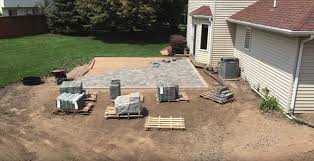
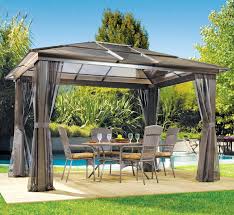
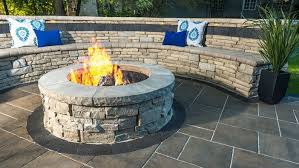
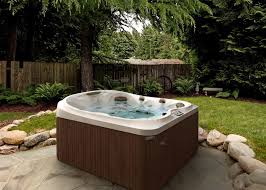
2. How do you want to use the space? My client had grand plans for her outdoor space: hot tub, firepit, gazebo, and dining/cooking. After you determine your wish list, you can then pinpoint areas in the backyard that will be best suited for those activities.


3. How big do these areas need to be? How you plan to use your backyard will determine the size of the space needed. This is important to consider when plotting out your landscape and ensuring you don’t overcrowd a space. If you want a fire pit area, the key element is the firepit. So, size that, and then take into account adding seating around it and safe distances from the heat and flames.


4. What surface hosts these activity spaces? Will you rely on grass, concrete, decking, paving stone? Determine your flooring or turf, and budget accordingly.

5. What are the existing assets or hindrances in your backyard? Do you want to incorporate that large tree in the middle of the yard as part of the design, or will it need to be removed? Do you want to take advantage of a great view? My client had a beautiful pond in her backyard and wanted to make sure that the gazebo she planned to build did not block her neighbors from the great view.

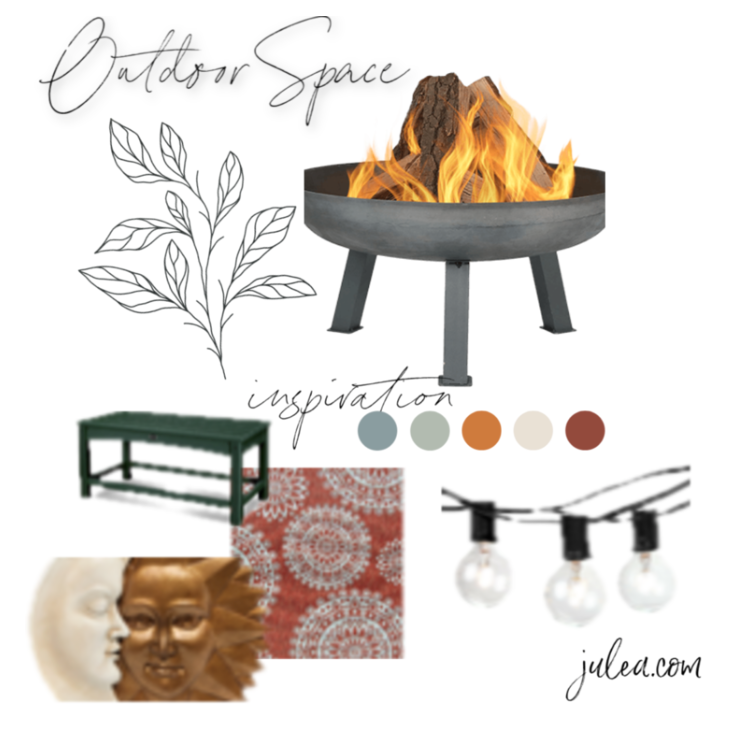
Have fun with your backyard! You can be inspired by your indoor space’s color theme, but don’t be at the mercy of it either. It’s OK to break that rule. There are oodles of ideas to inspire your patio design. Search online for inspiration. Keep a keen eye for ideas.


Julea Joseph is the owner and lead designer at Reinventing Space in Chicago. Visit her website and blog at Julea.com(link is external)

Top Home Bathroom Flooring Options

  • By
  • Posted

Freshome Team By Freshome Team in Flooring

Choosing the most suitable bathroom flooring can be daunting. You want your bathroom flooring to complement the rest of the home yet still withstand high moisture levels, humidity and heavy foot traffic. The sheer number of bathroom floor designs, colors, textures and material types further complicate the process. To help cut through the clutter, we’ve narrowed down the best flooring for bathroom areas as well as the pros and cons of each.

Best waterproof bathroom flooring options

There are many bathroom flooring options on the market today, with many of them claiming to be waterproof. But are they? Waterproof flooring means that no water or moisture will penetrate it no matter how long the floor is exposed. In genuinely waterproof flooring materials, the waterproofing product is baked in rather than just being used as a coating. By contrast, water-resistant floors are usually not resistant to moisture under the top layer of the floor. 

While the flooring material may be waterproof, the subfloor is usually not. As such, water can seep through cracks, between floorboards or along the wall and cause damage to the bathroom’s structure. Bathrooms often need a silicone sealant around bathtubs and toilets no matter what flooring type you choose. 

Waterproof bathroom flooring is easier to clean and maintain, but it also protects. Because water will always find its way down through cracks on the floor or in walls, this leakage can manifest itself in the form of damp ceilings or walls, especially if the bathroom is on an upper floor. As waterproof flooring is watertight, there’s little risk of leakage.

Waterproof vinyl flooring

Gone are the days when vinyl was perceived as flimsy or cheap. Today it is one of the most popular flooring options for its durability and comfort. Vinyl planks and tiles come in virtually any color and style imaginable.

Waterproof vinyl flooring’s core is reinforced by additional layers to enhance its rigidity. When shopping for waterproof vinyl flooring with rigid core construction, you are likely to come across wood plastic composite (WPC)and stone plastic composite (SPC).

As the name suggests, WPC incorporates fine sawdust or other wood-like materials, a thermoplastic resin, fiber and a foaming agent. Sometimes referred to as wood polymer composite, this type of flooring material is lightweight, resilient, warm and comfortable when you are standing for long periods.

SPC vinyl flooring material uses ground limestone, polyvinyl chloride (PVC) and stabilizers. SPC is thinner, denser and heavier compared to WPC flooring. Due to its thin nature, there’s little padding underfoot, which makes it less comfortable.

Types of waterproof vinyl flooring for bathrooms

Waterproof vinyl planks are perhaps the most popular WPC vinyl flooring option on the market today. Made to mimic hardwood floors, they are available in several shapes and sizes.

Waterproof vinyl tile

The top surface of waterproof vinyl tiles is glazed, preventing moisture from seeping through it. Most mimic natural stone, but there are a few that look like wood.

Pros and cons of waterproof vinyl

Pros:

  • Affordability: Vinyl is relatively inexpensive as compared to other flooring options such as porcelain tile or hardwood.

  • Ease of installation: Because vinyl is lightweight, you can cut and adjust it to fit your bathroom floor exactly.

  • Waterproof: Vinyl floors are water-resistant, making them practical for bathrooms.

  • Versatility: Vinyl flooring is available in many shapes, textures and colors.

Cons:

  • Impossible to repair: Once damaged, vinyl flooring cannot be repaired. You have to replace the entire tile or plank.

  • Prone to wear and tear: Compared to other flooring materials such as hardwood that can last a lifetime, vinyl flooring has a maximum lifespan of about 20 years.

  • Tough to remove: If installed using a vinyl adhesive, vinyl floors are challenging to remove.

Porcelain and ceramic tile bathroom floors

From the appearance, it’s difficult to tell porcelain and ceramic tile apart. Both are made from a clay mixture that’s heated in a kiln. However, porcelain flooring is made of refined clay and is heated at higher temperatures making it denser and more durable than ceramic. Porcelain and ceramic are often the best tile for bathroom floors for durability and affordability.

Porcelain and ceramic planks

Technology has made it possible to achieve the appearance of a hardwood floor while maintaining the features of porcelain or ceramic floors through planks that mimic real wood.

Porcelain and ceramic tile

Homeowners are particularly fond of porcelain and ceramic tiles for their bathroom floors due to their versatility and durability. Porcelain tiles are harder, denser, tougher and less porous. On the downside, they are more expensive than ceramic tiles. Ceramic tiles are more affordable because they are less refined, but are also less durable.

Thin-gauged floor tiles

Gauged porcelain tiles (GPT) measure 36-by-36 inches or smaller. These tiles offer superior porcelain features that are only available from natural stone or marble. Gauged tiles are available in a wide range of styles, textures and colors.

Pros and cons of tile flooring

Pros:

  • Easy to maintain: Tile floorings are normally coated with liquid glass which protects them from stains.

  • Chemical and heat resistant: Tiles made of porcelain and ceramic do not corrode when exposed to chemical agents or extreme temperatures.

  • Diverse colors and styles: Tiles are available in a wide range of colors, patterns, sizes, styles and textures to fit most decor.

  • Durable:  Porcelain and ceramic tiles are rather long-lasting. And water-resistant.


Cons:

Hard surface: This type of flooring can be uncomfortable to stand on for long periods. Professional installation is required: Even slightly uneven tiles can result in breakage, so the installer needs to be skilled and knowledgeable. Cold: This type of floor getscold during colder months. Grout lines: It’s impossible to prevent grout lines entirely. Tiles need some maintenance to keep grout lines clean and mold-free.

Natural stone tiles

When used on your bathroom floor, natural stone tile adds warmth and depth to the bathroom. The tiles are uniquely textured and colored, and can be made of marble, granite, limestone, slate and travertine, among others.

Pros and cons of natural stone tile flooring

Pros:

  • Enhances your bathroom’s elegance: Natural stone flooring can be beautiful and enhance your decor.

  • Aesthetic value: While the tiles may be the same material, each has a different coloring or grain alignment, which adds depth and texture to the space.

  • Increases home resale value: Natural stone flooring is as expensive as it is unique, thus improving the home’s value.

  • Durability: Natural stone is long-lasting when compared to other flooring materials.

Cons:

  • Expensive: Compared to other flooring materials such as vinyl, natural stone is quite costly.

  • Uncomfortable: Like ceramic and porcelain tile, natural stone adapts to existing weather conditions. The floor could become uncomfortable to walk on in cold weather.

  • Difficult to maintain: Soaps and detergents can lead to floor discoloration.

  • Porous: Unlike glazed porcelain or ceramic tiles, natural stones are quite porous and prone to water damage.

Water-resistant laminate floors

Laminate flooring came up as an easy-to-install and more affordable option to hardwood flooring. Since its inception, laminate flooring has undergone tremendous improvements. Today, it is difficult to tell hardwood and laminate flooring apart. There are also laminate flooring styles that resemble natural stone, vinyl and even tiles.

Pros and cons of water-resistant laminate floors

Pros:

  • Easy to install: Laminate flooring is lightweight, so it’s easier to install and ideal for a DIY bathroom floor remodel.

  • Waterproof: Laminate flooring is water-resistant, especially when silicone-sealed around tubs and toilets.

  • Affordability: Laminate flooring is an affordable alternative to hardwood and other flooring types.

  • Durability: Waterproof laminate is long-lasting and practical for a high-traffic bathroom.

Cons:

  • Difficult to repair: While it is durable, laminate flooring has to be replaced when damaged.

  • Less versatile: As it is a relatively newer material, there are fewer options when it comes to design and style as compared to other flooring types.

  • Appearance: While laminate may mimic natural stone or hardwood, it can look less realistic up close.

Engineered wood floors

If you are keen on getting long-lasting hardwood floors for your bathroom, go for core engineered wood floors. Unlike traditional hardwood floors, core engineered wood has several layers, with the outermost layer being hardwood veneer. The inner layers are made of hardwood, fiberboard or plywood.

Pros and cons of rigid core engineered wood floors

Pros:

  • Water-resistant: Compared to traditional hardwood, engineered hardwood does a better job of reducing moisture problems.

  • Easy to install: Real wood flooring is rather difficult to install, unlike engineered wood flooring which can utilize click-lock installation.

  • Easy to clean and maintain: As engineered wood is coated with wood veneer, it is easy to clean and maintain, holding up well against dents, fading, scratches and stains.

Cons:

  • Price: Compared to conventional wood, tile vinyl and laminate, engineered wood is considerably more expensive.

  • Health concerns: Some people have allergic reactions to the adhesives used to bind the various layers of engineered wood together

  • Prone to damage: The outermost surface is not scratch-resistant and needs more care than other types of flooring.

  • Fewer chances of refinishing engineered wood: Unlike traditional wood flooring which you can re-sand numerous times, engineered wood cannot be sanded (or only once) due to its thin top layer of hardwood.

Frequently asked questions

What are some bathroom floor tiles for a high-use bathroom?
Porcelain tiles are great for high-use and high-traffic bathrooms as they are denser, harder and less porous than other types. Ceramic tiles have the same benefits as porcelain tiles but are more affordable. Vinyl is the most affordable option for a high-use bathroom.

What are the best cheap flooring ideas?
Laminate and vinyl are both affordable flooring options for a bathroom. Both come in various styles, designs and colors and are two of the more easily installed flooring types.

What are some small bathroom tile ideas?
A small bathroom should have small- or medium-sized tiles in neutral colors. It is not a good idea to install large tiles in small bathrooms. Apart from disrupting proportionality, large tiles may need to be cut off, resulting in waste, which can also interrupt any patterns. 

What are the best bathroom flooring ideas for households with kids?
Porcelain and ceramic flooring is great in a kid’s bathroom. These tiles are scratch-, stain- and water-resistant. They are also more durable than bathroom vinyl flooring and can withstand splashes from exuberant playing in tubs and sinks.

Comments

  1. Derek Campbell on

    This is helpful, most especially for me who does DIY renovations. Thanks! http://www.oldworldstoneimports.com/

    Get Ready for Father's Day!

    • By
    • Posted

    When Is Father's Day in 2020? Here's Everything You Need to Know and how long you have to plan the perfect Father's Day for Dad.

    By Editorial Assistant

    Summer will be here before you know it, and along with it, a pretty important date for all the dads out there. You guessed it: We're talking about Father's Day. Although most sons and daughters don't need a specific date to celebrate the most important man in their life, every dad in the country does get his special day on the calendar. This year's celebrations might look a little different with our current social distancing situation, but you should still take the time to commemorate the day. If you're not able to dine together, maybe you can surprise him with a porch drop-off of some of his favorite Father's Day brunch recipes or even surprise him with a mail-order meat delivery so he can grill up his favorite meal.

    It was never meant to be this way, but the annual holiday can surprisingly come with a considerable amount of stress when you're supposed to find the perfect Father's Day gift for the guy who insists he doesn't need anything. (And let's be honest, sometimes a Father's Day card alone just doesn't cut it.) You may now be wondering, "Well, when is Father's Day in 2020?" Here, we're telling you all you need to know about the holiday, including its history. 

    WHEN IS FATHER'S DAY 2020, EXACTLY?

    Before you start worrying about what to get your father for his day, you can relax a little, because there's still time to plan a Father's Day brunch or even put your crafty side to work with a DIY gift idea for dad. This year, Father's Day is on Sunday, June 21, 2020.

    IS FATHER'S DAY ON THE SAME DATE EVERY YEAR?

    Don't feel bad if this date is news to you; the celebration changes days year-to-year. If you ever forget, just remember that Father's Day always falls on the third Sunday in June, and then check the calendar accordingly. 

    WHAT IS THE HISTORY OF FATHER'S DAY?

    Unlike Mother's Day, which has pretty somber origins, Father's Day has relatively light roots—and was actually created by a woman. According to History.com, back in 1909, a woman named Sonora Smart Dodd, "tried to establish an official equivalent to Mother’s Day for male parents." She went around to local businesses to gather support for her idea, and on June 19, 1910, the state of Washington celebrated the first-ever Father's Day.

    Although the event inspired President Woodrow Wilson and President Calvin Coolidge to urge Americans to acknowledge a day for dads during their administrations, it still wasn't an official holiday. Unfortunately, the enthusiasm for the commemoration didn't last long. During the '20s and '30s, people tried to do away with both Mother's Day and Father's Day and replace them with Parents’ Day instead.

    Then, during the Great Depression, retailers made a push to commercialize the holiday in an attempt to make money during dire financial times. And as World War II started, people began to use Father's Day as a way to pay respect to American troops.  

    Finally, several decades later, on May 1, 1972, President Richard Nixon signed Proclamation 4127, which declared Father's Day as a national holiday, with the first official celebration on June 18, 1972. "Let each American make this Father's Day an occasion for renewal of the love and gratitude we bear to our fathers, increasing and enduring through all the years," he wrote in the document.


    Jennifer Aldrich was the editorial assistant for CountryLiving.com.

    21-40 of 66 Posts

    Get in touch!

    Do not fill in this field:

    I agree to receive marketing and customer service calls and text messages from Melanson Real Estate. To opt out, you can reply 'stop' at any time or click the unsubscribe link in the emails. Consent is not a condition of purchase. Msg/data rates may apply. Msg frequency varies. Privacy Policy.

    This site is protected by reCAPTCHA and the Google Privacy Policy and Terms of Service apply.