
Blog :: 01-2022

Welcome to our blog! Here you will find information regarding market, local and Lakes Region information and events! Along with DIY projects and more! Come back often to see what's new and leave us a comment if there's something you'd like to see.

Supply-Chain Issues Leave New Homes Without Garage Doors and Gutters

  • By
  • Posted

Pandemic-related factory closures, transportation delays and port-capacity limits have stymied the flow of many goods and materials critical for home building.
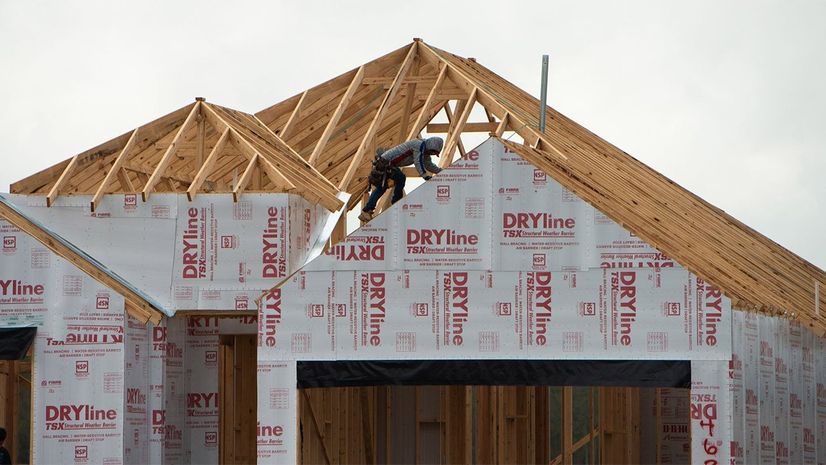
House under construction with home wrap

(Brandon Thibodeaux for The Wall Street Journal)

By Nicole Friedman

Supply-chain backlogs are roiling the new home market, upending efforts to accelerate construction, limiting home-buyer choices, and causing some new owners to move into unfinished homes.

Home builders have increased activity in the past year in response to robust home-buying demand and a shortage of homes in the existing-home market. In many cases, the surge in demand in late 2020 and early 2021 overwhelmed builders, forcing many to halt sales in some markets while they caught up.

Now the industry is struggling with global supply-chain woes. Pandemic-related factory closures, transportation delays and port-capacity limits have stymied the flow of many goods and materials critical for home building, including windows, garage doors, appliances and paint. Freezing weather and power outages in Texas in February led to a shortage of resin, which is used in many home-building products.

While supply-chain delays for some products showed signs of easing at the end of last year, builders say it is still taking weeks longer than normal to finish homes. About 90% of home builders surveyed by housing-market research firm Zonda in November said they were experiencing supply disruptions, up from 75% in January 2021.

Delivery delays can cause a domino effect of rescheduling work crews, which is worsened by a shortage of skilled tradespeople in many markets.

Many builders so far have been able to pass increased material costs along to home buyers. But with home prices higher than ever—the median price of a newly built home in November rose 18.8% from a year earlier to a record $416,900—some builders are concerned about pricing out potential buyers.
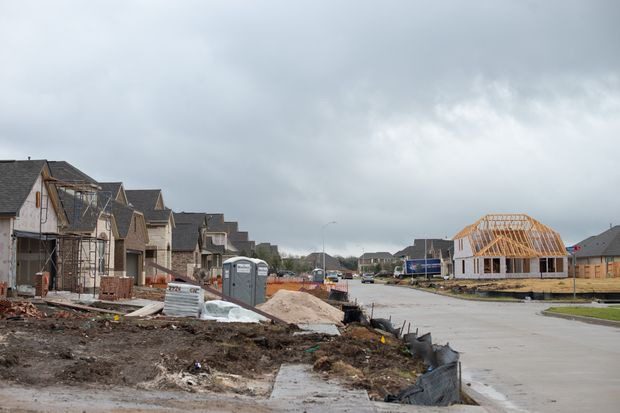
Housing development under construction

Coby and Tierrah Finger recently moved into a housing development in Fresno, Texas. (Brandon Thibodeaux for The Wall Street Journal)

Builders are scrambling to find new suppliers, stock up on building products and use substitute materials. Some are scouring retail big-box stores for products they can’t find through the normal supply channels.

That was the case with builder Epcon Communities in Dublin, Ohio, which bought metal shower grab bars online because they weren’t available through its typical commercial suppliers, said Stew Walker, Epcon’s vice president of construction. The company’s electrical subcontractor resorted to buying electrical boxes in hardware stores, he said.

“From one week to the next, the only thing we know is that we’re going to get notified of something else that is unavailable,” Mr. Walker said.

Epcon sold some homes last year without gutters and downspouts, then installed those features after buyers had already moved in, Mr. Walker said.

Homes by WestBay LLC in Riverview, Fla., has started ordering windows six months in advance, up from the typical 60 days of lead time, said President and CEO Willy Nunn. The company’s homes are 30 to 60 days behind their normal schedule.

“About the time we’re getting ready to pave streets in a new subdivision…we’re ordering windows for 100 homes,” Mr. Nunn said.
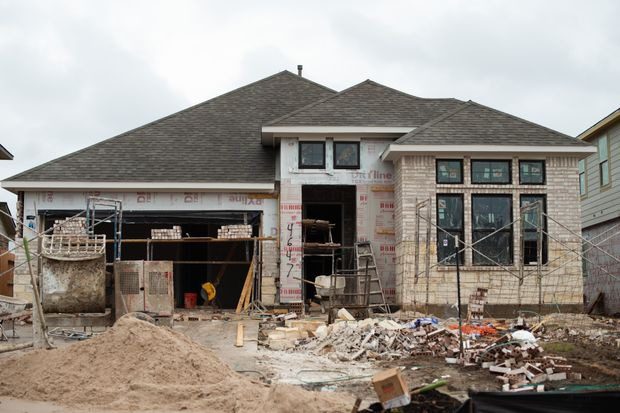
Unfinished home construction

The Fingers signed a contract with their builder in January 2021 but were unable to move in until December. Building-supply issues forced the couple to select brick three times. (Brandon Thibodeaux for The Wall Street Journal)

Many builders are selling houses later in the construction process, when they can better predict their costs and schedule, said Ali Wolf, chief economist at Zonda. Some are limiting options for floor plans or design features.

“In the home-building industry, timeline is king, because there are so many moving parts,” Ms. Wolf said.

California-based Williams Homes Inc. planned to build about 500 homes last year but only completed 400 due to supply-chain constraints, said Chief Executive Lance Williams.

“It was spotty and across the spectrum—just hiccups in the supply chain that we just historically haven’t seen,” he said. A shortage of garage doors, in particular, prompted the company to “scour the Western United States” to find more, he said.

Garage-door delays in Sacramento, Calif., prompted city officials in November to establish a provisional policy allowing builders to close homes with temporary garage doors.

The delays are causing havoc for buyers who are planning moves. And if mortgage-interest rates continue rising, buyers might face higher borrowing costs if their home closings are delayed.

Coby and Tierrah Finger signed a contract with M/I Homes Inc. to build a new home in the Houston suburbs in January 2021 and expected it to be completed by August or September. That was convenient because their apartment lease was up at the end of September, and Mrs. Finger was due with their second child in October.

But construction was delayed by city permits, freezing weather in Texas and materials shortages. M/I Homes asked the Fingers to choose new exterior bricks three times, because the options they had selected were no longer available. The family moved in with Mr. Finger’s parents after their lease ended and were living there when their baby was born.

“It was incredibly frustrating,” Mr. Finger said. They closed on their home purchase Nov. 29.

M/I Homes said it faced similar supply-chain issues to those of other builders in the Houston market, and it has been upfront with buyers about delays.

Home builders have built up a huge backlog of uncompleted homes. The number of single-family homes currently under construction surged 28.3% in November from a year earlier to the highest seasonally adjusted level since 2007, according to the Commerce Department.

Homes by WestBay’s Mr. Nunn expects demand in his market to stay robust as more remote workers relocate to Florida. “This is a terrific environment for us long-term, but we have to get through this supply chain unraveling,” he said.
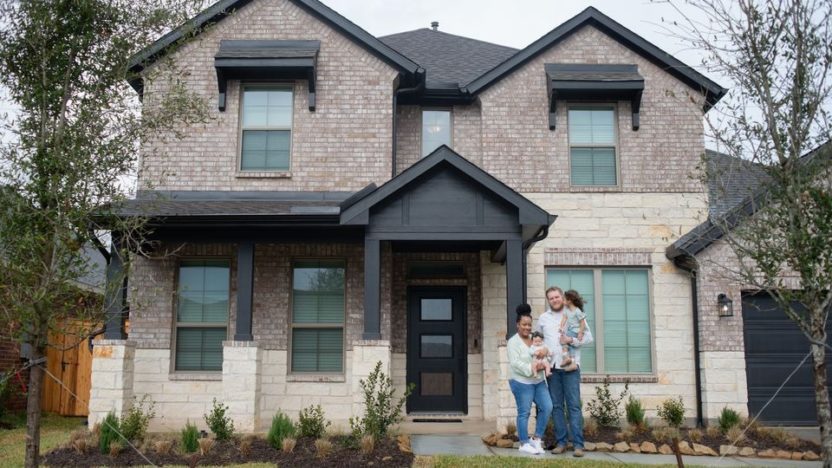
Finished home with family outside

“It was incredibly frustrating,” Coby Finger said of the construction delays on the family’s new home. (Brandon Thibodeaux for The Wall Street Journal)


By Nicole Friedman, writer for REALTOR.com®

 

Housing Market Predictions for 2022

  • By
  • Posted

Learn what factors are at play that will influence real estate sales in the year ahead.

2022 housing market predictions

©Urupong - Getty Images

by Rose Morrison

The housing market is a complicated machine with close connections to the U.S. economy. Changes in one will affect the other, and vice versa. Because these two entities are connected so closely, even the slightest shift can have far-reaching implications for home buyers and real estate agents.

Looking for patterns and understanding the relationships between different economic factors can help real estate professionals anticipate where the housing market may go next. As the new year approaches, here’s what experts are saying.

The Housing Market Now

Coinciding with the pandemic in early 2020, supply chain shortages and underbuilding across the nation made it increasingly difficult for Americans to find new homes. Underbuilding has been a growing problem for years, as construction companies have faced more restrictions and obstacles on how they can build.

COVID-19 has compounded this issue and impacted spending and production. Building materials were bought up early in the pandemic as eager homeowners used their extra time for home renovations. Meanwhile, new products could not reach stores—either because they weren’t being produced or because of backups in the supply chain. 

This lack of supply was exacerbated by a rise in demand for homes over 2020 and 2021. Many people changed their lifestyles and moved outside the city. Low supply and high demand created a strong seller's market, which led to higher prices. Even though houses cost more, bidding wars broke out as buyers tried to secure a residence.

High competition meant homes were selling in a matter of days or even hours, giving sellers the upper hand and reducing room for any negotiation from buyers. However, homebuyers kept engaging with the market since lower mortgage rates and remote work made homeownership a possibility for many.

The Future of the Housing Market

Experts agree that the housing market will continue to favor sellers for some time, possibly for years, but with slower growth in home prices and decelerating inflation. The large discrepancy between supply and demand for new homes will take a while to balance out, and the supply chain will need to work smoothly for some time before things can settle.

Market Competition

Although many other factors also create a seller’s market, the power dynamic between supply and demand is the main predictor of how things will turn out. Except in extreme cases, buyers and sellers can reach their goals regardless of who has the upper hand. However, sellers will get a better deal overall.

Seasonally, competition for homes and bidding wars tend to slow down in the winter. However, because competition has been so high overall, lowered levels this season are still high compared to years before the pandemic. Prices are expected to keep rising, so finding a home over the winter is probably wiser than waiting until spring.

Interest Rates

Another factor predicted to cause major shifts moving forward is the adjustment of interest rates by the Federal Reserve. The American housing market is sustained through a complex system of loans and interest rates, flowing down from the federal level. When inflation is high, the Federal Reserve raises interest rates, which affects loans like mortgages in an aim to prevent further growth.

Higher mortgage rates mean buyers will have to pay more for homes, which could slow down the housing boom by discouraging some people. However, investors will benefit from these higher rates since they’ll be making back larger amounts of money from banks and homeowners.

Financial Security

After the pandemic caused many people to lose their jobs and experience financial insecurity, the government and banks responded with loan forbearance programs to protect individuals from being evicted or going into foreclosure. However, most of these will come to an end in early 2022, so experts like National Association of REALTORS® Chief Economist Dr. Lawrence Yun predict some stimulation to the housing market as more homes come up for sale.

Consumer Confidence

Another factor that affects the housing market is consumer confidence. When people are optimistic about the future, they spend more and invest in long-term goals like houses. The early months of the pandemic caused a lot of uncertainty about the future and made many people question their goals and financial stability.

However, according to Kuba Jewgieniew, CEO of Realty ONE Group, consumer confidence and investments are growing as the pandemic era evolves. Looking forward, people will likely continue to move out of high-population areas because they’re seeking more space and homes with a smaller environmental impact.

Supply and Demand

Experts expect demand for homes to outpace supply for some time, so high competition and rising prices will continue to factor into buyers’ decisions. Rising interest rates may preclude some people from buying, which could tone down high competition rates. However, as incomes increase and employment rates move back to normal levels, the market should begin to balance out.

Changes in economic conditions are already affecting buyers. For instance, in 2021, lumber prices skyrocketed as demand for this building material outpaced supply. However, according to Kuba, lumber prices are expected to stabilize over the next year. This will make building new homes a more affordable option for many people. 

Zoom RVs

With the ability to work remotely, some would-be homeowners have decided to hit the road in their RVs, using Zoom to connect to work along the way. This trend could potentially continue due to a combination of the challenging housing market and remote work becoming normal for many people and industries, according to Kuba.

The COVID-19 pandemic has led to a seismic shift in how individuals relate to their jobs. It’s allowed many home buyers to move farther away from their offices. While some companies may decide to bring their employees back to the office, others will likely establish remote work as a permanent option.

Many people are thriving with the increased flexibility, lack of commute, and control over their work environment. The Zoom RV craze may eventually calm down, but working from home will continue to impact real estate in unprecedented ways for years to come.

The Housing Market in 2022 and Beyond

The housing market has been dynamic over the last two years. The pandemic highlighted how even small changes can have a ripple effect on the opportunities available to home buyers and investors.

However, the market’s close connection with the economy also offers hope as 2022 approaches. Over time, supply and demand will balance out, and the tides will eventually turn to favor buyers again in the future. In the meantime, sellers can make the most of this time in history.


Rose Morrison is the managing editor of Renovated, a home living site where she shares the latest home renovation news and market trends. Throughout her writing career, Rose has been a regular contributor to a number of sites, such as the National Center for Construction Education & Research, the American Society of Home Inspectors, and the International Code Council. 

The New Rules for Homebuyers and Sellers in the Age of Omicron: What To Expect in 2022

  • By
  • Posted

The homebuying and selling season typically kicks off right now. Will the newest stage of the COVID-19 pandemic wreck the market? Here’s the scoop.

Omicron and the housing market

(Realtor.com / Getty Images)

By Janet Siroto

Omicron has indisputably put a damper on early 2022 and as COVID-19 infection rates continue to climb, many may wonder whether we’re headed toward another nationwide shutdown of schools, businesses, and other #lifegoals that may have just begun sputtering back to life.

Meanwhile, homebuyers who’ve vowed that this is the year they’ll finally buy a house might feel as if a wrench the size of a Mack truck was thrown into their plans. Will open houses even be allowed? Will home sellers pull their listings, thinking it’s not worth the risk?

In an effort to shed some light on the year ahead, we surveyed real estate experts on what homebuyers and sellers should expect in the coming weeks and months.

How omicron will affect the housing market

Before the omicron variant of COVID-19 appeared on the scene, the 2021 housing market was rebounding healthily from previous waves of the pandemic and turned downright bullish as the end of the year approached. In spring 2021, a Realtor.com® survey found that only 10% of homeowners planned to sell within 12 months. By fall, that number had ballooned to 26%.

These factors had portended a tidal wave of home sales in the new year. And then the new omicron strain hit in November, followed by a December dip in new listings.

Was this sudden drop due to omicron, or just the typical holiday season lull?

George Ratiu, manager of economic research at Realtor.com, isn’t sure, but feels optimistic that omicron won’t halt the housing market’s momentum, particularly since this variant appears milder than its predecessors.

“We are not through it yet, but so far, this virus seems to be a lot more contagious, but also a lot less negatively impactful in terms of sickness and death,” Ratiu says. He also points out that data from epidemics in 1918 and the 1950s have also shown that viruses become more contagious but less severe over time.

Indeed, indications from South Africa, where the COVID-19 strain was first detected, showed a steep surge in cases followed by a rapid decline. So there’s some reason to expect that this latest wave of the pandemic in the U.S. will follow suit.

Omicron doesn’t seem to have hit the economy as hard as previous waves, either.

“The GDP and economy have survived fairly well,” Ratiu explains. “We’re seeing housing weather the variant so far. Retail sales, consumer confidence, and other indicators show guarded optimism in the road ahead.”

Bottom line: Even as COVID-19 infection rates climb, most experts aren’t bracing for a shutdown like we saw during the first wave of the pandemic in spring 2020.

“I do not believe that omicron will have much impact on the selling season,” says Cara Berkeley, a personal financial expert at Penny Polly. “The delta variant did not seem to slow things down here [in Tennessee], so omicron should not either. The number of homes sold in Nashville in November of this year was higher than the number sold in November of last year. The upwards trend both in sales and in the median price per home is continuing.”

Why omicron isn’t stopping home sellers from listing today

Even in the face of high COVID-19 infection rates, many home sellers are still eager to list in the new year because, frankly, they’ve been waiting long enough.

“My husband is already retired, and we’ve been dreaming of moving to Maine for a while,” says Meg Rooney, 63, of Fairfield, CT. “But we’ve felt paralyzed by the pandemic. The time didn’t feel right in the middle of the crisis. But I think omicron will be the last surge, and our real estate agent says people are ready to tour and buy despite this current uptick in cases. So we’ll finally put our house on the market.”

Most listing agents we spoke to see no shortage of buyers in their respective markets—particularly with more people taking on remote jobs than ever before.

“There continues to be huge pent-up demand,” says Tami Bonnell, co-chair of EXIT Realty Corporate International.

The take-home lesson for sellers: Those who list should expect plenty of offers—although only time will tell whether we’ll see a repeat of the frenzied bidding wars of 2021.

Why omicron isn’t scaring off homebuyers

Meanwhile, omicron doesn’t seem to be deterring homebuyers much.

“I will be hitting the open houses hard this month,” says Alison Levine, a mom of a toddler and a 6-year-old in Cleveland. “I know how high the infection rates are. But the pandemic has also shown me that our apartment is too small for remote learning plus working from home—and I need a backyard.”

Many of today’s homebuyers, much like Levine, have put their house hunts on hold for the past two years of the pandemic. By now, they’ve had it with their cramped quarters, and are willing to take a few calculated risks to upgrade to a place that better fits their lives today.

“Younger parents may be having a first or second child and need a bigger house, or a different school district,” explains Ratiu. “I see a bright future for the suburbs in 2022.”

In addition to outgrowing their homes, homebuyers have another urgent reason to hazard some home tours right now even with omicron lurking: Mortgage interest rates are expected to rise soon.

“Buyers are acutely aware that the current mortgage rates are just above 3%,” says Ratiu. “While they have been flat, rates are expected to rise, so people are in a hurry to capitalize on this.”

Homebuyers this year should brace themselves for plenty of competition.

“There is huge demand, [but] there’s still short inventory,” says Bonnell. “I believe the first half of the year will be tighter with more bidding wars than the second half.” 

One reason omicron likely won’t slow down homebuyers is that so much of home touring today is happening virtually rather than in person. In 2020 during the first wave of COVID-19, video and virtual tours were more of a novelty that certain buyers and sellers resorted to when in-person viewing wasn’t safe. By now, though, virtual tours have matured into a far more sophisticated and commonplace experience

“We’ve had a year and a half to practice virtual tours and marketing,” says Norman Miller, a real estate and finance professor at the University of San Diego. “We’ve taken some of the fear out of the process.”

To succeed in early 2022, buyers will need to bring their A-game and start preparing now. This means making sure you have a current mortgage pre-approval (they expire over time), watching interest rates closely, and getting ready to pounce once your dream house appears.

“My agent and I frequently text about what she’s seeing in the market, things like how quickly things are selling and where the winning bid is compared to the asking price,” says Levine. “That way, I know how high to bid.”

Real estate in the wake of omicron: What’s ahead?

While many experts anticipate that omicron will be more of a blip than a bomb on this year’s real estate forecast, the one real wild card is whether more variants are on the horizon.

“It’s hard to project, but on broad balance, we’re likely to see continued variants in 2022,” says Ratiu.

Yet putting our lives on hold forever just isn’t something humans are meant to do, a fact that homebuyer Levine keeps in mind as she forges ahead.

“Omicron isn’t softening things so far,” she says. “So I am getting my ducks in a row.”


Janet Siroto is a journalist, editor, and trend tracker. Her work has appeared in Cosmopolitan, Good Housekeeping, and other publications.

Get in touch!

Do not fill in this field:

I agree to receive marketing and customer service calls and text messages from Melanson Real Estate. To opt out, you can reply 'stop' at any time or click the unsubscribe link in the emails. Consent is not a condition of purchase. Msg/data rates may apply. Msg frequency varies. Privacy Policy.

This site is protected by reCAPTCHA and the Google Privacy Policy and Terms of Service apply.