Blog

Welcome to our blog! Here you will find information regarding market, local and Lakes Region information and events! Along with DIY projects and more! Come back often to see what's new and leave us a comment if there's something you'd like to see.

Small Business Day, presented by Bangor Savings Bank

  • By
  • Posted

Courtesy of Wolfeboro Chamber of Commerce



This online webinar will provide you, the small business owner, with critical information needed to thrive in the COVID-19 landscape. Small Business Day panels, featuring experts in their field, will focus on financing options for small businesses; tax implications of COVID-19 stimulus acts;  liability and other COVID-19 concerns for small businesses; and legislative issues affecting employers.

There is no fee to participate, but advance registration is required. For more information, please contact Lora McMahon at 603-224-5388 x101.

Event Item Name          Expires                   Pricing

Small Business Day        Feb 12, 2021             $0.00

Register


Bangor Savings Bank, Presenting Sponsor


McLane Middleton, Professional Association, Sponsor

Bigelow & Company, Partner

Maloney & Kennedy, Sponsor

Mason + Rich CPAs, Sponsor

Nathan Wechsler & Co., PA, Sponsor

Tufts Health Freedom Plan, Virtual Exhibitor

U.S. Small Business Administration, Virtual Exhibitor

NH Small Business Development Center, Partner

NH Small Business Development Center


Preliminary Agenda
8:00 am:  Legislative Leadership Panel
A special panel featuring legislative leaders who will identify top small business issues they’ll be addressing during the 2021 legislative session. Panelists include: Senate President Chuck Morse, Speaker of the House Sherman Packard, Senate Democratic Leader Donna Soucy, and House Democratic Leader Renny Cushing. This interactive session will allow you to get the latest information on key legislative proposals impacting the small business community.

9:00 am:  Financing Options for Small Business
Learn about traditional and alternative (non-traditional) options for financing your small business from a panel of experts. Panelists: Amy Bassett, district director, NH Small Business Administration; Julie Glosner, Merrimack Valley regional director, NH SBDC; John Hamilton, acting president of economic opportunity, NH Community Loan Fund/Vested for Growth; and Mary Mattson, senior vice president, commercial banking team lead Manchester/Concord, Bangor Savings Bank. Moderated by Michael O’Reilly, senior vice president and commercial team lead, Bangor Savings Bank in NH.

10:00 am:  The Bottom Line: Tax Implications of COVID-19 Stimulus Acts
This will be an interactive presentation allowing you to get answers to your specific issues from three of New Hampshire’s top CPAs. Topics to be discussed will include PPP loan forgiveness, deductibility of expenses, payroll tax credits, how Main Street Relief funds will be treated and more. Panelists: Kevin Kennedy, CPA, CFE, Maloney & Kennedy; Marie McKay, CPA and principal, Bigelow & Company; Leslie Walker, CPA and director, Mason + Rich; and Steve Lawlor, principal, Nathan Wechsler. Moderated by Dave Juvet, senior vice president of public policy, BIA.

11:00 am:  Liability and other COVID-19 Concerns for Small Businesses
This panel will explore pressing issues the pandemic has raised for small businesses like legal liability, and changes to paid family leave and paid sick time in the recently passed federal COVID-19 stimulus legislation. Panelists: Patrick Closson, director and chair of Corporate Department and Healthcare Group, McLane Middleton; Steven Dutton, director, Litigation Department, McLane Middleton; and Jennifer Parent, director and chair of the Litigation Department, McLane Middleton. Moderated by David Creer, director of public policy, BIA.

Thank you to our promotional partners:

Cohase Chamber of Commerce
Exeter Area Chamber of Commerce
Franconia Notch Regional Chamber of Commerce
Greater Claremont Chamber of Commerce
Greater Dover Chamber of Commerce
Greater Hudson Chamber of Commerce
Greater Merrimack Souhegan Valley Chamber of Commerce
Greater Nashua Chamber of Commerce
Greater Ossipee Chamber of Commerce
Greater Keene and Peterborough Chamber of Commerce
Greater Salem Chamber of Commerce
Greater Rochester Chamber of Commerce
Hampton Area Chamber of Commerce
Lakes Region Chamber of Commerce
Lakes Region Tourism Association
Lake Sunapee Region Chamber of Commerce
Meredith Area Chamber of Commerce
Mt. Washington Valley Chamber of Commerce
NH Association of Insurance Agents
NH Dept. of Business & Economic Affairs
NH Lodging & Restaurant Association
NH Small Business Development Center (SBDC)
NH Automobile Dealers Association
North Country Chamber of Commerce
Ski New Hampshire
Upper Valley Business Alliance
U.S. Small Business Administration
Western White Mountains Chamber of Commerce
Wolfeboro Area Chamber of Commerce



Show Your Home a Little Love This Valentine's Day

  • By
  • Posted

Valentine's Day is a time to celebrate the ones we love, but this year, besides celebrating it with flowers, chocolates, and a candle-lit dinner, be sure to show your home a little love too.

By Christopher Kelly 

New Decorations

Adding some new decorative items, whether they’re temporary, like a bouquet of flowers on the dining room table, or more permanent, like a fresh coat of paint, are a great way to show your home a little love and help yourself fall in love with your home all over again. 

Clean Up

Get a head start on your spring cleaning by washing the windows, cleaning the carpets, and dusting the fans now. The fresh feeling you create is a great way to show your home some love.

Minor Renovations

Looking to save water? Consider a new showerhead. Want to upgrade the fixtures in your home? Consider something as simple as new outlet covers. Home renovations don’t have to be big and expensive; even small upgrades can have a big impact on your home.

Make Repairs

If you have a loose banister in the stairwell, need to replace caulk in your bathroom, or a light switch that doesn’t work, go ahead and repair it yourself or bring someone in to repair those items.


Christopher Kelly, RE/MAX Bayside


Watching the big game this Sunday? Host a watch party with friends!

  • By
  • Posted

Watching the Super Bowl might look different this year thanks to the pandemic, with football fans opting for virtual celebrations instead of houses packed with guests chowing down on snacks. 

There's still time to plan a fun game day event -- even if it's virtual. The big game between Kansas City Chiefs and Tampa Bay Buccaneers is this Sunday, Feb. 7 at 6:30 p.m. ET at the Raymond James Stadium in Tampa. A sparse 22,000 fans will be in the stands, including 7,500 vaccinated health care workers. But just because you can't gather around the same TV together eating wings doesn't mean you can't watch the Bucs versus the Chiefs -- or, for some, the commercials and halftime show -- alongside friends and family in a virtual space. Super Bowl Sunday can still be fun, even if you're hanging out with your friends virtually or in a socially distanced fashion.

Here are a few ways for you to safely see your fellow football fans virtually!

Host a watch party 

What app you choose to use depends on how you and your virtual friends and family plan on watching the game, which is streaming free on CBSSports.com. You can watch the game virtually with friends using Sling TV or by using the Chrome extension Teleparty -- you might also know it as Netflix Party, its former name. While you can't watch the game on Netflix, Hulu Plus with Live TV will air the game and Hulu supports Teleparty. Find out more about how to host a watch party with Teleparty here. Or...

We've all had time to get used to socializing on Zoom over the last year. If you're planning to gather the gang on a Zoom call there are a lot of options for a good time.

Big Game Bingo:

Here's a fun game idea that would definitely help spice up a watch party. Use these free printable Super Bowl commercial bingo cards for fun during the biggest game of the year! Print a card, find the items during the commercials, and win – a fun Super Bowl bingo game for everyone! 

The bingo cards have the names of brands and celebrities that are scheduled to appear in the 2021 Super Bowl commercials. Everything on the cards has been confirmed as of publish date on this post but if someone pulls out last minute, sorry!

There are about 35 different commercial options that could be on each card so that the chances of people getting bingo at the exact same time are low!

Click here to download the 2021 Big Game Commercial Bingo

Food, food, food

There's nothing like the food that crowds a counter at a party for the big game. Create a makeshift potluck if you're planning on hosting a watch party, dialing in with your group on Zoom or whatever app you choose to participate.

Even if you're planning on watching the game solo, why not share the couch with great food? Perhaps some Buffalo chicken dip?

A socially distanced in-person party

This should be for those folks who live in warmer areas -- given the wintery conditions, gathering outside would be a bit uncomfortable. If you're hosting or attending an outdoor watch party the Centers for Disease Control and Prevention have guidelines for staying safe, including wearing masks and standing at least six feet apart. If you're planning on watching the big game indoors, try to keep it limited to those in your household.

Have fun and be safe!


Improvements First-Time Homeowners Should Tackle First

  • By
  • Posted

While low mortgage rates and the COVID-19 pandemic continue to motivate first-time buyers, other factors need to figure into their financial planning. Tight inventory markets mean many home shoppers will end up purchasing a house that requires repairs to its structure and mechanical systems, which will take a big bite out of their budget.

By Barbara Ballinger

Owning a home is a significant financial investment. These 10 tips will help you prepare for maintenance and repair costs, too.

3 Takeaways: 

  • First-time buyers should look beyond the shiny new kitchen and consider problematic signs in a listing.

  • Chimney inspections can point out crumbling mortar and problems with flashings, flue liners, and the flue itself.

  • Homes without good gutters and downspouts may have problems with interior leaks.

First-time buyers may want to look beyond the shiny new kitchen and sizable outdoor space and consider problematic signs, such as a leaky roof, cracked pipes, or inefficient air leaks. A thorough home inspection is good a start, yet, some buyers are willing to waive the inspection to make their offer more appealing to sellers in today’s competitive market. Although, they should know the risks involved when purchasing without an inspection.

All too often, homeowners—especially those buying a fixer-upper—focus on aesthetics, like gleaming subway tiles they plan to install along a kitchen backsplash or how they’ll transform a yard into a mediation retreat. They can’t forget about the issues that must take priority. Houses age just as people do, and they require regular checkups, repairs, and new parts, akin to our doctor visits, medications, and surgeries.

“So many homeowners buy a house for a lifestyle rather than for economic reasons, so they tend to think about the glitzy stuff rather than what’s behind the walls and sometimes not visible,” says Jennifer Ames, a salesperson with Engel and Volkers' Chicago office.

While it’s less joyful to spend money on replacing a furnace or roof than updating an old bathroom or porch, it’s critical to do so to protect an investment. Due diligence can also help lower heating and cooling bills and pare down other costs. Homebuyers should have specialists perform ongoing maintenance and to not put off repairs that may become more expensive if left untended. Some might even lead to health issues, such as mold.

1. Keep away rain. Climate changes have brought heavy rains and storms to more parts of the country, and homes without good gutters and downspouts may have problems with interior leaks and standing water in the yard.

A home’s gutters should be pitched away from the house and be wide enough to carry water without leaves getting clogged—ideally 6 inches rather than the traditional 4 inches.

Downspouts should extend 5 feet from the home’s foundation so water won’t collect near the home and leak inside, potentially causing mold.

Gutters should be cleared annually or semi-annually. An expert should periodically check wood fascia boards behind gutters, which may rot over time. Also, installing a drip edge to the roof’s plywood decking to keep water from getting underneath. In addition, the landscape should be regraded if the yard slants downward toward the house.

2. Tighten the envelope. Homes that are not well sealed allow warm air to escape in winter and cool air in summer. It also makes it easier for bugs and rodents to find their way inside. Hire an expert to perform an assessment. The assessment provides a number that indicates how leaky a house is, and directs a homeowner to undertake changes, such as using caulk to seal around windows, air ducts, and areas where the walls meet the foundation. In addition to lowering energy costs, this also prevents pollutants and humidity from entering the home.

Historically, most homeowners who add insulation choose foam or mineral wool, but many building codes now require tighter envelopes, so the industry is moving toward blown-in rockwool, fiberglass, and cellulose.

Another way to keep out insects and rodents is to use inert pesticides like boric acid.

3. Maintain a stable foundation. Cracks in a foundation require prompt attention so they don’t spread and cause more severe problems. Cracks develop for all sorts of reasons, from climate fluctuations to age to land sloping toward the house. A structural engineer should be hired to do an assessment and help the homeowners develop a solution, such as waterproofing a basement and foundation down to the footings or installing a sump pump and battery backup system to remove future water. Telltale signs of a wet basement may be stains on walls or bad odors from moisture.  

4. Inspect the roof. Unless it’s a simple case of a roof missing a few shingles, a home’s topmost layer can become an expensive repair if it’s old or badly damaged. Buyers should ask sellers the age of the roof and how it was constructed. The best shingle roofs also have a good underlayment and decking underneath.

Flashing, a plumbing stack, chimneys, and skylights should also be inspected before purchase because rain, animals, and debris can find their way into openings. A metal roof will last longer—50 to 100 years versus a shingle roof’s 30 years—but its costs can be four times higher. Homeowners may find it useful to have an annual roof inspection to check for storm damage. Also, they should perform their own visual inspection by noting discoloration or curled or missing shingles.

5. Update lighting. Old incandescent lightbulbs increase energy costs and have a short life span. LEDs are an easy, affordable upgrade that require far fewer changes and are much more efficient. Choose LEDs with a 2,600 to 3,000 K (kelvin) measurement that produces a warm color, similar to 60-watt incandescent. Because LED bulbs come in a wide variety of shades, trying out one to see if it appeals before buying for an entire house. Also, avoiding compact fluorescent lights, which take time to warm up and can be overly bright, almost like a floodlight.

6. Add air conditioning. With much of the country experiencing more extreme heat, many new homeowners may find that fans aren’t sufficient to cool a home. Window AC units work, but don’t cool a house efficiently and are less visually appealing. A quality AC system will provide a good return on investment at resale.

A split system to lower energy costs since each room can be separately controlled. However, the costs are greater than one central system—sometimes 50 percent more—though they will help save money over time. Some companies recommend adding an ultraviolet light system to kill mold, bacteria, and viruses from being circulated, which many homeowners have started to do since the onset of the pandemic.

7. Prepare for outages. Many experts believe electricity outages will continue to be a problem in certain parts of the country. A generator is a wise investment, especially if outages grow longer and more frequent. Homeowners can still benefit from the federal solar tax credit if they invest in a solar-battery backup system.

A battery backup attached to a solar array could be connected to a single circuit to extend the life of the battery’s charge. On average, costs might run from $25,000 to $40,000. Less costly, but also less environmentally friendly, is a diesel generator system, which may run between $18,000 and $22,000 for a 3,000-square-foot home, or $5,000 to $8,000 for a smaller unit that powers kitchen appliances and some lights. Besides cost, it works for longer periods without needing to be recharged like a solar system.

8. Maintain wood. Wood adds charm to a home, whether through siding, flooring, railings, or a deck. But it also requires regular maintenance. Boards—even new ones—can rot due to weather and insects. Another culprit is the type of wood used today. A century ago, the center of trees was used for boards, which made them sturdier than today’s wood planks that are made from the entire tree and its pulp. That means they also carry more moisture, and therefore rot faster. Pressure washing a house to remove mold and sealing wood well with quality paint will reduce this.

9. Remember tree care. Trees are a beautiful addition to a property, providing shade in summer and picturesque snow-covered branches in winter. But they should not be overlooked by homeowners when it comes to their care. Big limbs may come down during storms, insects can feast on wood, and spreading tree roots may clog sewers. New homeowners should hire an arborist to examine their site’s trees when they move in and have limbs pruned periodically. Diseased trees should be promptly removed to prevent spread.

10. All things chimney. A stately chimney adds elegance to a home, the equivalent of icing on a cake. But if it’s not tended to, moisture can enter, along with animals and other debris. A cap will help, as will inspections to point out crumbling mortar and problems with flashings, flue liners, and the flue itself. Keeping all parts in shape will also improve the air quality in a house and allow smoke to exit more freely when the fireplace is used. If a chimney has significantly deteriorated, the home buyer will have to decide whether to take it down to the roof level and sheathe it over with shingles or to have it repaired. Another factor may be cost, which can vary greatly. A third factor may be if the house is located in a historic neighborhood and exterior parts must be retained according to a municipality’s rules.

Barbara Ballinger; Barbara is a freelance writer for REALTOR Magazine and the author of several books on real estate, architecture, and remodeling.

6 Common Causes of Clutter and Their Cures

  • By
  • Posted

If you have clutter in your home, you’re certainly not alone. Most of us hang on to unneeded things and struggle to keep our homes clutter-free. But if we could identify the root causes of the clutter, could we make it go away? Identifying the cause of clutter is definitely a great first step. Clutter may have one of several root causes. 

Life changes, decision avoidance and a lack of efficient systems can be contributing factors.

By Jeanne Taylor

1. Your Life Circumstances Have Changed

A change in life circumstances — a new baby or job, a move to a new home, an illness or injury — can be stressful and lead to a typically tidy home becoming cluttered. Eventually, this type of clutter resolves when the baby starts sleeping through the night or the moving boxes are unpacked. The question is how long adjusting will take and how much your clutter will bother you in the interim. 

If you’re frustrated by your chaos and you lack time or bandwidth to address it, you may want to seek help from family, friends or a professional home organizer to get you through this stressful phase. 

2. You Lack Habits for Keeping Your Home Tidy

Some people are not in the practice of hanging up their jackets or putting away their beauty supplies. Patterns like these can cause a state of disarray at home. But it’s not impossible to establish new habits. 

I recommend trying an approach called “the habit loop,” from the bestselling book The Power of Habit: Why We Do What We Do in Life and Business, by Charles Duhigg, which I outlined in this story. Essentially, it involves three steps: cue, routine and reward. The cue is a reminder that initiates a new behavior. The routine is the behavior itself. The reward is the benefit you get from doing the new behavior. It’s a method that has worked well for me as well as for some of my organizing clients.

3. You Lack Systems for Handling Your Stuff

Not having systems in place to handle items we touch every day can lead to a lot of clutter buildup. Here are a few of the big culprits.

  • Paper and mail are the No. 1 source of clutter in many homes. If you’re unsure how long to keep old bank statements, bills, tax returns and other records, or if you lack an efficient system for handling pending paperwork such as unpaid bills, the mess tends to mount. The good news is that you can take some simple, straightforward steps to address your paper pile and create a system for sorting mail. If you need help sorting the old items and setting up a new system, I recommend scheduling an appointment with a professional home organizer.

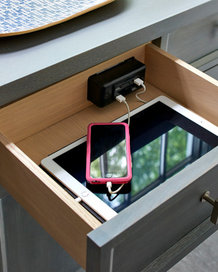
  • Cellphones, keys, glasses, wallets and laptops. Lacking a designated location to store these items can lead not only to clutter but to endless frustration. The solution is to simply designate a location so that you don’t have to search for these items every time you leave the house. A kitchen drawer with a charging station is ideal, but if you don’t have one, then simply corral these items in a small basket near an electrical outlet where you can easily grab them when you leave the house.

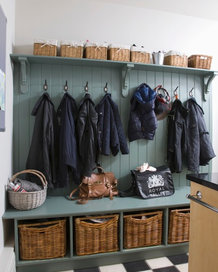
  • Purses, computer bags, backpacks, sports bags and outerwear. Closets and coat racks can fill up quickly with these bulky items, with extras ending up on the backs of chairs or draped over bannisters. Often, there are just too many of these items, so consider winnowing your collection. For example, if your child receives a new backpack each year, consider donating the old one. Sort through coats and donate any that no longer fit or you no longer use. Hang everyday bags and outerwear on a coat rack or in a closet near the front door. Store ski jackets and special-occasion purses in a different location.

  • Children’s art supplies, toys and homework. Children generate a large amount of clutter, with the most intense period of disarray beginning in babyhood and continuing through elementary school. Taming this mess can be challenging for even the most organized person — especially when it comes to toys that pile up as friends and family members offer gifts. If your child will agree, consider donating some toys to a charity to cut down on the mess.

As for the rest of children’s belongings, because young children like to be near their parents, you’d be wise to set up storage in or near the spaces where the family is most likely to spend time. Typically, this is the kitchen or great room.

4. You Own Too Many Items Used for the Same Purpose

I commonly help clients who have collected an overabundance of pens, pencils, reusable grocery bags, notepads, serving bowls and platters, kitchen tools, sunscreen, binders and coffee mugs. Fortunately, this is a relatively straightforward decluttering challenge. Simply reduce your collection of these items to an amount that will reasonably fit into your storage space and that you will realistically be able to use. Going forward, consider what you already own before buying. Be realistic about whether you have room to store a new item.

5. You Avoid Making Decisions About Your Things

Some people avoid deciding what to do with their clutter by placing items in a basement, garage or closet not visible from the main living spaces. This is a common tactic when quickly cleaning up before a party. However, this type of clutter weighs on people’s minds because they know it has to be dealt with sometime.

I often work with clients to sort through boxes and bags of stashed belongings that have been left in place for years. Usually the contents end up in the recycling bin or the landfill. If you know you have such boxes lurking, consider enlisting the help of a friend or a professional to help you sort through them and get them out of your life.

6. Your Health Gets in the Way 

A long-term health problem can sometimes result in household clutter as schedules are upset by medical appointments and free time becomes scarce. In these circumstances, a person may lack energy or mobility. Similarly, clutter can accumulate as we age and lose energy, balance or mental capacity for making decisions.

In such cases, it may be necessary to get outside help. A family member might need to attend to the clutter once a week. A professional organizer may need to create systems to more easily keep the home tidy.

On the other hand, extreme clutter or hoarding is usually caused by underlying issues that may require the help of a psychologist or other professional.

For most of us, clutter is simply a part of modern life. If you struggle with it, you’re certainly not alone. But take heart: With determination and a little help — whether moral support from friends or the guidance of a professional — you can overcome it and live a more organized life.

Jeanne Taylor, Houzz Contributor, is a home organizer in the San Francisco Bay Area.

Shhhh! When a Home Is Too Loud

  • By
  • Posted

The ability to work from home during the pandemic has been a blessing for many people, but it’s also made some acutely aware of the absence of one element helpful for productivity: quiet.

By Melissa Dittmann Tracey

With many people working or studying remotely, these strategies may help cut down the noise.

Many have taken to barricading themselves in closets or hiding in their cars to insulate themselves from chatty household members or noisy street sounds. Echo-prone open floor plans have exacerbated the problem as family members concurrently try to do their jobs or attend remote school.

Enter acoustic consultants, armed with sound- proof design techniques and technology to bring some peace and quiet to home environments. Real estate pros can benefit from learning about these enhancements, which can be a valuable amenity for resale, especially for a home on a busy street.

“The pandemic has forced people to look at their home’s acoustics very differently,” says Bonnie Schnitta, founder and CEO of SoundSense, an acoustic consulting company based in Wainscott, N.Y.

Since the start of the pandemic, Schnitta’s firm has been fielding more calls from real estate professionals and homeowners about noisy plumbing, loud traffic, and household sounds amplified by open floor plans. During site visits, they’ll calculate precisely how sound reverberates in a space and offer a range of solutions, such as adding sound-absorbing fabric or foam behind wall hangings or underneath rugs. While these fixes aren’t cheap—consultation fees start at $900—many find the results are worth it.

Real estate professionals are getting help for listings with challenging acoustics. For one hard-to-sell home on a noisy street, Schnitta suggested adding a water feature in the front yard swimming pool, which, combined with a barrier, masked the road noise. The home sold two weeks later. “You can rarely completely erase road noise, but there are ways you can mitigate it,” she says.

Noise can impact resale. A 2017 realtor.com® study showed that sellers of homes within a 2-mile radius of an airport tended to see discounted prices of 13.2% compared to similar homes elsewhere in the same ZIP code. Sellers near train tracks saw average discounts of 12.3%, followed by 11.3% for nearby noisy highways.

The luxury Mozaic at Union Station Apartments in downtown Los Angeles addressed street noise issues by teaming with Veneklasen Associates, an acoustics firm, to work on soundproofing. Because 90% of outside noise entering an apartment comes through windows, behind the existing double-pane windows, they installed secondary, noise-mitigating windows that dampen sound vibrations and prevent sound leaks using recording studio-style soundproofing technology.

Window add-ons from Soundproof Windows Inc. cost $790 to $1,070 apiece, while a sliding glass door insert sells for about $1,600.

Noise reduction can be as simple as adding a $50 door seal or as complex as spending $10,000 or more for full-home soundproofing. Here’s a range of recommendations from acoustic consultants:

  • Cover hard surfaces. Hard, highly reflective surfaces are among the worst sound offenders. Use softer materials, such as area rugs with a sound-absorbing pad underneath and fabric-covered furniture, suggests Audimute, an acoustic design consultation firm.

  • Reduce echoes in open spaces. In open floor plans, sound can bounce everywhere. SoundSense and Audimute offer fabric-covered panels to add onto walls for sound absorption. Or try bookcases—even just half-full—against walls to help absorb sounds. Artwork can also be used as a sound barrier. SoundSense makes a Paradise Foam product, which can be tucked behind canvased art to mitigate noise.

  • Seal doors and windows. Soundproofing companies offer acoustic door seal kits that fit snugly around doors or window edges to reduce sound coming through cracks.

  • Add sound-absorbing shades or drapes. Roman shades, using heavy fabric, can help reduce noise, as can cellular shades and plantation shutters. Heavy drapes and curtains—think suede or velvet—are also effective at absorbing outside noise.

  • Go green. In addition to improving air quality, houseplants can help reduce noise. (They’re most beneficial on hard-surface floors.) Consider a tall, potted Norfolk pine in room corners, Schnitta says. Sound will bounce from the wall onto the foliage instead of throughout the room.

“When [buyers] walk into a home and hear an echo, it can be a turnoff,” Schnitta says. In a listing, “there are several inexpensive things you can do: Put in an area rug with a specialized pad. Put a plant in the corner, even if it’s artificial. Add a bookcase. All of this can make a big difference when it comes to sound.”


Melissa Dittmann Tracey is a contributing editor for REALTOR® Magazine. 

Lumber Takes a Fall

  • By
  • Posted

Builders and home buyers paid the price as supplies dropped, but the outlook for new construction is improving.

Key takeaways:

  • COVID-19 dramatically disrupted the lumber supply chain affecting home building.

  • Lumber prices have been highly volatile since the spring.

  • An uptick in home remodeling has further squeezed the lumber market and contributed to rising prices.


By Daniel Bortz

Last spring, the coronavirus pandemic ground several large lumber mills in the U.S. to a halt—and homebuilders suffered the consequences.

Take Jesse Fowler, for example. Fowler, the president of Tellus Design + Build, a full-service general contractor based in Southern California, said in an interview with REALTOR® Magazine in November that lumber prices for his company had “gone through the roof.” “It’s tough on our business because we have to play the middleman and negotiate lumber prices for our clients,” Fowler said. In one instance, he said, a framer charged one of his clients who was building a new home $90,000 over what was originally estimated to compensate for rising lumber costs.

The COVID-19 crisis and the constraints it has put on the nation’s lumber production aren’t the only factors that have jacked up lumber prices. “Our lumber tariffs with Canada are high, and our domestic lumber industry can’t supply everything that we need,” says Robert Dietz, chief economist at the National Association of Home Builders.

In addition, “the wildfires in the West certainly haven’t helped [lumber production],” says Mike Theunissen, co-owner of Howling Hammer Builders, a custom home builder and remodeler based in Mt. Pleasant, Mich., and chairman of the building materials subcommittee at the NAHB.

Dietz says small homebuilders have had a harder time coping with the price hikes. “Larger builders are feeling less of an impact,” he says.

And optimism is on the rise more broadly. After reaching their peak last September, lumber prices began to fall, according to Monthly Composite Prices reports from industry tracker Random Lengths. “What we had was a shock to the supply system at the start of the pandemic, but now that lumber production has ramped back up, lumber prices have gone back down,” says Mark Rasmussen, a forest economist at Mason, Bruce & Girard, a natural-resources consulting firm, during an interview in early November. Yet just a few weeks later, prices were on the rise again, in response to both favorable building conditions in the fall and suppliers stockpiling materials for an expected busy construction year ahead.

Another bright spot for general contractors: “The remodeling business is busy right now, and you don’t need as many materials when remodeling” as you need to build a new home, Theunissen says.

However, with Americans spending a lot more time at home, many people are taking on home improvement projects themselves. As of mid-August, 61% of U.S. homeowners said they’d taken on a home improvement project since March 1, a NerdWallet survey found. Shawn Church, editor of Random Lengths, says the do-it-yourself remodeling boom contributed to rising lumber prices. “The strong DIY activity generated a demand for wood products that left supply and demand in an acute imbalance,” he says. “Wood products prices surged as a result.”

When lumber costs surged, Theunissen says, his company was forced to make some changes. “We started putting escalation clauses into our contracts for lumber,” he says. “For example, a contract might say that if lumber costs rise by more than 10% before our work is performed, then the customer must pay the difference... We hate to invoke escalation clauses, but there’s only so much we can absorb,” he adds. Howling Hammer’s contracts also started allowing for delays in materials delivery. “If it takes an extra four weeks to do a project because materials arrive later than we expected, then that’s just the way it is,” Theunissen says.

The Impact on New-Home Buyers

Of course, rising lumber prices also affect buyers purchasing new homes. Sales prices of new homes have risen sharply over the past year. As of mid-October, higher lumber prices had added $15,800 on average to the price of a new single-family home, Dietz says. According to Census Bureau data, the average sales price of new single-family houses sold in September 2020 was $403,900, up from $384,000 in January.

Homebuilders are grappling with a number of other challenges, Dietz says, most notably labor shortages and tighter mortgage lending requirements for home buyers and homeowners seeking home equity loans or lines of credit.

There’s little evidence that higher prices have kept large numbers of buyers away. Among affluent buyers, the demand for new construction remains high. Hans Wydler, an associate broker at Compass who works with buyers and builders of custom homes in the greater Washington, D.C., area, says, “Buyers [here] don’t care about lumber prices... That’s just not on their radar.”

Some buyers are being priced out, though. “I have a build job going on right now where the cost went up $50K due to the sudden increases in lumber and other building materials,” says Sheila Smith, an agent with RE/MAX Capital City in Boise, Idaho. “Boise is still being flooded with newcomers from bigger metropolitan areas, mostly California. They can afford the higher-priced homes, and our inventory is down 80% from 2019 overall.”

On a national level, housing starts hit a seasonally adjusted annual rate of 1.53 million last October, up 14.2% from October 2019, according to the Census Bureau. Moreover, homebuilder optimism in November hit its third straight record high, according to the NAHB/Wells Fargo Housing Market Index, which has been tracking homebuilder sentiment for 35 years.

Possible Solutions

Although future lumber prices can be difficult to predict, experts say a couple of actions may be able to curb lumber costs in the U.S. For one, “we need to find ways for the domestic lumber industry to produce more, perhaps through recruiting more workers or through new forest policy,” Dietz says.

Second, the U.S. government must negotiate a better lumber agreement with Canada to address the high lumber tariffs that are currently in place. “That’s been a longstanding issue,” says Dietz, “but I think it can happen sometime in the next two years.”

Lawrence Yun, NAR’s chief economist, sees reason for optimism. “Lumber prices should moderate and decline somewhat in 2021 as a result of more harvesting and a possible reduction in tariffs to foreign products,” he says. “That will help home building and generate local economic growth.”


By Daniel Bortz: Daniel is a freelance writer who specializes in writing about personal finance but also covers real estate, home improvement, travel, careers, small business, and even weddings.

How the Pandemic Is Affecting Where Buyers Move

  • By
  • Posted

In these turbulent times, one thing is for sure: The COVID-19 pandemic has drastically changed the real estate market. Low inventory and high demand continue to drive up home prices as buyers explore new markets and consider new places to call home that previously may have been off the table.

By Kaycee Miller: Kaycee manages marketing and media relations for Rentec Direct and shares industry news, products, and trends within the community.

Trends have emerged in terms of popular destinations as a result of changes brought on by the pandemic. Here are a few factors that are expected to continue influencing buyers in 2021.

Remote Work: The New Normal

While remote and virtual work was a growing trend prior to COVID-19, now, nearly a quarter of the U.S. population is currently working from home because of the pandemic. Many experts predict a substantial percentage of the workforce will continue to work remotely in some capacity even after life returns to normal, which means buyers are looking in locations that previously wouldn’t have been a viable option.

With buyers no longer tied to locations because of their jobs, they’re more often considering a move based on lifestyle and quality of life. And if the trend of remote work continues at its expected pace, more buyers will be willing to live further away from their jobs, foregoing downtown areas and public transportation options because they no longer have a daily commute. As a result, homes with a dedicated office space and other work-friendly features will grow in demand.

In San Francisco, some tech company are now allowing employees to work remote indefinitely. I know one buyer who’s now considering moving across the country to North Carolina. There’s not only a substantial difference in housing prices compared to the Bay Area, but he will also be able to keep his current salary. As you can imagine, this will have a massive impact on his family’s income and savings—and it’s something he never would have considered pre-pandemic.

High Costs Contributing to Migration

With people spending more time at home than ever before, many are weighing the pros and cons of price per square footage and opting for more space in a rural location as opposed to less space in a highly populated area.

A growing number of city-based buyers are also considering moving to the suburbs for the first time in pursuit of lower housing prices. And many people have been forced to move during the pandemic as a result of income or job loss.

The draw of popular downtown areas will not likely disappear completely. Job opportunities and proximity to restaurants, entertainment, and culture will continue to attract buyers. However, 2020 did result in more homeowners and renters moving to the suburbs, especially areas with a high number of COVID-19 cases.

Prioritizing the Great Outdoors

As Americans seek easy access to outdoor recreation options, there have been major increases in the number of people moving into states like Utah, Oregon, New Mexico, and Idaho this year, perhaps looking for more distance from others.

The changes this year have been so abrupt and drastic that we have no precedent for examining these trends. What we do know, however, is that the pandemic is ongoing and its complete impact on the real estate industry remains to be seen. The trends we are tracking may or may not be permanent, but it’s worth keeping a close eye on population movement, as these metrics will definitely influence what the marketplace will look like in 2021.


5G, Smart Masks: Emerging Tech for Real Estate in 2021

  • By
  • Posted

CES 2021—the tech industry’s annual mega-show—moved to an all-digital format this year due to the pandemic. About 1,800 exhibitors have been taking part in the virtual show, which Consumer Technology Association (CTA)® has hosted all week. Companies showcased products via virtual press conferences, Zoom rooms, and an all-digital expo floor experience.

By Melissa Dittmann Tracey, Contributing Editor for REALTOR® Magazine.

Technology companies are racing to respond to the coronavirus crisis with products intended to help you connect remotely. Robots, augmented reality, and new filtered air solutions for the home are among the tech developments the real estate industry is watching.

Here are a few trends to watch:

1. Greater emphasis on cleanliness.

Portable air filters, robotic vacuums, and ultraviolet light sanitation products are trending. Companies are adding touchless and voice-enabled tech, such as for smart locks and faucets, to prevent the spread of germs at home and in the workplace. Several companies are presenting air purification systems—some portable—to help filter out harmful germs in indoor environments.

Homebuilders are paying attention to buyers’ increased interest in healthier homes, too. For example, Taylor Morrison’s TM LiveWell model home highlights improved ventilation for indoor air quality, filtered drinking water, and nontoxic building materials containing fewer chemicals. More than a third of potential home buyers say they want a new home with better health and wellness features, Erik Heuser, chief corporate operations officer at Taylor Morrison, recently told BUILDER.

2. 5G connectivity serves as a backbone for innovation. More than 67 million 5G smartphones are expected to ship in 2021, according to CTA. As 5G service becomes more available across the country, tech firms believe the super-fast connection speeds—10 times faster than 4G—will pave the way for rapid innovation in smart-home tech, autonomous vehicles, artificial intelligence, and connected cities. “5G is so much more than just another tech innovation,” Hans Vestberg, CEO of Verizon, said Monday at a session during CES 2021. “It makes other innovations possible.” Vestberg added that there are about 14.2 billion connected technology products currently supported on 4G networks. The field is predicted to grow to 55 billion products by 2025, which will require the support of 5G networks, he said.

3. Interest grows for robotics and drones. As the pandemic made less physical contact necessary, companies increasingly turned to robotics and drones, said Lesley Rorhbaugh, director of research for CTA. She predicted accelerated adoption of more robotic technology across industries. “These solutions are becoming necessary to stay safe and protected,” she said. Retailers are turning to robots to stock store shelves. Hygiene robots like the Xenex LightStrike disinfect commercial spaces using UV light. Drones are increasing in demand for contactless deliveries, she noted.

In real estate, could robot-led home tours become more commonplace? In 2017, real estate startup Zenplace began offering such tours, enabling a remote real estate agent to speak to potential customers in a video chat while the robot shows the house, gliding from room to room. Since the pandemic, “we are seeing unprecedented demand for our platform across 35-plus states,” Jason Green, a spokesman for Zenplace, told CNBC in March.

4. As more information heads to the cloud, security concerns grow. Fifty-nine percent of global enterprises expect their cloud usage to increase due to the COVID-19 pandemic, according to Flexera’s 2020 State of the Cloud Report. But as more data moves to the cloud—including home sales—security remains a paramount concern. Eighty-three percent of companies cite security as their top concern as more processes move to the cloud, according to the report. Tech companies are rushing to develop greater encryption technology to better protect business data. In real estate, cybersecurity remains a top concern due to the growth of wire fraud scams, but you can step up your defense against hackers.

5. Smart-home tech adoption accelerates. Voice commands via Amazon Alexa and Google Home are simplifying the use of smart-home devices. And the call for cleaner homes is fostering an interest in smart-home products for air filtration. Kohler is debuting several motion sensors and touchless operations for kitchen and bathroom faucets to prevent the spread of germs. Also, greater artificial intelligence is being added into smart-home tech to recall user preferences and make suggestions. AI is being incorporated into everything from television sets for content suggestions to washer and dryers for recommend wash cycles. The largest growth in smart-home products centers on smart displays, doorbells, and appliances, CTA notes in its tech forecast.

6. Augmented reality overlays the real world. By 2030, tech firm IDTechEx predicts that the augmented, virtual, and mixed reality markets will surpass $30 billion. Koenig foresees rapid growth in augmented reality, which is the projection of digital information like graphics, text, and sound onto the real world. Beyond smart glasses, AR is increasingly being used in smartphone applications—an advantage over having to wear bulky VR headsets to immerse in 3D realities, Koenig notes. The real estate industry is dabbling in AR by offering up different views of staged homes or scenarios for remodeling. Buyers can use AR apps to better visualize a space according to their own design tastes. For example, Australian startup RealAR offers 3D configurations of properties using AR via a smartphone app. The technology could also help buyers better visualize properties when viewing them remotely.

7. Masks get smarter. A mask is becoming an essential part of your everyday wardrobe. Several companies are touting high-tech masks with added air filters for safety. Rorhbaugh says some smart masks may be able to track environmental conditions around you, such as alerting you on your smartphone when you’ve entered an area with high pollution. LG is launching the PuriCare Wearable Air Purifier, a battery-operated face mask that features two H13 HEPA filters with dual fans. It also comes with a case with UV-LED lights that can kill harmful germs and charge the mask between uses (price information yet to be released). Binatone’s MaskFone a medical grade N95 mask with built-in wireless headphones and a microphone. It includes voice control using Alexa.

Binatone’s MaskFone


Thinking About Buying or Selling Your Home?

If you’re looking to buy or sell your home, then look no further!

We’re here to service ALL your real estate needs. Over 30 years of experience, you can trust. We are an extraordinary real estate company located in downtown Wolfeboro in the heart of the Lakes Region.

What's your home worth? One of our real estate experts can assist you with your no-cost, personalized, current market analysis.

Contact us today!

melanson real estate office building wolfeboro


Happy New Year! Welcome 2021!

  • By
  • Posted

Happy New Year 2021!

May the New Year bring you happiness, peace, and prosperity.  It is time to move forward from the past and celebrate a new start. Wishing you a joyous 2021!

Happy New Year from all of us at Melanson Real Estate!


New Year's Resolutions for Aspiring Homebuyers

  • By
  • Posted

This year, many of us have spent more time at home than ever before, and what we need from a home has changed. If you’re thinking about buying a home with a big backyard, a home office, or just a place where you can paint the walls and hang up all your favorite decorations, here are some new year's resolutions for you.

stacked boxes in empty room

By Christopher Kelly, RE/MAX Bayside

Reduce your debt.

Your debt-to-income ratio (DTI) will play an important part when lenders determine whether they want to issue you a loan. Your DTI is the sum of all your monthly debt payments divided by your gross monthly income. You can improve your DTI by paying off some of your debt before you apply for a mortgage.

Improve your credit score.

Your credit history and credit score also play a big part in your mortgage approval. The better your score, the better the rate you’ll qualify for, which can save you tens of thousands of dollars over the course of your loan. Start monitoring your credit score now and look for ways to improve your credit score.

Save for a down payment and closing costs.

There are several low down payment options available, but even a small down payment is typically a few thousand dollars, depending on the cost of your new home. You’ll also have to pay closing costs when you purchase a home. These cover expenses such as title insurance, home inspections, appraisals, etc and could run around 5% of the home price. Start saving now to meet your home ownership[ goals!

After you lower your debt, improve your credit score, and save up your down payment and closing costs, you’re ready to get preapproved and find the home of your dreams!


Jupiter and Saturn Will Align to Create the First "Christmas Star" in Nearly 800 Years

  • By
  • Posted

As 2020 comes to a close, the solar system has decided to grace us with a cosmic Christmas miracle that hasn't been witnessed in nearly 800 years. On Dec. 21 (aka the December or Winter solstice), Jupiter and Saturn will align so closely in the night sky that they'll almost appear to collide from our vantage point here on Earth, creating a radiant point of light often referred to as the "Star of Bethlehem" or the "Christmas Star."

by Chanel Vargas, Dec 2, 2020

"Alignments between these two planets are rather rare, occurring once every 20 years or so, but this conjunction is exceptionally rare because of how close the planets will appear to be to one another," said Patrick Hartigan, an astronomer at Rice University, according to Forbes. "You'd have to go all the way back to just before dawn on March 4, 1226, to see a closer alignment between these objects visible in the night sky."

The event, sometimes referred to as The Great Conjunction, occurs roughly every 19 to 20 years, but this is the closest the planets will line up in the night sky since the Middle Ages. Technically, Saturn will be 10 au (astronomical units) from Earth, and Jupiter will be 5 au away, but they will appear to be less than the diameter of a full moon apart. 

To catch a glimpse of the phenomenon for yourself, make sure you have a clear view to the southwest about 45 minutes after sunset. The planets will be at their closest on Dec. 21, but the "Christmas Star" will be visible from anywhere on Earth for about one hour after sunset in the northern hemisphere for the entire fourth week of December. If you're viewing with a telescope, you may also be able to see Jupiter and Saturn's largest moons orbiting them that week. The next Great Conjunction this close won't happen until March 15, 2080, so be sure to take a peek out your window later this month for a brilliant holiday treat.

Image Source: Getty / Vidmar Fernandes

6 Ways to Spark Joy This Holiday Season

  • By
  • Posted

This may not be the holiday season any of us had planned for. The pandemic has canceled our parties, our group baking extravaganzas and our annual trips to feast with our families. If you haven’t visited your loved ones in a year or have only hung out socially distanced, forgoing a large family gathering can feel like another entry on the list of “Things I missed out on in 2020.” 

But there is joy to be found in a scaled-down celebration, and you still can make your holiday season festive whether you’re spending it with your immediate household or flying solo. 

Festive Home for the Holidays

Compliments of Zillow, Life at Home

Here are six ways to make the most of the holidays this year — and ring in a very eager toast to 2021. 

Deck the heck out of the halls

Just because you’re not having a large holiday gathering doesn’t mean that you should skimp on the decorations. If anything, this is the year to go big. Ever fantasized about being that yard or balcony — you know, the Clark Griswold-level one that everyone stops and admires? Now is your chance to be the star of the neighborhood. 

And don’t let the cheery decorations stop on the outside. Adorn your space with twinkle lights, pompom garlands, illuminated elves or items that remind you of holidays at your parents’ house, or wherever you feel most at home. You’ll be feeling like you’re in the middle of a Hallmark movie before you know it. 

Create new traditions

You might be missing the usual fare — your mom’s homemade candy, your grandma’s elaborate roast, even that work holiday party that you used to loathe. But this year, instead of thinking about how much you wish things were different (and, oh, how we do), try to focus on creating your own traditions that can live on post-pandemic. 

Usually a couch potato on Christmas morning? Implement a brisk holiday walk before you open your presents. Has your family always celebrated holidays in a fairly traditional American way? Research how other countries spend the holiday season. For example, Icelanders gift each other books on Christmas Eve and spend the evening reading alone in bed (not a bad setup for a pandemic holiday). 

Embrace hygge

The Danish concept of hygge (pronounced hoo-gah) or a feeling of coziness and warmth — marries well with being stuck inside for the entirety of the holiday season. Although it’s easy to miss the “going out” opportunities of the season like holiday concerts, movies, cocktail parties, ice skating or neighborhood gatherings, try to embrace the feeling of comfort and security of your warm home. 

How exactly do you achieve hygge in your home? Although there’s no wrong way to accomplish feeling cozy, your best bet is candles (and lots of them), a fireplace, your favorite blanket and a freshly baked batch of cookies. 

Pamper yourself

Spending the holiday solo this year? Having an entire day of self-care planned for when you would normally get together with family or friends will make it something you look forward to (and maybe even make a new holiday tradition). 

Take a long, hot bath or shower, exfoliate, do a deep conditioning treatment, paint your toenails, try out a new aftershave or manscaping regimen, or whatever other form of pampering you like to engage in. Create a pampering schedule on your phone or write it down in a notebook so it feels like an official day at the spa. Or, if your idea of self-care looks more like a good book, a group Zoom with friends, a refreshing solo hike or a day of classic movies and popcorn, make a schedule that’s right for you.

Organize a cookie exchange

Sure, you can’t bake together, but that doesn’t mean you can’t organize a flow of sweet treats to your door (and everyone else’s in the neighborhood). Have a select few neighbors or local friends sign up to bake a batch of cookies and do a drop-off on the front porch. You can even take pictures of all the finished products and have an online vote to see which cookie had the best design or flavor. 

Donate to a cause

One thing 2020 has made clear: There’s more need than ever before. With millions of lost jobs and an economy in trouble, people are struggling to make ends meet — and nonprofits and trying to help fill in the gaps. If you are financially able, one of the best ways to cap off the year is to research a charity and donate what you can. 

5 Ways to Decorate for the Holidays on a Budget

  • By
  • Posted

Deck out your home for the holidays without breaking the bank with these creative ideas, crafts and upcycling projects.

By: Allie Holcomb King, HGTV 

Display Holiday Cards + Gifts

Holiday cards and gfts under tree

Instead of spending money on store-bought decor, work with two things you probably already have on hand — holiday cards and wrapped gifts. Not only will this help cheer up a dull spot in your home, but it will also keep your mail pile from overflowing and your Christmas tree base from overcrowding. Here, a tree-shaped cardholder is stacked on a gift-filled bar cart, adding holiday cheer to an otherwise basic foyer.

Get Creative With Gift Wrap Scraps

Holiday cookies and plates

Don’t throw away those seemingly useless scraps of gift wrap! Put them to work to give everyday items, like basic serving plates, a holiday makeover. Cut the leftover paper to size, and use it to line serveware. For a display that will last all season long, fill the festive dishes with holiday knickknacks or long-lasting snacks, like whole nuts or individually wrapped candies.

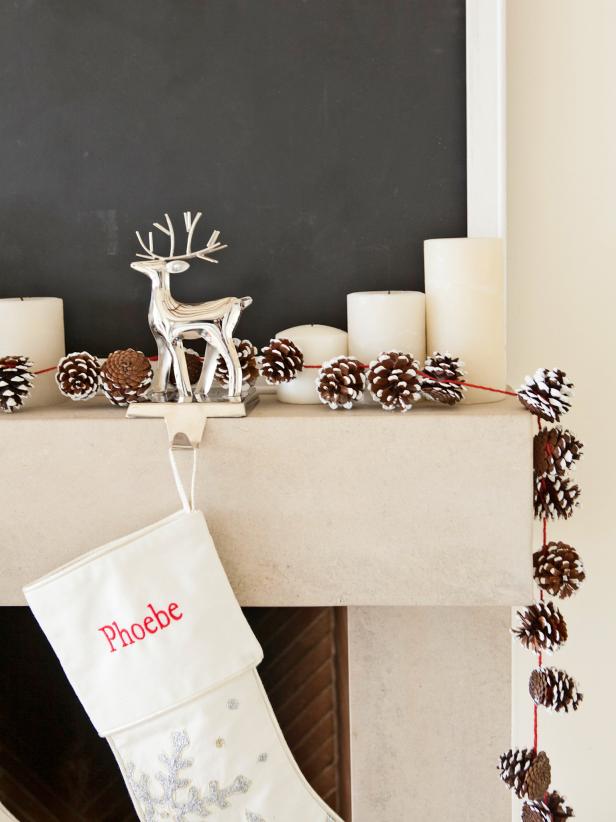
Craft a Pinecone Garland

Fireplace decorations

If you already have yarn or twine and white craft paint on hand, this DIY decoration only requires a quick trip to your backyard. Dip pinecones in white craft paint to create a dreamy, rustic garland perfect for your mantel, Christmas tree or dining table.

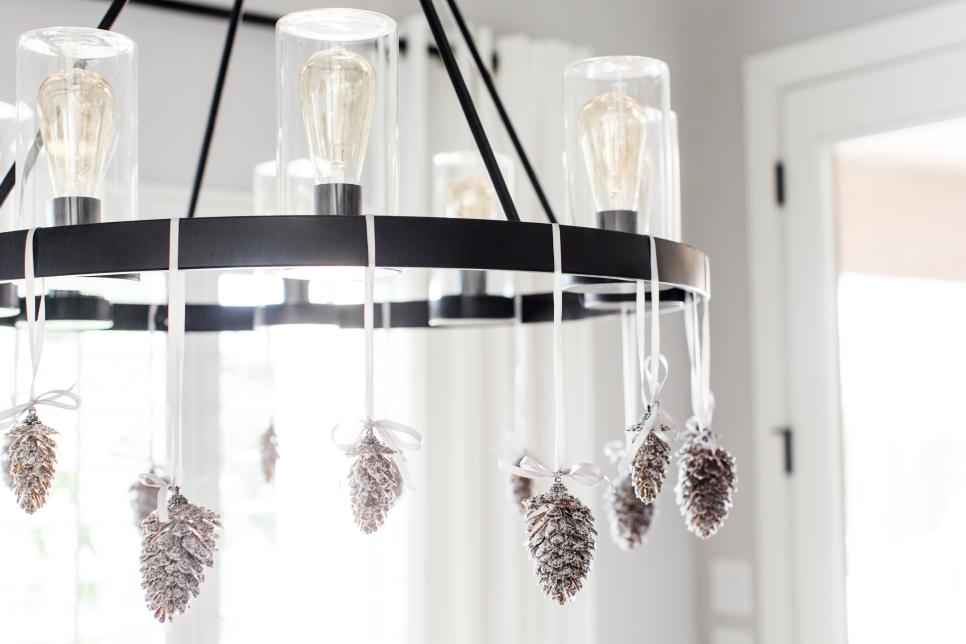
Bedazzle Backyard Finds

Decorative Holiday Chandelier

If glitter is more your style, try this pretty pinecone upgrade instead. Collect several pinecones, and clean them well under warm water. Roll each one in craft glue then glitter, and let them dry. Attach ribbon using hot glue or just tie them on and hang them from a chandelier or on your Christmas tree.

Make a Wood Slice Banner

Wood Slice Banner

If your decor leans more toward a rustic aesthetic, try this take instead. Cut your own wood slices to save some money. Customize them using permanent markers and transfer paper. Permanent markers and transfer paper make it easy to add a customized holiday greeting.

First, drill holes in wood slices by using a drill equipped with a 1/8” drill bit. Drill a hole at the top, center of each wood slice.

Next, transfer text and images to wood slices by printing them from a computer, sized to fit. Cut out each letter and image with scissors. Cut a piece of transfer paper to size as well. Note: One piece of transfer paper can be used for all wood slices. Place transfer paper directly on wood slice and top with printed letter or image (Images 1 and 2 below). Trace with a dull pencil or closed pen/pen cap. Repeat with other wood slices.


Color and Tie on Twine. Using fine-tipped permanent markers, color in traced lines. Tie each wood slice onto a piece of twine approximately 2-3” in length. Then, tie each wood slice onto a piece of twine 3-4’ in length to make a banner. 

Tip: These can be used as ornaments and gift tags as well.


Happy Holidays!  En-JOY!


7 Mistakes That Could Keep You From Selling Your Home This Winter

  • By
  • Posted

Selling a house during winter comes with its own unique challenges. Snow, for one, can bury your home's best features. Your normally lush landscaping may look drab and lifeless. And truth be told, all you want to do is cozy up at home rather than welcome buyers through your door.

Still, if you're game to sell during winter, it's essential that you put on your snow pants and put some effort into making your house shine. To help, here are some classic mistakes to avoid once the temperature drops, and why they can make such a difference. Just avoid making these all-too-common winter-selling fumbles in order to get top dollar.

log home in winter  house and snow covered yard trees

By Jamie Wiebe, Realtor.com

Mistake No. 1: Setting down the shovel

You cleared off enough of the driveway for your car, but potential buyers won't be entering through the garage like you do.

"Blazing a path through 3 feet of virgin snow makes a lousy first impression," says John Engel, a Realtor® with Halstead Properties, in New Canaan, CT.

Don't put away your snow shovel until you've cleared a path to your front door. Or save your poor back by hiring a snow removal company to keep your paths walkable.

"Not only does it make it more inviting for buyers, but it avoids potential safety and liability concerns," says Massachusetts Realtor John Ternullo. 

Mistake No. 2: Giving in to the winter blahs

Gray skies and barren trees make winter a particularly depressing time to sell. But you don't have to let your home look as doleful as the weather.

"Pops of color by the entryway, like a seasonal wreath and topiaries, can add some interest to the front entrance as well as make it more inviting," Ternullo says.

And don't wait until buyers schedule showings to add some life: Colorful curb appeal transforms your listing photos from drab to dramatic.

Mistake No. 3: Not scrubbing your windows

Colder temps have robbed your trees of their leaves, leaving your home to look a bit sadder in winter's wake. But that's not the only problem. Those full trees previously shielded your home from direct sunlight. And now that it's pouring in your windows, potential buyers will be able to see everything. 

Scuffs, fingerprints, and streaks are "never more apparent" than in the wintertime, Engel says, so you should make sure you're vigilant about keeping windows clean. Alone, that grime might not be enough to turn off a potential buyer, but it might make them wonder what other details you've missed.

Mistake No. 4: Displaying outdated summer photos

Your Tudor looks particularly glorious in the summer, but if your only listing photos were taken in April, buyers will immediately suspect a problem.

"Nothing says 'old, tired listing' more than the photo you took nine months ago," Engel says. Talk to your Realtor about taking new photos that make your home look festive and seasonal. Feel free to keep older photos in the listing—your buyers might want to know what the home looks like when the gardens are in full bloom—but updated photos will make your listing seem fresh.

Mistake No. 5: Turning down the heat

thermostat

"Frugality is great, but not when you're trying to sell real estate for top dollar," says Brian Davis, a real estate investor and co-founder of SparkRental.com.

Turn the heat up before you leave for showings, your utility bill be damned. Stick to 68 to 70 degrees Fahrenheit to keep everyone comfy.

"It will make the house feel homier and more welcoming," Davis says. "It also gives the impression that the house is energy-efficient and well-insulated."

Mistake No. 6: Denying access

It's New Year's Eve and a buyer wants to stop by. How dare they! Shouldn't they assume you have a fabulous party to prepare for?

Maybe. But if you want to sell your home in the off-season, the buyer has to come first. You'll need to work with your Realtor to devise a strategy for squeezing in showings, even in between all of winter's holiday events and family gatherings.

"While it may be inconvenient, it's crucial not to deny showings, as that could be a missed opportunity," Ternullo says. "There may be less buyers compared to spring, but winter buyers tend to be serious."

Mistake No. 7: Leaving out your draft stoppers

Your hand-knit draft stopper might look adorable snuggled against your door, but it "sends a clear message to buyers," Davis says. "This house is drafty and loses heat easily."

Not that you should lie. But every home has hidden problems, and it's best to let the buyers make their own assessments and discoveries during the inspection period. Don't leave out little things that could sway their decision.


Simple Pleasures: A Cozy Home in Cold Weather

  • By
  • Posted

Stock up on these treats and essentials to make even blustery days and snowed-in time feel special.

There is a certain squirrel-like pleasure in stocking up for cold weather — and potential power outages — from the regular essentials, like flashlights and warm socks, to the fun essentials, like bottles of wine and new board games. Knowing you have all you could possibly want tucked tidily away is a wonderful way to kick off a season of coziness.

By Laura Gaskill, Houzz Contributor

stone entryway wood rack  

Firewood

If you have a woodstove or fireplace, stocking up on good, dry wood is essential before winter really kicks in. 

Although wood does look inviting all stacked up, it’s probably best to store the bulk of it outdoors to prevent little critters from entering your home. A covered porch can be a good transitional space for keeping a wood pile, and a neat stack of wood is a cozy thing to look at as you enter the home on blustery days.

hallway barn coats and muck boot

Muck Boots and Barn Coats

Sure, we all have our nice boots and coats for going out, but it’s so handy to have a selection of sturdy muck boots and waxed coats to toss on when you need to take care of a quick outdoor chore. 

And there is something so charmingly British countryside about their being all lined up by the back door

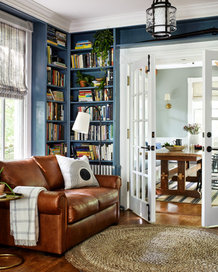
sofa french doors and bookshelves

Books

Piles of books provide an open invitation to toss out your plans and read all afternoon in the snug house instead. Here’s a tip for those of you, like me, who are attempting to pare down a book collection rather than accumulate more tomes: Visit your library or its website and check out a stack of fascinating books. I love being able to borrow big art and design books, literature, cookbooks and whatever else I am in the mood for. When you’re done, just return them and select another set.

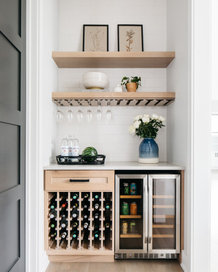
wine glasses, cooler and rack

Wine

If you enjoy a glass of wine with dinner, it feels good to know you have some of your favorite varieties in reserve when the snow is flying. 

Just looking at a nice collection of wine in the cupboard or on the wine rack is comforting — if unexpected guests drop in, or you’re stuck in a storm and can’t use the car, you can rest assured there will be a good bottle to share.

cozy kitchen

Cozy Things in the Kitchen

Tea. Hot cocoa. Casseroles and soups in the freezer. A pantry filled with delectable goodies. Whether you are coming in from shoveling snow or a day running errands, there is something about winter that increases the appetite, so be sure to keep your kitchen well stocked!

rolled up socks in drawer

Warm Socks

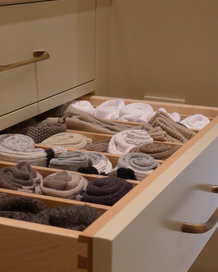
We all deserve warm new socks at the beginning of winter, don’t we? Plush, thick socks can stand in for slippers and make boots more comfortable, and they look far nicer in your drawer than regular ones. Try some in cashmere or washable wool.

game room puzzles board game

Board Games, Puzzles and Other Playthings

Snow days call for old-school amusements. That said, you don’t need to stick with Monopoly and cards — pick out a stack of new games and puzzles to add to the collection. If you play an instrument, treat yourself to some new music to practice on long winter evenings.


Macy's Thanksgiving Day Parade

  • By
  • Posted

The iconic holiday parade will be virtual this year. While Thanksgiving will look a lot different this year because of coronavirus, you can still look forward to watching a modified version of Macy’s Thanksgiving Day Parade with the whole family.


Earlier this month, Macy's announced that its iconic parade will be produced as a television-only experience this Turkey Day. So, for the first time ever, it'll shift from a live parade to a pre-recorded event. Macy's teamed up with City of New York to modify the parade. All the details haven't been released yet, but here's everything we know about the 94th annual Macy’s Thanksgiving Day Parade so far:

When is the Macy’s Thanksgiving Day Parade?

Macy’s Thanksgiving Day Parade airs on Thanksgiving Day in the United States. This year, the holiday falls on Thursday, November 26. The long-standing tradition started in 1924 when the infamous parade first debuted and it was later televised for the first time in 1946.

What time does the Macy’s Thanksgiving Day Parade start?

Macy’s Thanksgiving Day Parade will begin at 9 a.m. and end at 12 p.m. in all time zones. Typically, during the three-hour event, bands from across the country, Broadway performers, and musical guests make their way through the 2.5-mile route on Macy’s signature floats—starting at 77th Street and Central Park West before heading south to Herald Square at 34th Street. This year, however, the event will be held and taped around the Herald Square area. Viewers can still expect to see giant character balloons, floats, street performers, and Santa Claus, but the overall number of participants will be reduced by 75 percent. 

How can I watch and live stream the Macy’s Thanksgiving Day Parade?

The Macy's Thanksgiving parade will air nationwide on NBC-TV. Last year, the parade was also available to live stream. So if it follows tradition, you'll be able to stream it through the NBC app—available on iOS and Android.

Looking Back At Incredible Vintage Balloons From The Macy's Thanksgiving Day Parade

  • By
  • Posted

Waking up on Thanksgiving and watching the Macy’s Thanksgiving Day Parade is such a lovely tradition for American families.

In 1924, the parade was moved from New Jersey to New York City by Macy’s. Every year after that initial march down to the Herald Square flagship store in midtown Manhattan, the parade has grown and grown into such a fun celebration that marks the beginning of each holiday season.

Folks dress up in colorful costumes, and marching bands play happy songs. But the part of the parade that is most anticipated is the balloons that float above the street. 

Throughout the years there have been so many iconic characters to take balloon form, but the 17 below are some of the earliest and most memorable balloons.

Do you remember seeing any of these balloons float through the parade when they first appeared? What is your favorite character to look out for on Thanksgiving Day?

1. Felix The Cat, 1927

Felix was the first balloon ever in the parade.

2. Happy Dragon, 1927

The second ballon to float through the parade was pretty adorable, don’t you think?

3. Mickey Mouse, 1934

Walt Disney himself helped design the first Mickey balloon ever.

4. Eddie Cantor, 1934

This was the first balloon ever to be modeled after a real person.

5. Happy Hippo, 1940s

This sweet guy must have been a hoot to see floating through the air.

6. Uncle Sam, 1940s

You have to show some patriotism when you hold a parade in the heart of New York City!

7. Santa, 1940

Santa helped get everyone in the Christmas spirit.

8. Pilgrim, 1946

It is the Thanksgiving Day Parade, after all.

9. Macy's Elf, 1947

This happy guy surely brought tons of smiles to paradegoers.

10. Harold The Fireman, 1948

Harold became a recurring character in the parade in many forms, but this was his first ever appearance.

11. Harold The Baseball Player, 1949

Here he is again the next year as a baseball player.

12. Bullwinkle, 1961

Everyone’s favorite cartoon moose made an appearance.

13. Donald Duck, 1962

Who doesn’t love Donald Duck?

14. Underdog, 1965

\

Here comes the hero dog to save the day!

15. Superman, 1966

The Man of Steel himself even showed up!

16. Flying Ace Snoopy, 1968

This was the first of seven Snoopy balloons to grace the parade.

17. Kermit The Frog, 1977

The most lovable Muppet as a giant floating balloon? What’s not to like?

All images courtesy Macy’s, Inc.

61-80 of 297 Posts

Get in touch!

Do not fill in this field:

I agree to receive marketing and customer service calls and text messages from Melanson Real Estate. To opt out, you can reply 'stop' at any time or click the unsubscribe link in the emails. Consent is not a condition of purchase. Msg/data rates may apply. Msg frequency varies. Privacy Policy.

This site is protected by reCAPTCHA and the Google Privacy Policy and Terms of Service apply.