Blog :: 09-2021

Welcome to our blog! Here you will find information regarding market, local and Lakes Region information and events! Along with DIY projects and more! Come back often to see what's new and leave us a comment if there's something you'd like to see.

Vintage Boat Race Regatta in Wolfeboro 2021

  • By
  • Posted

Looking for something fun and different to do this weekend? This fun-filled two-day event takes place on beautiful, historic Wolfeboro Bay in Wolfeboro, New Hampshire.

The event is presented by the New Hampshire Boat Museum and is sanctioned by the Vintage and Historic Division of the American Power Boat Association (APBA). This biennial event is a favorite for visitors to watch and for drivers to show off their spectacular vintage race boats dating from the 1920s – 1980s.

Vintage Boat Race Regatta

When: Friday, September 17, 2021 & Saturday, September 18, 2021

Time: 8:30 am  - 5:00 pm

Where: Wolfeboro Town Docks, Wolfeboro Bay

For more information:
Telephone: 603-569-4554
Web: www.nhbm.org/regatta


4 Things People Say About Selling a Home Today That Just Aren't True

  • By
  • Posted

It’s no secret that today’s seller's market is wilder and more competitive than it’s been in years, fueling sellers’ hopes of major profits if they list their own home, too. All of which could be true—but only if you gauge your market carefully, and handle your sale with care.

Getty Images

By Erica Sweeney | Aug 19, 2021

You’ve heard the stories: Maybe your neighbors sold their fixer-upper as is for $100,000 over asking price. Or your friends were deluged with crazed homebuyers engaged in a bidding war within 24 hours of putting their house on the market.

“The biggest issue I’m having when I talk to sellers is, they’re seeing stuff in the papers or hearing from their neighbors, ‘Oh, this house just got this absolutely crazy price, or this guy flipped a property for a huge profit,’” says Liz Hogan, vice president of luxury sales at Compass in South Florida. “Those stories are circulating because they’re the anomalies. Nonetheless, a lot of that chatter has made sellers think that even their home—which may just be a regular home and not a super spectacular listing—is going to get some crazy price. That’s not necessarily going to happen.”

For one, this strong seller’s market has started to show signs of softening, with fewer buyers and lower prices. This means sellers may need to reset their expectations.

To help home sellers separate fact from fiction, here’s a look at four myths you’ve probably heard about selling a home today, and why they might not be true for you. Plus, we’ve got some tips to adjust your strategies for the realities of today’s market so you can up the odds that your home actually does become the next success story on the block.

1. ‘You don’t need to renovate—buyers will take anything’

In such a hyperactive market, sellers may get lazy and expect to get a high price for their homes without making any repairs or upgrades. But Jason Gelios, a real estate agent with Community Choice Reality in Southeastern Michigan, says this could set you up for failure.

“Home sellers looking to get top dollar should not sell a home as is, even in this seller’s market,” he says.

Despite the limited housing inventory, high-priced homes that need too much work are a turnoff, since many of today’s buyers expect homes to be mostly move-in ready.

“Buyers today still want to walk into a clean home, one that has nice paint on the wall, that doesn’t have chipped-up countertops or banged-up refrigerators and toilets that aren’t working,” Hogan says.

The truth of the matter is this: A fresh coat of paint, tidying up the landscaping, and a good scrub-down are inexpensive upgrades that bring a return on investment of thousands of dollars when you sell. And don’t neglect minor things like replacing lightbulbs and fixing broken doorknobs. They count.

2. ‘You can price your house sky high and get that amount’

It’s true that home prices have been going up. According to the National Association of Realtors®, the average home price was $363,300 in June (the latest month data is available), 23% higher than a year earlier. That’s quite a rise, but don’t let those dollar signs get to your head.

“The market is hot, which makes sellers think they can just ask for whatever price they want and get it,” says Ruthie Assouline, a real estate broker with Compass in New York City and Miami. “That’s a myth, because it’s all supply and demand.”

Homes need to be priced realistically in line with what the market is asking, the type of home it is, and its condition.

“Just throwing something online and asking for a ridiculous price—you probably have to have the crème de la crème to be able to pull that off,” Assouline says.

Pricing too high also means the home could sit on the market for a while. Plus, Hogan says she’s starting to see buyers push back on the high prices by delaying their home search or not making offers, forcing some sellers to reduce their asking price.

3. ‘Sellers don’t need to market their listing much—it will sell’

Recently, Hogan says a client was interested in a multimillion-dollar home in Miami, but the listing featured only one smartphone photo of the exterior. She called the listing agent to ask if more images would be added; the agent said the owner said they didn’t need more photos since they were certain the home would sell fast.

“I’m like, for a $10 million home, you can’t spend $500 to take professional photos?” she says. “It’s crazy.”

This is a common sentiment these days. Some sellers think putting a lot of effort into online marketing is pointless, since the home is bound to sell quickly regardless of what they do. But consider this: Most homebuyers start their search online—so if your listing falls short, you just won’t get much attention.

Plus, Hogan says sellers aren’t always selling to local buyers who can drive by or are familiar with the area.

“Homes hitting the market without professional pictures, additional pertinent information, and other appealing amenities that could sway a buyer to choose their property is a huge error,” Gelios says.

Photos, videos, floor plans, 3D tours, and other details help homebuyers decide if a home is right for them and if they want to see it in person.

4. ‘In a bidding war, it’s a no-brainer to just pick the highest offer’

Bidding war are common these days, with sellers receiving multiple offers with some over the asking price. Accepting the highest offer may be tempting, but it’s not always the best move.

“It’s terms versus price,” Hogan says. “A smart seller may take a little bit lower price to get much better terms.”

A lower offer that’s all cash, for instance, may be more attractive, since it eliminates the financing hurdle and could mean a quick closing. Or you may need extra time to stay in the home until you find somewhere to move.

Sellers should examine all factors of every offer, including a buyer’s finances, and not focus solely on price, Gelios says.

“Many home sellers have other motivators that could sway them toward choosing an offer,” he explains. “These could include longer occupancy, more flexible closing terms, or other outside-of-the-box offerings, like a credit toward the seller’s moving costs.”


Erica Sweeney is a writer whose work has appeared in the New York Times, Parade, HuffPost, Business Insider, Money, and other publications.

Is Your Home (and Home Insurance) Ready for Extreme Weather?

  • By
  • Posted

Hurricanes. Heat waves. Earthquakes. Tornadoes. Today’s headlines are awash in extreme weather, and whether you blame climate change or just plain bad luck, the simple truth is that the damage from these disasters is impossible to ignore.

Getty Images

By Margaret Heidenry

More trouble may be brewing, as our country’s six-month hurricane season peaks in September, followed by winter’s plummeting temperatures leading to blizzards, hail, and other dangers. Even Southern areas are no longer immune, as was made clear in February 2021 when Winter Storm Uri overwhelmed Texas power grids and inflicted losses estimated at $10 billion to $20 billion. Then, the wrath of Hurricane Ida's fury last month.

While no climate expert or weather forecast can divine exactly what will unfold in the coming months, one thing all Americans can do to protect themselves and their home is have a solid homeowners insurance policy. But how prepared are we on this front?

To find out, Realtor.com® teamed up with HarrisX to conduct a poll of 3,026 adults on their extreme weather concerns and homeowners insurance know-how—and the results suggest that many Americans may be more vulnerable than we think.

Here are some of the key highlights:

  • The natural disasters homeowners are most worried about are tornadoes (39%), severe winter storms and cold weather (38%), floods (35%), and hurricanes (29%). To a lesser degree, they’re also concerned with earthquakes (21%), wildfires (17%), and droughts (11%).

  • All that said, only 52% of American homeowners took natural disasters into account when choosing the location of their current home.

  • Just over half (56%) of homeowners knew what to look for in their homeowners insurance policy when buying their home, with 15% admitting they had no clue what to check. Meanwhile, almost one-third (29%) said they thought they knew what to look for, but learned a lot they didn’t know while buying insurance.

  • The youngest generation is the least likely to understand homeowners insurance: only 39% of Gen Z said they knew what to look for in their policy when buying a home, compared with 58% of Millennials, 58% of Gen X, and 57% of baby boomers.

In short, these survey results suggest that while many Americans might assume their home insurance will foot the bill for any extreme weather–related damages that come their way, they could be in for a rude awakening if disaster strikes.

To help clear up some common misconceptions about homeowners insurance, here’s a rundown of some extreme weather occurrences and what most home insurance policies will cover—and won’t cover—so homeowners are truly prepared for whatever happens.

Does home insurance cover floods?

Flooding is the most common natural disaster in the United States, according to CoreLogic. And if you think you don’t need flood insurance, keep in mind that more than 20% of insurance claims happen in non-flood zones.

Yet currently, only 12% of Americans have flood insurance. And while you might assume your standard home insurance policy covers floods, the reality is that it doesn’t. Instead, you’ll have to obtain separate flood coverage.

“Flood insurance must be purchased separately through the National Flood Insurance Program, or through a private flood insurer,” says Ted Olsen, managing director at New York’s Goosehead Insurance. (The program defines flooding as “an excess of water on land that is normally dry, affecting two or more acres of land or two or more properties.”)

Since flooding is not typically covered, it’s essential to know a home’s flood risk to weigh whether purchasing additional insurance is merited.

Coverage will also hinge on you doing your own due diligence to keep your house from flooding—namely by maintaining proper grading, where the ground around your house slopes downward and away from your foundation to keep water seeping outward rather than in.

“A flood insurance policy won’t cover you if your home floods due to improper grading around the home,” adds Olsen.

You can hire a landscaper to regrade your land, which usually costs between $969 and $3,000, according to HomeAdvisor. It’s a small price to pay to keep your house high and dry.

Does home insurance cover wind damage and tornadoes?

If a tornado, hurricane, or windstorm tears through your area, any wind-related damage to your home (e.g., ripped off shingles and siding) is typically covered under a standard insurance policy. But there are exceptions.

“In tornado-prone areas, there is often a separate higher deductible for wind damage,” says Olsen. And if you live in “tornado alley” (which includes parts of Texas, Oklahoma, Iowa, Kansas, and Nebraska) or another area that consistently experiences frequent tornadoes, you may need additional coverage for high wind damage. Some insurers even require an additional windstorm rider and separate deductible if you live near coastal areas that are vulnerable to tropical storms.

The goal of your homeowners insurance policy and additional coverage is to make sure you’re covered not only for minor damage, but also in case your home is completely destroyed and needs to be rebuilt. This is known as “actual total loss” or “total loss.”

Total loss coverage varies from area to area as well as from home to home, but it basically boils down to an estimate of how much it would cost to rebuild your home.

That could cost more than you paid for your house, or less—it all depends on the construction costs in your area. Be sure to check your policy to see what’s covered. Total loss coverage is pricier, but if you don’t have it, you’ll be on the hook for all the building costs not covered by your policy.

Does home insurance cover hurricanes?

Hurricanes inflict damage in one of two ways: wind and water. Damage from wind is typically covered in standard policies, although your insurer may put in place a separate higher deductible for hurricane-related wind damage.

Meanwhile, flooding caused by hurricanes is typically not covered by a standard homeowners insurance policy (as noted above), so if your property is at risk for flooding, you’ll have to purchase additional flood insurance.

Does home insurance cover wildfires?

In 2020, a large chunk of the damage coming from weather was due to a record-breaking U.S. wildfire season that burned more than 10.2 million acres. And this year is already looking worse. Twelve of the most destructive wildfires in California history took place in September and October, according to the California Department of Forestry & Fire Protection.

The good news to all this bad?

“All home insurance policies include fire as a covered peril,” says Alan Umaly, president of California’s Westwood Insurance Agency. “This means your home and belongings that are damaged in a wildfire will be covered.”

However, if you live in an area with a particularly high risk for wildfires, be warned that the increase of wildfires has prompted some insurance companies to forgo renewing even loyal policyholders because of the risk. Even if your insurer does offer wildfire coverage, it may not cover the total cost of rebuilding a home. Instead, it may cover just the loss of your personal property, some of the costs of rebuilding a home, and living expenses while your home is being repaired.

Read your insurance policy closely, and see if you need to secure additional coverage with wildfire-specific insurance policies.

Does home insurance cover damage from cold weather and snow?

Most home policies include coverage for a frozen pipe that breaks due to a snowstorm, as long as you maintain proper temperatures in the home. In other words, if you leave for a monthlong winter vacation and turn off your heat, a pipe that freezes and bursts as a result of this negligence is on you to fix.

And if ice or snow causes a tree to fall on your home, most insurance companies will pay to have the tree moved from the house and for home repair, says Josh Thorner, agency manager with Country Financial in Portland, OR.

This falls under a “covered peril,” which is standard in most home insurance policies, and typically includes fire, lightning, wind, and ice.

Does home insurance cover damage from hail?

Yes, but “in areas where hail damage is prevalent, you will typically see some larger deductibles,” says Olsen.

So keep an eye out for home policies that are less expensive, but only because the wind and hail deductible is high—and consider purchasing higher-priced insurance with a lower deductible for hail if it’s common in your area.

Also note that a home’s roof, in particular, is the most susceptible to hail damage, and frequent roof replacements in hail-prone areas are what causes higher premiums.

Does home insurance cover earthquakes?

Standard home insurance policies not only don’t include coverage for earthquakes, they also specifically exclude them from coverage.

“The only way to protect against this natural disaster is to secure a specialty earthquake insurance policy,” says Umaly.

If you live in California, your insurance company is required under law to sell you earthquake insurance. But even if you have earthquake coverage, there are limits on what it pays out.

Most earthquake insurance covers only some of the losses and damage that earthquakes might cause to your home and belongings. For instance, if you would want to rebuild a damaged home to current earthquake building codes, you’d have to upgrade your earthquake coverage with an additional optional rider.


Margaret Heidenry is a writer living in Brooklyn, NY. Her work has appeared in the New York Times Magazine, Vanity Fair, and Boston Magazine.

Fun Fall Activities to Do With Friends, Kids, or Solo! We've got you covered all season long!

  • By
  • Posted

Looking for fall things to do while the weather's crisp and the foliage is at its peak? Consider this checklist of fall activities the ultimate way to make the most of autumn.

CREDIT: GETTY IMAGES

By Maggie Seaver | Updated September 07, 2021

From enjoying Mother Nature's simple pleasures (hello, leaf-peeping and bird watching) to planning the perfect fall trip with friends (winery tour, anyone?), here are our favorite fall activities for kids, families, and couples, plus tons of things to do with friends or on your own this fall.

Outdoor Fall Activities 

Checklist
  •  


  •  


Fall Activities for Kids and Toddlers 

Checklist


  •  


Fall Activities to Do With Friends 

Checklist


  •  


Indoor Fall Activities 

Checklist


Fall Activities for Couples 

Checklist


Nostalgic Fall Activities 

Checklist


6 Ways Home Buyers Mess Up Getting a Mortgage

  • By
  • Posted

If you’re out to buy a home, you have to be vigilant. To clue you into the pitfalls, here are six of the most common ways people mess up getting a mortgage.

(FabioBalbi/iStock)

By Daniel Bortz - Realtor.com Magazine

Waiting until you can make a 20% down payment

A 20% down payment is the golden number when applying for a conventional home loan, since it enables you to avoid paying private mortgage insurance (PMI), an extra monthly fee of 0.3% to 1.15% of your total loan amount. But with mortgage rates where they are today—in a word, low—waiting for that magic 20% could be a huge mistake, since the more time passes, the higher mortgage rates and home prices may go!

All of which means it may be worth discussing your home-buying prospects with lenders right now. To get a ballpark figure of what you can afford and how your down payment affects your finances, punch your salary and other numbers into a home affordability calculator.

Meeting with only one mortgage lender

According to the Consumer Financial Protection Bureau, about half of U.S. home buyers only meet with one mortgage lender before signing up for a home loan. But these borrowers could be missing out in a big way. Why? Because lenders’ offers and interest rates vary, and even nabbing a slightly lower interest rate can save you big bucks over the long haul.

In fact, a borrower taking out a 30-year fixed rate conventional loan can get rates that vary by more than half a percent, the CFPB has found. So, getting an interest rate of 4.0% instead of 4.5% on a $200,000, 30-year fixed mortgage translates into savings of approximately $60 per month, or $3,500 over the first five years.

So to make sure you’re getting the best deal possible, meet with at least three mortgage lenders. You’ll want to start your search early (ideally, at least 60 days before you start seriously looking at homes). When you meet with each lender, get what’s called a good-faith estimate, which breaks down the terms of the mortgage, including the interest rate and fees, so that you can make an apples-to-apples comparison between offers.

Getting pre-qualified rather than pre-approved

Mortgage pre-qualification and mortgage pre-approval may sound alike, but they’re completely different. Pre-qualification entails a basic overview of a borrower’s ability to get a loan. You provide a mortgage lender with information—about your income, assets, debts, and credit—but you don’t need to produce any paperwork to back it up. In return, you’ll get a rough estimate of what size loan you can afford, but it’s by no means a guarantee that you’ll actually get approved for the loan when you go to buy a home.

Mortgage pre-approval, meanwhile, is an in-depth process that involves a lender running a credit check and verifying your income and assets. Then an underwriter does a preliminary review of your financial portfolio and, if all goes well, issues a letter of pre-approval—a written commitment for financing up to a certain loan amount.

Bottom line? If you’re serious about buying a house, you need to be pre-approved, since many sellers will accept offers only from pre-approved buyers, says Ray Rodriguez, New York City regional mortgage sales manager at TD Bank. Here’s how to start the process of mortgage pre-approval.

Moving money around

To get pre-approved, you have to show you have enough cash in reserves to afford the down payment. (Presenting your mortgage lender with bank statements is the easiest way to do this.) Nonetheless, your loan still needs to go through underwriting while you’re under contract for your loan to be approved. Because the underwriter will check to see that your finances have remained the same, the last thing you want to do is move money around while you’re in the process of buying a house. Shifting large amounts of money out or even into your accounts is a huge red flag, says Casey Fleming, mortgage adviser and author of “The Loan Guide: How to Get the Best Possible Mortgage.”

So if you’re in contract for a home, your money should stay put.

Applying for new lines of credit

If you apply for a new credit card or request a credit limit increase a few months before closing, watch out: Credit inquiries ding your credit score by up to five points. So, don’t let the credit inquiries add up.

“Worse than the actual hit on your credit score is any pattern of trying to borrow more money all at once,” says Glenn Phillips, CEO of Lake Homes Realty. Translation: Applying for multiple lines of credit while you’re buying a house can make your mortgage lender think that you’re desperate for money—a signal that could change your mortgage terms or even get you denied altogether, even if you’ve got a closing date on the books.

Changing jobs

Mortgage lenders like to see at least two years of consistent income history when pre-approving a loan. Consequently, changing jobs while you’re under contract on a property can create a big issue in the eyes of an underwriter.

Your best bet? Try to wait until after you’ve closed on your house to change jobs. If you’re forced to switch before closing, you should alert your loan officer immediately. Depending on the lender, you may simply need to provide a written verification of employment from your new employer that states your job status and income, says Shashank Shekhar, the founder and CEO of Arcus Lending in San Jose, CA.


Daniel Bortz has written for the New York Times, Washington Post, Money magazine, Consumer Reports, Entrepreneur magazine, and more. He is also a Realtor in Virginia.


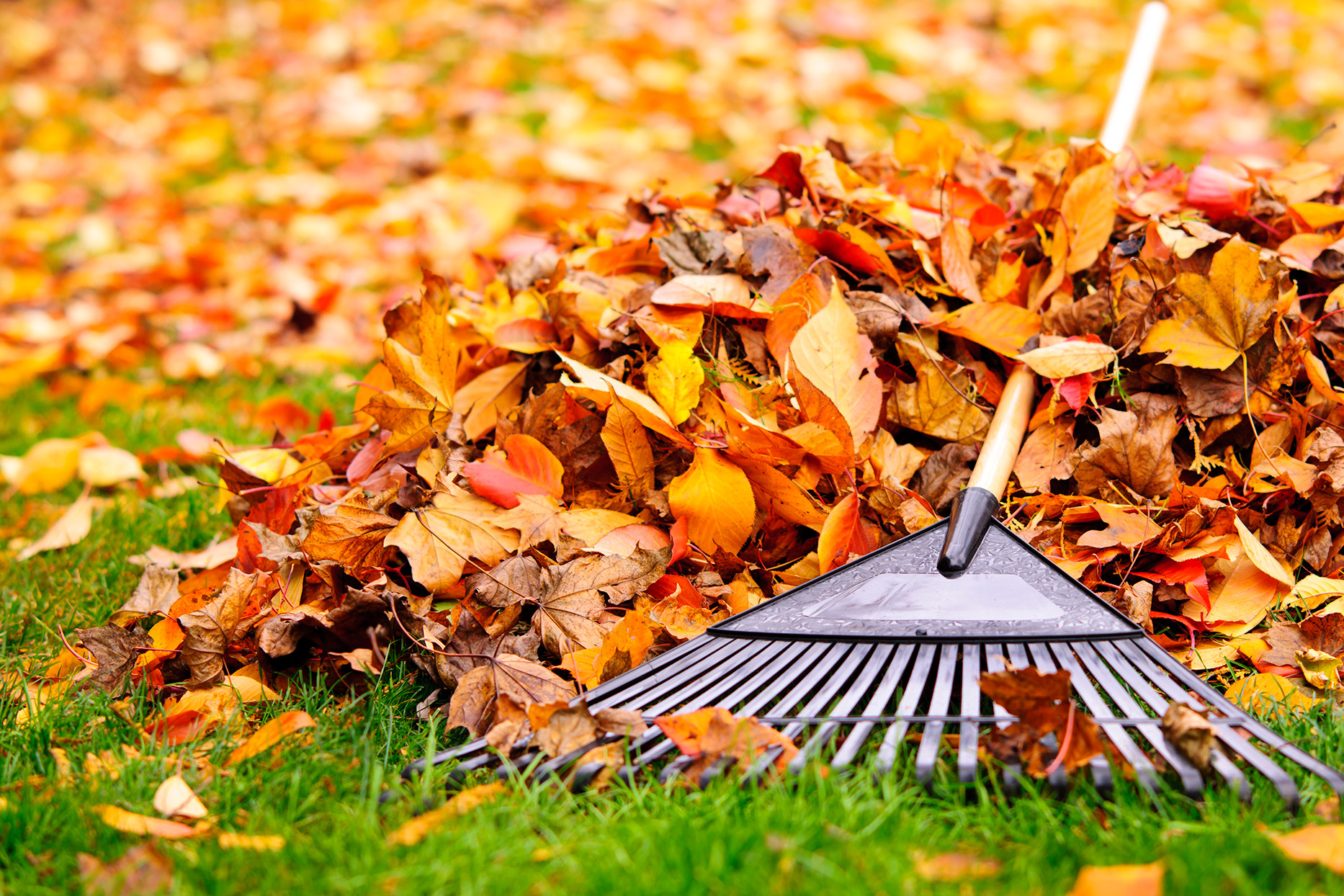
Follow This Fall Garden Checklist to Get Your Yard Ready for Winter

  • By
  • Posted

Changing leaves signal that the growing season is winding down. Here's what you should do to prep every area of your landscape for the colder months.

CREDIT: ELENATHEWISE/GETTY IMAGES


By Megan Hughes | Updated July 29, 2021

As temperatures begin cooling off and daylight hours dwindle, it's time to finish the gardening season strong by preparing all your plants for winter. Essential autumn chores on your to-do list should include giving permanent plantings such as trees, shrubs, and perennials a little TLC, cleaning up your veggie garden, and winterizing your lawn. A little work now means you'll have more time in spring for planting vegetables and colorful blooms rather than being bogged down with clean-up tasks and tracking down garden tools. Check off a couple of tasks a day and you’ll be ready for winter in short order; then you can spend your time browsing seed catalogs while you dream up next year's garden plans.

Getting Your Lawn Ready for Winter

As the weather cools off, autumn lawn care is a combination of clean-up and encouraging new growth. It's also a good time to help your grass recover from being trampled during your backyard games of catch or maybe bocce ball this summer. Pave the way for lush, healthy grass next spring with these timely chores.

Checklist
  • Fall Lawn Care Checklist


CREDIT: JACOB FOX

Prep the Perennial Garden

Perennials are garden workhorses. After a long growing season, they're ready for a winter rest. Stop deadheading in early fall and leave the above-ground parts standing even after frost kills them (unless pests and diseases are an issue). They'll provide both food and shelter for wildlife. Songbirds will enjoy the seed buffet and many pollinators like native bees overwinter in standing stems and brush. Complete the following tasks in your perennial garden in fall:

Checklist
  • Fall Perennial Garden Checklist

CREDIT: KARLA CONRAD

Refresh Your Vegetable Garden for Next Year

Whether you have an elaborate kitchen garden or a small patch for raising edible plants, things will start to slow down in fall as you harvest the last of your tasty bounty. Once a few frosts finally bring the growing season to an end, check off these vegetable garden chores to get ready for next season’s harvest.

Checklist
  • Fall Vegetable Garden Checklist

CREDIT: JAY WILDE

Care for Trees and Shrubs

Did you know fall is an excellent time for planting trees and shrubs? This is when you should start that new hedge or establish a new shade tree in your yard because the soil is still warm enough for roots to grow a little before winter sets in. Plus, a little fall care for your established trees and shrubs will help them weather the colder months better.

Checklist
  • Fall Tree and Shrub Care Checklist

CREDIT: PETER KRUMHARDT

Organize Your Tools and Gardening Gear

As the growing season winds down, don't forget to prep your garden tools for winter. Cleaned and refreshed, your favorite garden helpers will be ready when you are, come spring.

Checklist
  • Fall Garden Tool Care Checklist

CREDIT: MARTY BALDWIN

Clean Up Annuals and Containers

Colorful annuals are often the first plants to succumb to frosty fall weather. Once a hard frost does them in, you'll want to tidy up planting beds and pots to be ready to fill again next spring.

Checklist
  • Fall Annuals and Container Garden Checklist


orticulturist and writer — Better Homes and Gardens

Get in touch!

Do not fill in this field:

I agree to receive marketing and customer service calls and text messages from Melanson Real Estate. To opt out, you can reply 'stop' at any time or click the unsubscribe link in the emails. Consent is not a condition of purchase. Msg/data rates may apply. Msg frequency varies. Privacy Policy.

This site is protected by reCAPTCHA and the Google Privacy Policy and Terms of Service apply.